
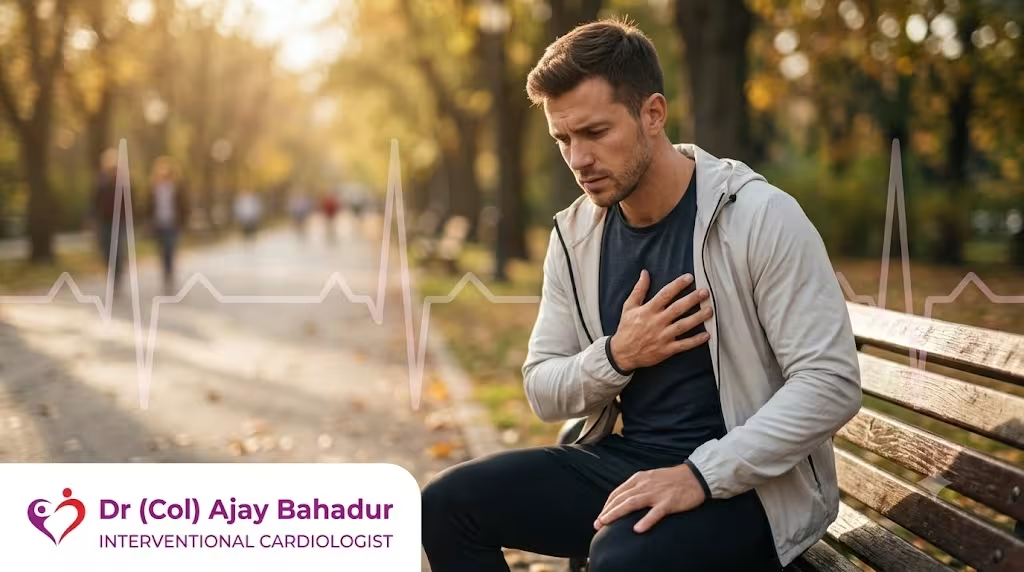
Cardiac arrest in young adults typically results from electrical disturbances in the heart, often triggered by undiagnosed conditions like hypertrophic cardiomyopathy, arrhythmias, or myocarditis. Furthermore, lifestyle factors such as substance abuse, extreme physical exertion, or undiagnosed coronary artery disease can contribute. Early recognition of symptoms, prompt CPR, and immediate medical intervention are essential for survival.
Why Is Cardiac Arrest Increasing Among Young Adults?
Is Cardiac Arrest Really Becoming More Common?
In recent years, the medical community has observed a worrying trend regarding cardiovascular health in people under 40. While we once viewed heart issues as a problem for the elderly, recent data shows a significant rise in sudden cardiac events among younger populations. Consequently, many healthy-looking individuals are now being diagnosed with underlying heart conditions that were previously overlooked.
According to Dr Ajay Bahadur, the Best Cardiologist in Lucknow, this shift is partly due to changes in lifestyle and environmental stressors. However, improved diagnostic tools also play a role in identifying these cases more frequently than in past decades. Understanding the data helps us realize that no age group is entirely immune to heart-related emergencies.
Why Awareness Matters More Than Ever
Increased awareness serves as the primary defense against the growing epidemic of sudden cardiac death. Because young adults often ignore minor symptoms, they may miss critical warning signs that precede a major event. Therefore, educating the public about risk factors and emergency responses can lead to significantly better outcomes.
Furthermore, awareness helps destigmatize heart disease in youth, encouraging proactive screenings. When communities understand that fitness does not always equal heart health, they become more vigilant. This vigilance allows experts like Dr Ajay Bahadur to intervene before a life-threatening situation occurs.
What Is Cardiac Arrest?
How Does the Heart Suddenly Stop Beating?
Cardiac arrest is essentially an electrical malfunction in the heart that disrupts its pumping action. When the electrical system fails, the heart begins to beat irregularly or stops altogether. Consequently, blood flow to the brain and other vital organs ceases instantly, leading to a loss of consciousness.
Unlike other conditions, this event happens with little to no warning. Because the heart is no longer circulating oxygenated blood, the body enters a state of crisis within seconds. Without immediate intervention, the lack of blood flow leads to permanent organ damage or death.
Why Is It a Medical Emergency?
Every second counts when the heart stops, making cardiac arrest one of the most time-sensitive medical emergencies. If the heart is not restarted within minutes, the brain begins to suffer from a lack of oxygen. Therefore, the survival rate drops by nearly 10% for every minute that passes without defibrillation or chest compressions.
Emergency medical services must be contacted immediately to provide advanced life support. However, the actions of bystanders often determine whether a patient survives until the ambulance arrives. Immediate high-quality CPR and the use of an AED are the only ways to bridge the gap between collapse and professional treatment.
How Is Cardiac Arrest Different From a Heart Attack?
What Happens During a Heart Attack?
A heart attack is primarily a “plumbing” problem where a blockage prevents blood from reaching a section of the heart muscle. If the blocked artery is not reopened quickly, that part of the heart begins to die. While a heart attack is serious, the heart usually continues to beat during the event.
Patients experiencing a heart attack often remain conscious and can describe their symptoms. Common signs include pressure in the chest, nausea, and pain radiating to the arm or jaw. Although a heart attack can eventually trigger a cardiac arrest, they are distinct medical phenomena.
What Happens During Cardiac Arrest?
In contrast, cardiac arrest is an “electrical” problem that causes the heart to stop pumping entirely. The person will collapse, lose their pulse, and stop breathing normally. Because it is a sudden loss of function, there is usually no time for the patient to call for help themselves.
While a heart attack involves a blockage, cardiac arrest involves a rhythm disturbance. This distinction is vital for both medical professionals and the general public to understand. Recognizing the difference ensures that the correct emergency protocols are followed during a crisis.
Can a Heart Attack Lead to Cardiac Arrest?
Yes, a heart attack is actually a leading cause of sudden cardiac arrest in adults. When the heart muscle is damaged by a lack of oxygen, it can become electrically unstable. Consequently, this instability triggers a lethal arrhythmia that stops the heart’s mechanical function.
Heart Attack vs. Cardiac Arrest
| Feature | Heart Attack (Plumbing) | Cardiac Arrest (Electrical) |
| Primary Cause | Blocked artery stopping blood flow | Electrical malfunction stopping the beat |
| Consciousness | Patient is usually conscious | Patient is unconscious |
| Pulse | Pulse is present but may be weak | No pulse detectable |
| Symptoms | Chest pain, sweating, nausea | Sudden collapse, no breathing |
| Emergency Action | Call for help, keep patient calm | Call for help, start CPR, use AED |
What Causes Cardiac Arrest in Young Adults?
Abnormal Heart Rhythms (Arrhythmias)
Arrhythmias occur when the electrical impulses that coordinate heartbeats do not work properly. In young adults, conditions like Long QT Syndrome or Brugada Syndrome are common culprits. These genetic conditions cause the heart to race or quiver uncontrollably, leading to a sudden stop.
Moreover, these rhythm disturbances can stay hidden for years without causing any daily discomfort. Often, the first sign of an underlying arrhythmia is the cardiac arrest itself. Regular screenings are essential for detecting these silent electrical abnormalities.
Hypertrophic Cardiomyopathy
Hypertrophic Cardiomyopathy (HCM) is a condition where the heart muscle becomes abnormally thick. This thickening makes it harder for the heart to pump blood and can disrupt the electrical system. It is famously known as the leading cause of sudden death in young athletes during high-intensity sports.
Because the heart has to work harder, the thickened muscle may eventually trigger a lethal heart rhythm. Many young people with HCM remain undiagnosed because they appear physically fit and highly active. Diagnostic imaging is the only definitive way to identify this structural change.
Congenital Heart Disease
Some young adults are born with structural heart defects that go undetected during childhood. These congenital issues might involve abnormal heart valves or holes in the heart walls. Over time, these defects put excessive strain on the heart, eventually leading to sudden failure.
As the individual grows and becomes more active, the heart may no longer be able to compensate for the defect. Consequently, an electrical short circuit occurs, resulting in a sudden collapse. Early pediatric screenings can often catch these issues, but some remain hidden until adulthood.
Myocarditis
Myocarditis is an inflammation of the heart muscle, usually caused by a viral infection. When the heart muscle is inflamed, it cannot pump effectively and becomes prone to arrhythmias. Even a common flu or respiratory virus can occasionally lead to this dangerous complication.
In some cases, the inflammation is mild and resolves on its own. However, in others, it creates permanent scarring that interferes with electrical signals. Young adults should never ignore persistent chest pain or breathlessness following a viral illness.
Coronary Artery Disease
While typically associated with older age, coronary artery disease is increasingly found in younger populations. High-fat diets, sedentary behavior, and smoking lead to premature plaque buildup in the arteries. If a piece of plaque ruptures, it can cause a sudden blockage and subsequent cardiac arrest.
Preventive care and a healthy lifestyle are the primary tools to combat early-onset arterial disease. By managing cholesterol and blood pressure early, young adults can significantly lower their long-term risks. Expert guidance from a Heart Specialist in Lucknow can help manage these risks effectively.
Drug and Substance Abuse
The use of recreational drugs, particularly stimulants like cocaine or methamphetamines, poses a massive risk to heart health. These substances cause an intense surge in blood pressure and heart rate. This extreme stress can trigger a fatal arrhythmia even in an otherwise healthy heart.
Additionally, the abuse of performance-enhancing drugs in fitness circles can thicken the heart muscle. These substances alter the heart’s natural chemistry, making it highly susceptible to electrical failure. Avoiding these substances is a critical component of heart disease prevention.
Electrolyte Imbalances
The heart relies on minerals like potassium, magnesium, and sodium to maintain its electrical rhythm. If these levels become severely imbalanced due to dehydration, eating disorders, or kidney issues, the heart may stop. Electrolytes act as the “fuel” for the heart’s electrical signals.
Young adults who engage in extreme dieting or intense exercise without proper hydration are at risk. Maintaining a balanced internal environment is essential for steady cardiac function. Simple blood tests can often reveal if these levels are within a safe range.
Extreme Physical Exertion
While exercise is generally beneficial, extreme physical exertion can act as a trigger for those with underlying conditions. During high-intensity sports, the heart is pushed to its absolute limit. If there is a hidden structural or electrical flaw, the heart may fail under the pressure.
This is why pre-participation sports screenings are so highly recommended by cardiologists. Knowing your limits and understanding your heart’s health can prevent a tragedy on the field. Most cases of exercise-induced arrest are preventable through proper medical clearance.
What Are the Early Warning Signs Before Cardiac Arrest?
Chest Pain or Discomfort
Chest pain is not always a crushing sensation; it can feel like pressure, squeezing, or fullness. In young adults, this symptom is often dismissed as acid reflux or muscle strain. However, persistent or recurring chest discomfort during activity should never be ignored.
If the pain radiates to the back, neck, or jaw, the situation is even more concerning. This discomfort indicates that the heart muscle is not receiving enough oxygen. Seeking a medical evaluation immediately can prevent a minor issue from becoming a fatal one.
Shortness of Breath
Feeling winded after minimal exertion is a classic warning sign of heart trouble. If you find yourself struggling for air during activities that were previously easy, your heart may be struggling. This symptom suggests that the heart is failing to pump blood efficiently to the lungs.
Moreover, shortness of breath while lying down can indicate fluid buildup related to heart weakness. This is a subtle but significant sign that requires a professional diagnosis. Early detection of heart failure symptoms can save lives through timely medication.
Palpitations
Palpitations are sensations of a racing, fluttering, or skipping heartbeat. While often caused by caffeine or stress, frequent palpitations can signal an underlying arrhythmia. If these sensations are accompanied by lightheadedness, they are particularly dangerous.
A Heart Doctor can use monitoring devices to track these irregular beats. Understanding the nature of the palpitation is the first step in determining the risk of cardiac arrest. Most benign palpitations are harmless, but some require urgent treatment.
Unexplained Fainting (Syncope)
Fainting is perhaps the most critical warning sign in young adults. If a person loses consciousness without an obvious reason, such as heat exhaustion, it could be a heart issue. Fainting during exercise is a major red flag that requires immediate cardiac investigation.
Syncope occurs when the brain briefly loses its blood supply due to a drop in heart output. Many victims of sudden cardiac death had a prior fainting episode that went ignored. Never treat a sudden collapse as a minor event.
Severe Dizziness
Frequent bouts of dizziness or “near-fainting” sensations suggest that the heart’s rhythm is unstable. When the heart beats too fast or too slow, it cannot maintain steady blood pressure. Consequently, the brain experiences a temporary lack of oxygen, causing lightheadedness.
If dizziness occurs alongside chest pain or palpitations, it is a medical emergency. Young adults should track how often these episodes occur and what triggers them. Providing this information to a cardiologist helps in making an accurate diagnosis.
Extreme Fatigue
We often attribute fatigue to a busy lifestyle or lack of sleep. However, profound exhaustion that does not improve with rest can be a sign of heart strain. If the heart is weak, the body has to work much harder to perform basic tasks.
This type of fatigue often feels heavy and prevents the individual from completing daily routines. If your energy levels have dropped significantly without a clear cause, a heart check-up is warranted. Fatigue is the body’s way of signaling that something is wrong internally.
Sudden Collapse
The most definitive sign of cardiac arrest is a sudden, total collapse. The person will not respond to shouting or shaking and will stop breathing. At this point, the heart has already stopped, and emergency life-saving measures must begin.
Because there is no time to wait, bystanders must act immediately by calling emergency services and starting CPR. This collapse is the final result of the heart’s electrical system failing. Immediate intervention is the only way to reverse this state.
Who Is at Higher Risk of Cardiac Arrest?
Family History of Heart Disease
Genetics play a massive role in determining heart health, especially in younger populations. If a close relative suffered a sudden cardiac death before age 50, your risk is significantly higher. Many electrical and structural heart conditions are passed down through generations.
Knowing your family medical history is one of the most important things you can do. Share this information with your doctor so they can order specific genetic tests or screenings. Early intervention can prevent the same fate from affecting other family members.
High Blood Pressure
Often called the “silent killer,” high blood pressure puts constant stress on the heart and arteries. Over time, this pressure causes the heart muscle to thicken and the arteries to harden. Consequently, a heart under high pressure is more likely to experience an electrical failure.
Many young adults do not realize they have hypertension because it often has no symptoms. Regular blood pressure checks are simple, non-invasive, and life-saving. Managing salt intake and stress can help keep these numbers in a healthy range.
Diabetes
Diabetes significantly increases the risk of developing cardiovascular disease at a young age. High blood sugar levels damage the blood vessels and the nerves that control the heart. This damage can lead to “silent” heart issues that do not present typical symptoms.
Furthermore, people with diabetes are more likely to have high cholesterol and high blood pressure. This combination creates a perfect storm for cardiac complications. Proper glucose management is essential for long-term heart health.
Smoking and Tobacco
Tobacco use is one of the most significant avoidable risk factors for heart disease. Smoking damages the lining of the arteries and promotes the formation of blood clots. In young adults, smoking can cause sudden spasms in the coronary arteries, leading to arrest.
Even vaping and smokeless tobacco pose risks to the cardiovascular system. The nicotine in these products increases the heart rate and blood pressure instantly. Quitting tobacco is the single best thing a young person can do for their heart.
Obesity
Carrying excess body weight forces the heart to work harder to circulate blood. Obesity is also linked to other risk factors like sleep apnea, which can strain the heart. Over time, the structural changes caused by obesity make the heart more susceptible to failure.
Adopting a healthy diet and increasing physical activity can reverse many of these risks. Even a modest weight loss can significantly improve heart function and reduce inflammation. Healthy habits established in youth pay dividends for a lifetime.
High Cholesterol
Elevated levels of LDL (bad) cholesterol lead to the buildup of plaque in the arteries. When this happens in young adults, it is often due to a combination of diet and genetics. If these plaques rupture, they cause a heart attack or sudden cardiac arrest.
Getting a simple lipid profile test can identify high cholesterol before it causes damage. Many young people benefit from dietary changes or medications to manage these levels. Prevention is much easier than treating a fully blocked artery.
Stress and Poor Sleep
Chronic stress triggers the release of hormones like adrenaline and cortisol, which strain the heart. Furthermore, poor sleep patterns disrupt the body’s ability to regulate blood pressure and inflammation. Modern lifestyles often neglect these two critical pillars of health.
Young adults facing high-pressure careers or academic stress must find healthy coping mechanisms. Incorporating relaxation techniques and prioritizing 7-9 hours of sleep can protect the heart. Mental health and cardiac health are deeply interconnected.
Sedentary Lifestyle
Sitting for long periods without regular physical activity weakens the heart muscle over time. A sedentary lifestyle contributes to weight gain, high blood pressure, and poor circulation. The heart, like any other muscle, needs regular exercise to stay strong and efficient.
Incorporating even 30 minutes of moderate movement daily can make a huge difference. Activities like walking, swimming, or cycling keep the cardiovascular system in peak condition. Staying active is a powerful preventive measure against sudden cardiac events.
How Is Cardiac Arrest Diagnosed After Survival?
Electrocardiogram (ECG)
An ECG is the most common test used to look at the heart’s electrical activity. It uses small sensors attached to the skin to record the timing and strength of electrical signals. This test can quickly identify rhythm abnormalities or signs of a past heart attack.
Because the test is quick and painless, it is often the first step in any cardiac evaluation. It provides a “snapshot” of how the heart’s electrical system is behaving at that moment. However, it may not catch issues that happen sporadically.
Echocardiography
An echocardiogram uses sound waves to create live images of the heart’s structure and function. It allows doctors to see how well the heart is pumping and if the valves are working. This is the primary tool for diagnosing conditions like Hypertrophic Cardiomyopathy.
By measuring the thickness of the heart walls, doctors can assess the risk of future events. It is a non-invasive procedure that provides incredibly detailed information about the heart’s physical state. Regular “echos” are vital for monitoring known heart conditions.
Cardiac MRI
A Cardiac MRI provides high-resolution images of the heart muscle and surrounding tissues. It is particularly useful for detecting scarring or inflammation that an ultrasound might miss. This test helps doctors identify myocarditis or rare genetic conditions.
The level of detail provided by an MRI is unparalleled in cardiac diagnostics. It allows for a deep dive into the heart’s health without the need for invasive surgery. Consequently, it is a key tool in personalized cardiac care.
Holter Monitoring
Since some arrhythmias are intermittent, a standard ECG might miss them. A Holter monitor is a wearable device that records the heart’s rhythm for 24 to 48 hours. This allows doctors to see what happens to the heart during daily activities and sleep.
Patients can press a button on the device when they feel symptoms like palpitations. This helps doctors correlate the patient’s sensations with actual electrical data. It is a highly effective way to catch “hidden” rhythm problems.
Common Diagnostic Tests
| Test Name | Purpose | What It Detects |
| ECG | Records electrical signals | Arrhythmias, prior heart attacks |
| Echocardiogram | Ultrasound of the heart | Structural issues, wall thickness |
| Cardiac MRI | Detailed 3D imaging | Muscle scarring, inflammation |
| Holter Monitor | 24-48 hour recording | Intermittent rhythm disturbances |
| Blood Tests | Analyzes blood chemistry | Electrolyte levels, cardiac enzymes |
| Genetic Testing | DNA analysis | Inherited heart conditions |
What Should You Do If Someone Suffers a Cardiac Arrest?
How to Recognize an Emergency
Recognition is the first step in the “Chain of Survival.” If you see someone collapse suddenly, check for responsiveness by tapping them and shouting. If they are not breathing or are only gasping, they are likely in cardiac arrest.
Do not waste time looking for a pulse if you are not a trained professional. Gasping, known as agonal breathing, is not normal breathing; it is a sign the brain is dying. Acting quickly is the person’s only chance for survival.
When to Call Emergency Services
Immediately call your local emergency number or ask someone nearby to do it. Provide the dispatcher with your exact location and the condition of the victim. Clear communication ensures that the right help arrives as fast as possible.
Keep the phone on speaker while you perform life-saving measures. Dispatchers are often trained to walk you through CPR steps over the phone. Never hang up until professional help arrives on the scene.
How CPR Saves Lives
Cardiopulmonary Resuscitation (CPR) involves pushing hard and fast on the center of the chest. This action manually pumps blood to the brain and vital organs, keeping them alive. High-quality CPR can double or triple a person’s chance of survival.
You do not need to be a doctor to perform effective CPR. Aim for a rate of 100 to 120 beats per minute, which matches the rhythm of the song “Stayin’ Alive.” Allow the chest to fully recoil between each compression.
What Is an Automated External Defibrillator (AED)?
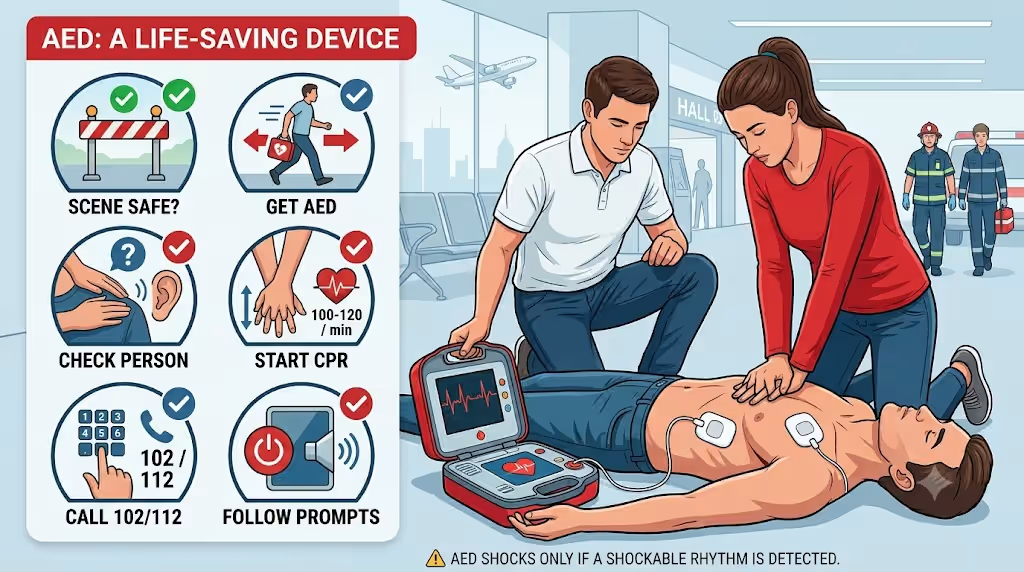
An AED is a portable device that can analyze the heart’s rhythm and deliver an electric shock if needed. These devices are designed for use by the general public and provide clear voice prompts. They are often found in airports, malls, and gyms.
Using an AED within the first few minutes of collapse is the most effective way to restart the heart. The device will not shock someone unless it detects a specific “shockable” rhythm. Therefore, you cannot accidentally harm someone by using an AED.
Emergency Response Steps
-
Check Scene: Ensure the area is safe for you and the victim.
-
Check Response: Tap and shout to see if the person reacts.
-
Call 102/112: Dial emergency services immediately.
-
Get AED: Send someone to find the nearest defibrillator.
-
Start CPR: Push hard and fast in the center of the chest.
-
Use AED: Follow the voice prompts once the device arrives.
What Treatments Are Available After Cardiac Arrest?
Emergency Resuscitation
The immediate treatment for cardiac arrest is always resuscitation through CPR and defibrillation. In a hospital setting, doctors use advanced medications and equipment to stabilize the heart. They may also use a ventilator to support the patient’s breathing.
Once the heart is restarted, the focus shifts to protecting the brain and other organs. This stage of care is critical for ensuring a good long-term recovery. Advanced life support is a team effort involving many medical specialists.
Medications
Following a cardiac event, medications are used to prevent another occurrence. Anti-arrhythmic drugs help keep the heart’s electrical signals steady and predictable. Beta-blockers are also commonly prescribed to reduce the heart’s workload and lower blood pressure.
If high cholesterol or diabetes contributed to the event, medications for those conditions will be started. Consistency in taking these medications is vital for survival. Always consult your cardiologist before making any changes to your prescriptions.
Implantable Cardioverter Defibrillator (ICD)
For many survivors, an ICD is the best long-term solution. This small device is surgically placed under the skin and monitors the heart’s rhythm 24/7. If it detects a life-threatening arrhythmia, it delivers a small shock to reset the heart.
An ICD acts like a personal emergency room inside the chest. It provides peace of mind for patients at high risk of recurrent cardiac arrest. Modern ICDs are very advanced and can even record data for your doctor to review.
Catheter Ablation
If an arrhythmia is caused by a specific area of “short-circuiting” tissue, ablation may be performed. During this procedure, a thin tube is guided to the heart to neutralize the problematic tissue. This “fixes” the electrical problem at its source.
Ablation is a minimally invasive procedure that can often cure certain types of arrhythmias. It reduces the need for long-term medications in many cases. For young adults, this can significantly improve their quality of life.
Can Cardiac Arrest Be Prevented?
Regular Heart Check-Ups
The most effective way to prevent cardiac arrest is through proactive screening. A Heart Specialist in Lucknow can perform tests like an ECG or an echocardiogram to find hidden issues. These check-ups are especially important if you have a family history of heart disease.
Many conditions that cause sudden death can be managed if they are caught early. Don’t wait for a crisis to happen before you see a professional. Prevention is the cornerstone of a long and healthy life.
Healthy Diet
Eating a diet rich in fruits, vegetables, whole grains, and lean proteins protects your arteries. Reducing your intake of processed sugars and saturated fats prevents the buildup of plaque. A heart-healthy diet also helps maintain a healthy weight and blood pressure.
Small changes in your eating habits can lead to massive improvements in heart health. Focus on incorporating healthy fats like those found in nuts and olive oil. What you put in your body directly affects how well your heart functions.
Exercise Safely
While exercise is vital, it is important to listen to your body and not overdo it. If you are starting a new high-intensity routine, get a medical clearance first. Always warm up and cool down to avoid putting sudden stress on your heart.
If you feel any chest pain or dizziness while working out, stop immediately. Exercise should make you feel stronger, not cause physical distress. Consistency is more important than intensity when it comes to heart health.
Managing Stress
Since stress is a major trigger for heart issues, finding ways to relax is essential. Practices like yoga, meditation, or even a daily walk can lower your stress hormones. Managing your mental health is a proactive step in protecting your physical heart.
Don’t be afraid to seek professional help if you are struggling with anxiety or chronic stress. A healthy mind supports a healthy cardiovascular system. Balance is key to preventing long-term strain on your heart.
Avoiding Smoking and Drug Abuse
Avoiding all forms of tobacco and recreational drugs is non-negotiable for heart health. These substances cause immediate and long-term damage to your heart’s electrical and structural systems. If you need help quitting, there are many resources and medications available.
Choosing a drug-free lifestyle is a powerful commitment to your future. Your heart will begin to heal almost immediately after you stop using these substances. It is one of the most impactful decisions you can make for your longevity.
When Should You Consult a Cardiologist?
Persistent Chest Pain
If you experience recurring chest pain, even if it is mild, you need a professional evaluation. A Heart Doctor in Lucknow can determine if the pain is cardiac-related. Early diagnosis of arterial issues can prevent a future heart attack or arrest.
Recurrent Fainting
Fainting without a clear explanation is a major warning sign that requires urgent attention. Do not assume it was just “dehydration” or “low blood sugar” without a medical opinion. A cardiologist will use diagnostic tools to ensure your heart’s rhythm is stable.
Family History of Sudden Cardiac Death
If a close relative died suddenly of a heart issue, you should undergo a full cardiac screening. Many life-threatening conditions are hereditary and can be detected before they cause problems. Knowledge of your genetic risk allows for personalized preventive care.
Abnormal Heart Rhythm
If you frequently feel your heart skipping beats or racing, it’s time to see an expert. These palpitations can be benign, but they can also signal a dangerous electrical flaw. Getting an accurate diagnosis provides peace of mind and a clear path forward.
Expert Insights
Why Early Screening Can Save Young Lives
Many young adults believe they are invincible because of their age and fitness levels. However, many cardiac conditions are silent and do not care about your bench press or running speed. Early screening is the only way to uncover these hidden threats before they manifest as an emergency.
Dr Ajay Bahadur, a renowned cardiologist, emphasizes that timely heart evaluations and lifestyle modifications are essential. By identifying inherited or acquired heart conditions early, we can significantly reduce the risk of sudden cardiac arrest in young adults. A simple check-up today could save your life tomorrow.
Key Takeaways
-
Cardiac Arrest Can Affect Young Adults: Age does not provide immunity against sudden electrical failures of the heart.
-
Recognizing Warning Signs Saves Lives: Symptoms like fainting, chest pain, and extreme fatigue should never be ignored.
-
CPR and AED Use Are Critical: Immediate action from bystanders is the most important factor in surviving a cardiac arrest.
-
Regular Heart Screening Is Essential: Proactive tests can identify hidden conditions before they become life-threatening.
-
Healthy Lifestyle Reduces Risk: Quitting smoking, managing stress, and eating well are your best defenses.
Conclusion
Cardiac arrest in young adults is a serious and growing concern, but it is not a hopeless situation. By understanding the causes—ranging from genetic conditions like HCM to lifestyle factors like stress and substance abuse—we can take active steps toward prevention. Recognizing the early warning signs and knowing how to respond in an emergency are skills that every young adult should possess.
If you are experiencing any heart-related symptoms or have a family history of heart disease, do not wait. Consulting a professional like Dr Ajay Bahadur, a Heart Specialist in Lucknow, for a timely evaluation can make all the difference. Protecting your heart is a lifelong journey that starts with awareness and proactive care today. Whether you are looking for the Best Cardiologist in Lucknow or simply want a check-up, taking that first step is a vital investment in your future.
FAQs
Q1.What is cardiac arrest?
Cardiac arrest is a sudden loss of heart function due to an electrical malfunction. It causes the heart to stop pumping blood to the brain and body. Without immediate treatment, it leads to death within minutes.
Q2.What causes cardiac arrest in young adults?
Common causes include hypertrophic cardiomyopathy, undiagnosed arrhythmias, and myocarditis. Lifestyle factors like drug use, extreme exertion, and undiagnosed coronary artery disease also play a significant role in younger populations.
Q3.How is cardiac arrest different from a heart attack?
A heart attack is a plumbing issue caused by a blocked artery. Cardiac arrest is an electrical issue where the heart stops beating. While distinct, a heart attack can sometimes trigger a cardiac arrest.
Q4.Can a healthy young person suffer cardiac arrest?
Yes, even fit individuals can have undiagnosed structural or genetic heart issues. Intense physical activity can sometimes trigger these hidden conditions, leading to a sudden and unexpected collapse during sports or exercise.
Q5.What are the warning signs before cardiac arrest?
Early signs include unexplained fainting, chest pain during activity, shortness of breath, and palpitations. Some people also experience extreme fatigue or severe dizziness in the days or weeks leading up to an event.
Q6.Can cardiac arrest be prevented?
Many cases are preventable through regular heart screenings and a healthy lifestyle. Managing blood pressure, avoiding tobacco, and getting medical clearance for intense sports are effective ways to reduce your overall risk.
Q7.What should I do if someone suddenly collapses?
First, check for responsiveness and breathing. Immediately call emergency services (102/112) and start hands-only CPR. If an Automated External Defibrillator (AED) is available, use it as soon as possible to restart the heart.
Q8.Which tests help identify the risk of cardiac arrest?
Standard tests include an Electrocardiogram (ECG), Echocardiogram (heart ultrasound), and Cardiac MRI. For intermittent issues, a Holter monitor may be used to track the heart’s rhythm over 24 to 48 hours.
Q9.When should I consult a cardiologist?
You should see a cardiologist if you have a family history of sudden death or heart disease. Additionally, seek help if you experience chest pain, fainting, or a racing heartbeat that doesn’t go away.
Q10.Can people recover completely after cardiac arrest?
Yes, if the heart is restarted quickly and the brain is protected, many survivors lead full lives. Recovery often involves long-term medication, lifestyle changes, and sometimes the surgical implantation of a defibrillator (ICD).