
The heart is the engine of the human body, and any structural irregularity can be a cause for concern—especially when it involves newborns or young children. One such condition is Patent Ductus Arteriosus (PDA).
If you are seeking clarity on this condition or looking for the Patent Ductus Arteriosus (PDA) In Lucknow, this guide provides a comprehensive overview of how PDA is managed and treated.
What is Patent Ductus Arteriosus (PDA)?
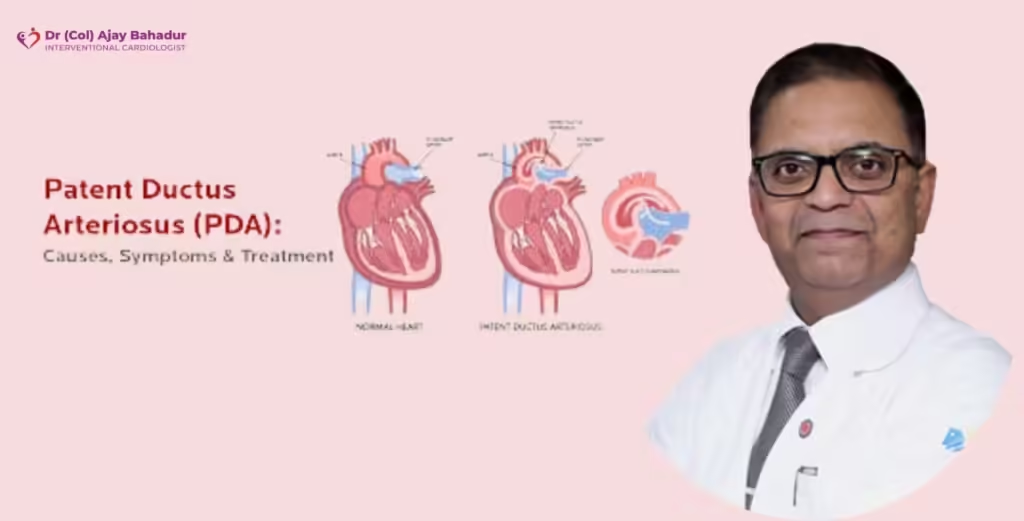
Before birth, a fetus has a blood vessel called the ductus arteriosus that connects the pulmonary artery to the aorta. This allows blood to bypass the lungs, which aren’t yet used for breathing. Normally, this vessel closes shortly after birth. When it stays open, it is called “Patent” (open) Ductus Arteriosus.
A PDA allows oxygen-rich blood from the aorta to mix with oxygen-poor blood in the pulmonary artery. This can strain the heart and increase blood pressure in the lung arteries.
Symptoms to Watch For
While a small PDA might not cause symptoms, a larger one can lead to:
-
Poor feeding and slow growth.
-
Shortness of breath or rapid breathing.
-
Easy tiring during physical activity.
-
A “machine-like” heart murmur detected by a doctor.
Treatment Options for PDA
The treatment strategy depends largely on the patient’s age and the size of the opening. Under the guidance of Dr. Ajay Bahadur, patients receive a tailored approach to ensure the best outcomes.
1. Watchful Waiting
In many cases, especially with premature infants, a small PDA may close on its own within the first few months of life. Regular monitoring via echocardiograms is essential during this period.
2. Medications
For premature babies, medications like Indomethacin or Ibuprofen (NSAIDs) may be used. these help the muscle in the PDA to constrict, effectively closing the connection without the need for surgery.
3. Transcatheter Procedures (Non-Surgical)
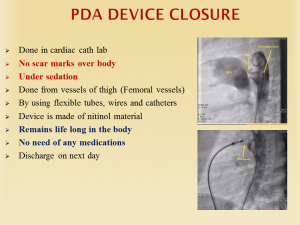
This is often the preferred method for older infants and children. A thin tube (catheter) is inserted through a vein in the groin and guided to the heart.
-
A plug or coil is inserted through the catheter to block the PDA.
-
This method is minimally invasive and requires a shorter recovery time than open surgery.
4. Surgical Ligation
If the PDA is exceptionally large or the catheter procedure isn’t feasible, surgery may be required. A surgeon makes a small incision between the ribs to reach the heart and manually ties off (ligates) or clips the ductus.
Why Choose Dr. Ajay Bahadur?
When dealing with cardiac conditions, expertise and precision are non-negotiable. Dr. Ajay Bahadur is widely recognized as the Cardiac Care Services in Lucknow, offering:
-
Advanced Diagnostics: Utilizing state-of-the-art imaging to assess heart health accurately.
-
Comprehensive Care: From neonatal cardiac issues to adult heart health.
-
Patient-Centric Approach: Transparent communication and personalized recovery plans.
If you or a loved one are experiencing symptoms or have been diagnosed with a heart condition, early intervention is key.
Frequently Asked Questions (FAQs)
Q: Can a PDA be left untreated?
A large untreated PDA can lead to heart failure, endocarditis (heart infection), or pulmonary hypertension. It is vital to consult a specialist.
Q: How long is the recovery after a PDA procedure?
Most children can go home the same day or the day after a transcatheter procedure and return to normal activities within a week.
Q: Is PDA hereditary?
While genetics can play a role, PDA often occurs sporadically or is associated with premature birth.
Get Expert Consultation Today
Don’t compromise on heart health. Schedule an appointment with the best heart specialist in Lucknow, Dr. Ajay Bahadur, to discuss the most effective treatment pathways for PDA and other cardiac concerns.
Contact us today to book your consultation.
