
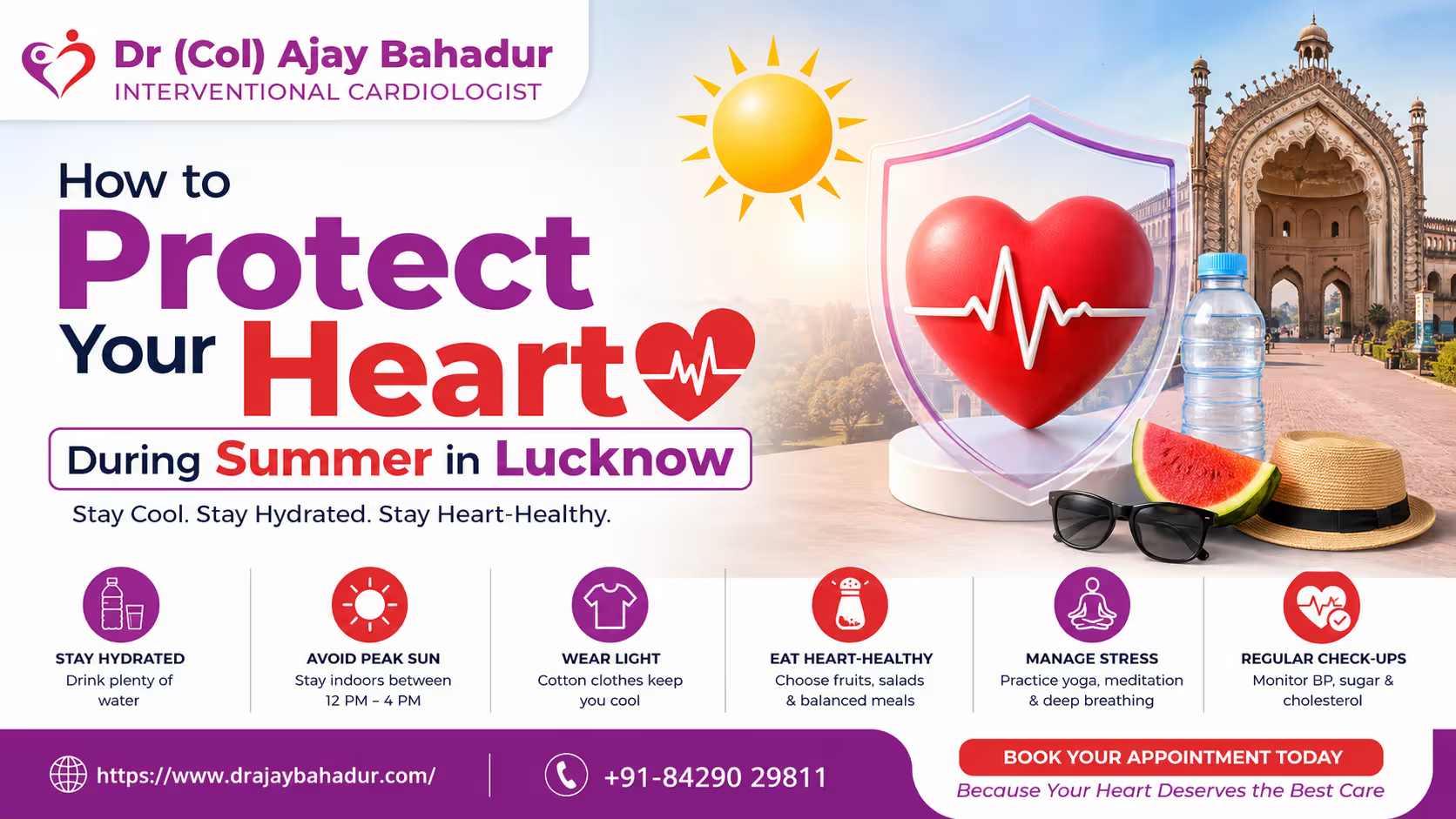
Lucknow is known for its rich culture, beautiful architecture, and vibrant lifestyle. However, as the calendar turns toward April, May, and June, the city transforms into a furnace. With temperatures frequently soaring above 40°C (104°F), the extreme “Loo” (hot winds) and intense humidity can take a massive toll on the human body. While we often talk about heatstroke and skin burns, one of the most significant—yet overlooked—risks during a Lucknow summer is the stress placed on the cardiovascular system.
For residents of the City of Nawabs, understanding how to manage heart health during these blistering months is not just a matter of comfort; it is a matter of survival. The heat doesn’t just make you thirsty; it forces your heart to work twice as hard to keep you cool. If you are looking for the best heart doctor in Lucknow to help manage your cardiovascular health, it is essential first to understand the preventative measures you can take at home.
Protecting your heart during summer requires proper hydration, blood pressure monitoring, avoiding extreme heat exposure, eating light meals, and recognizing warning signs like dizziness, chest discomfort, or breathlessness early.
In this comprehensive guide, we will explore why the summer heat is a challenge for your heart, who is most at risk, and actionable strategies to keep your heart beating strong despite the soaring mercury.
Why Summer Heat Can Be Dangerous for Your Heart
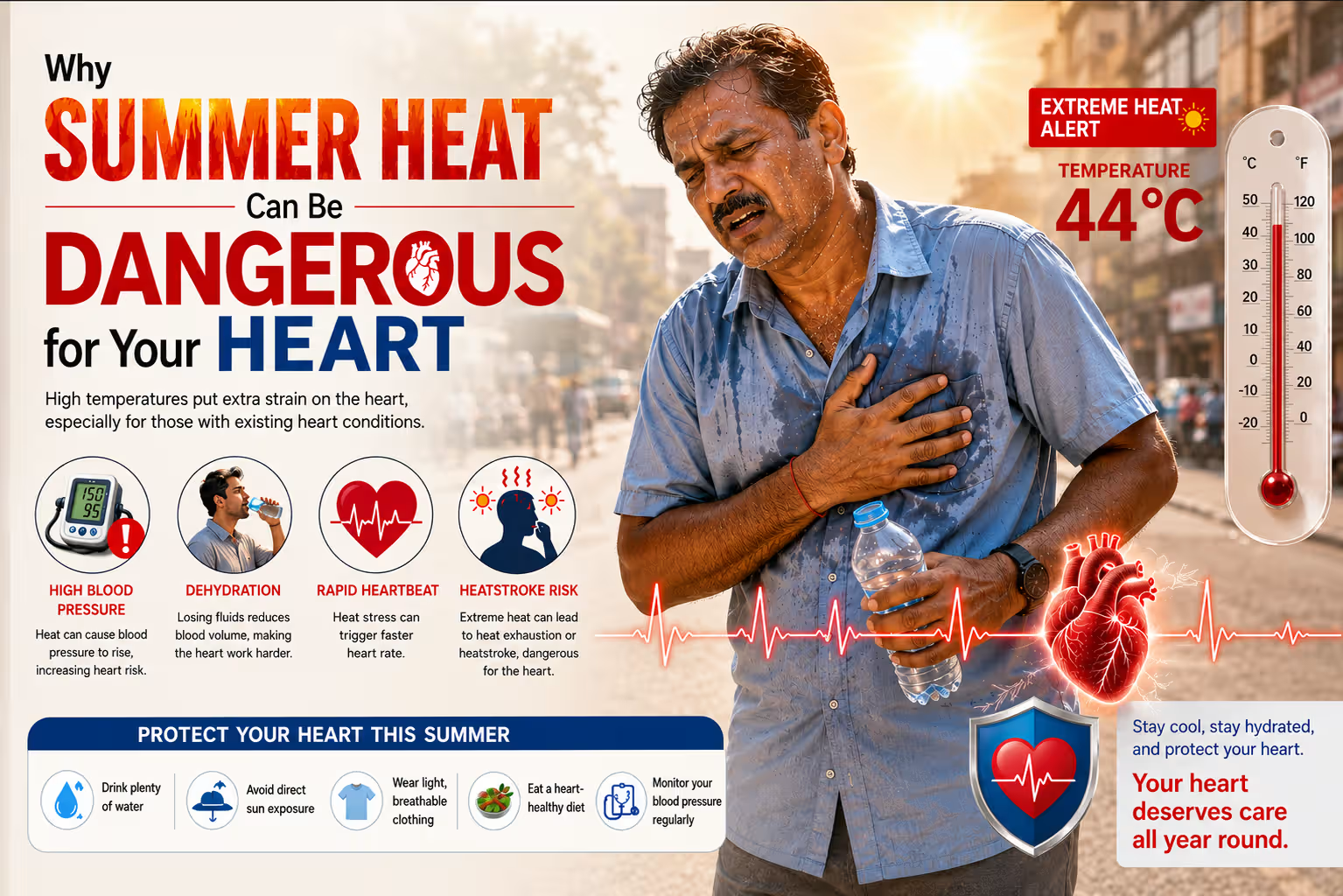
To understand why your heart struggles in the summer, we need to look at how the body cools itself. When you are exposed to high temperatures, your body tries to shed heat through two main mechanisms: radiation and evaporation (sweating). Both of these processes put a direct load on your heart.
1. Increased Heart Workload
To move heat from your core to your skin, your heart has to pump much faster. It redirects blood flow toward the surface of your skin so the heat can escape. In extreme temperatures, your heart may have to circulate two to four times as much blood per minute as it does on a cool day. For someone with a pre-existing heart condition, this extra “overtime” can lead to heart failure or a heart attack.
2. Dehydration and Blood Viscosity
Lucknow’s dry heat leads to rapid fluid loss through sweat. When you are dehydrated, your total blood volume decreases. This makes your blood “thicker” or more viscous. Pumping thick blood through the arteries requires more pressure and effort from the heart muscle, increasing the risk of blood clots.
3. Electrolyte Imbalance
Sweat isn’t just water; it’s a mix of essential minerals like sodium, potassium, and magnesium. These electrolytes are crucial for the electrical signals that tell your heart when to beat. If you lose too much potassium or sodium due to excessive sweating, it can trigger an irregular heartbeat (arrhythmia).
4. Blood Pressure Fluctuations
Heat causes blood vessels to dilate (expand) to help cool the body. While this can sometimes lower blood pressure, the accompanying dehydration can actually cause blood pressure to spike as the body tries to compensate for low fluid levels. This “see-saw” effect is dangerous for patients already managing hypertension.
Who Is at Risk During Summer?
While the heat affects everyone, certain groups in Lucknow need to be extra vigilant. If you or a loved one falls into these categories, consulting with a specialist—often referred to as the best heart doctor in Lucknow—for a summer-specific checkup is highly recommended.
-
The Elderly (65+): As we age, our bodies become less efficient at regulating temperature. The thirst mechanism also weakens, meaning seniors might be dangerously dehydrated without even feeling thirsty.
-
Individuals with Hypertension (High BP): Many BP medications, like diuretics (water pills), increase fluid loss. Combined with summer sweating, this can lead to severe dehydration.
-
Diabetes Patients: Diabetes can damage blood vessels and nerves that affect the sweat glands, making it harder for the body to cool down.
-
Outdoor Workers: From traffic police to construction workers and delivery partners, those spending 8-10 hours in the Lucknow sun are at the highest risk for heat exhaustion and cardiac stress.
-
Overweight Individuals: Carrying extra weight causes the body to retain more heat, requiring the heart to work even harder to maintain a safe internal temperature.
Symptoms to Watch Out For
Recognizing the difference between “just feeling hot” and a “cardiac emergency” is vital. Heat exhaustion and a heart attack can sometimes share similar symptoms.
Heat Exhaustion Warning Signs:
-
Heavy sweating and cold, clammy skin
-
Fast, weak pulse
-
Nausea or vomiting
-
Muscle cramps
-
Tiredness or weakness
-
Dizziness or fainting
Heart-Specific Warning Signs:
-
Chest Pain: Pressure, squeezing, or fullness in the center of the chest that lasts more than a few minutes.
-
Shortness of Breath: Feeling like you can’t catch your breath even while resting in the shade.
-
Pain in Upper Body: Discomfort radiating to the jaw, neck, back, or arms.
-
Palpitations: A feeling that your heart is skipping a beat or thumping too hard.
Note: If you experience these symptoms, move to a cool place immediately and seek medical help. Early intervention by the best heart doctor in Lucknow can prevent permanent damage to the heart muscle.
Summer Heart Risk Factors vs. Prevention Tips
| Risk Factor | How It Affects the Heart | Prevention Tip |
| Dehydration | Lowers blood volume, makes blood thicker | Drink 3-4 liters of water daily |
| Extreme Heat | Increases heart strain & heart rate | Stay indoors between 12 PM – 4 PM |
| High BP | Raises cardiac workload & artery stress | Monitor BP regularly at home |
| Excess Salt | Causes fluid retention & BP spikes | Limit pickles, papads, and processed snacks |
| Heat Exhaustion | Leads to weakness & fainting | Use fans, coolers, or AC to stay cool |
The chart above highlights that most summer heart risks are manageable through simple lifestyle adjustments. The key is consistency. Protecting your heart isn’t a one-time action; it’s a daily habit during the Lucknow heatwave.
How to Protect Your Heart in Hot Weather in India
Living in a tropical climate requires a specific strategy. Here is a step-by-step guide to staying heart-safe:
1. Stay Hydrated (The Right Way)
Don’t wait until you are thirsty to drink water. By the time you feel thirsty, you are already slightly dehydrated.
-
Tip: Keep a copper or clay pot (matka) at home. Matka water is naturally cool and helps maintain the body’s pH balance.
-
What to avoid: Excessive caffeine (tea/coffee) and sugary sodas. These act as diuretics and actually pull more fluid out of your body.
2. Time Your Activities
In Lucknow, the sun is at its harshest between 11:00 AM and 5:00 PM.
-
Tip: If you need to go to the market (like Aminabad or Hazratganj), do it in the early morning or after sunset.
-
Outdoor Work: If you must work outside, take “shade breaks” every 20 minutes.
3. Dress for the Climate
Wear loose-fitting, light-colored cotton clothes. Cotton allows your skin to breathe and helps sweat evaporate, which cools the body. Synthetic fabrics like polyester trap heat and can cause your body temperature to rise rapidly.
4. Monitor Your Medications
Some heart medications, such as beta-blockers, can slow your heart rate and limit the heart’s ability to circulate blood fast enough for effective cooling.
-
Action: Consult the best heart doctor in Lucknow to see if your dosage needs adjustment during the summer months. Never stop taking medication on your own.
5. Keep Your Environment Cool
If you don’t have an air conditioner, use “Khus” curtains (a Lucknow specialty!) dampened with water. They provide natural cooling and increase humidity in the dry heat, making it easier for your lungs and heart.
Best Foods and Drinks for Heart Health During Summer

Your diet plays a massive role in how your heart handles the heat. Indian traditional wisdom offers some of the best cooling foods.
-
Coconut Water: It is nature’s ORS. It’s packed with potassium, which helps regulate heart rhythm.
-
Watermelon and Muskmelon: These fruits are over 90% water and provide essential antioxidants like lycopene, which is good for the arteries.
-
Sattu Sharbat: A staple in North India, Sattu (roasted gram flour) is cooling and provides steady energy without spiking blood sugar.
-
Buttermilk (Chaas): A great source of probiotics and hydration. Add a pinch of roasted cumin (jeera) to aid digestion.
-
Curd (Dahi): Helps in keeping the digestive system cool, which reduces the metabolic load on the heart.
-
Avoid: Deep-fried foods like Samosas or Kachoris. These require a lot of energy to digest, which increases body heat and puts stress on the heart.
How to Control High BP in Summer
Hypertension is a “silent” risk factor that becomes more vocal in the heat. Managing it requires a multi-pronged approach:
-
Reduce Sodium: We often eat more salt in summer (in lemon soda or pickles). High salt leads to water retention and higher BP. Stick to natural flavors.
-
Monitor Regularly: Keep a digital BP monitor at home. Record your readings once in the morning and once in the evening.
-
Stress Management: High temperatures can lead to irritability and stress. Practice deep breathing or “Pranayama” in a cool room to keep your nervous system calm.
-
Expert Consultation: If your BP fluctuates wildly, it is time to see a professional. Experts like Dr. Ajay Bahadur, recognized as one of the Best heart doctors in Lucknow, emphasize early recognition of heat-related heart symptoms and preventive summer heart care.
Prevent Heart Problems in Summer: Lifestyle Precautions
Preventive care is the best cure. Here are some lifestyle shifts to consider:
-
Quit Smoking: Smoking constricts blood vessels. When your vessels are already trying to dilate to cool the body, smoking creates a dangerous conflict that can lead to a heart attack.
-
Limit Alcohol: Alcohol dehydrates the body and can interfere with the way your heart regulates its temperature.
-
Weight Management: If you are overweight, even losing 2-3 kg can significantly reduce the load on your heart during a heatwave.
-
Regular Checkups: Don’t wait for a crisis. A simple ECG or Echo test before the peak of summer can identify hidden risks.
Summer Exercise Tips for Heart Patients
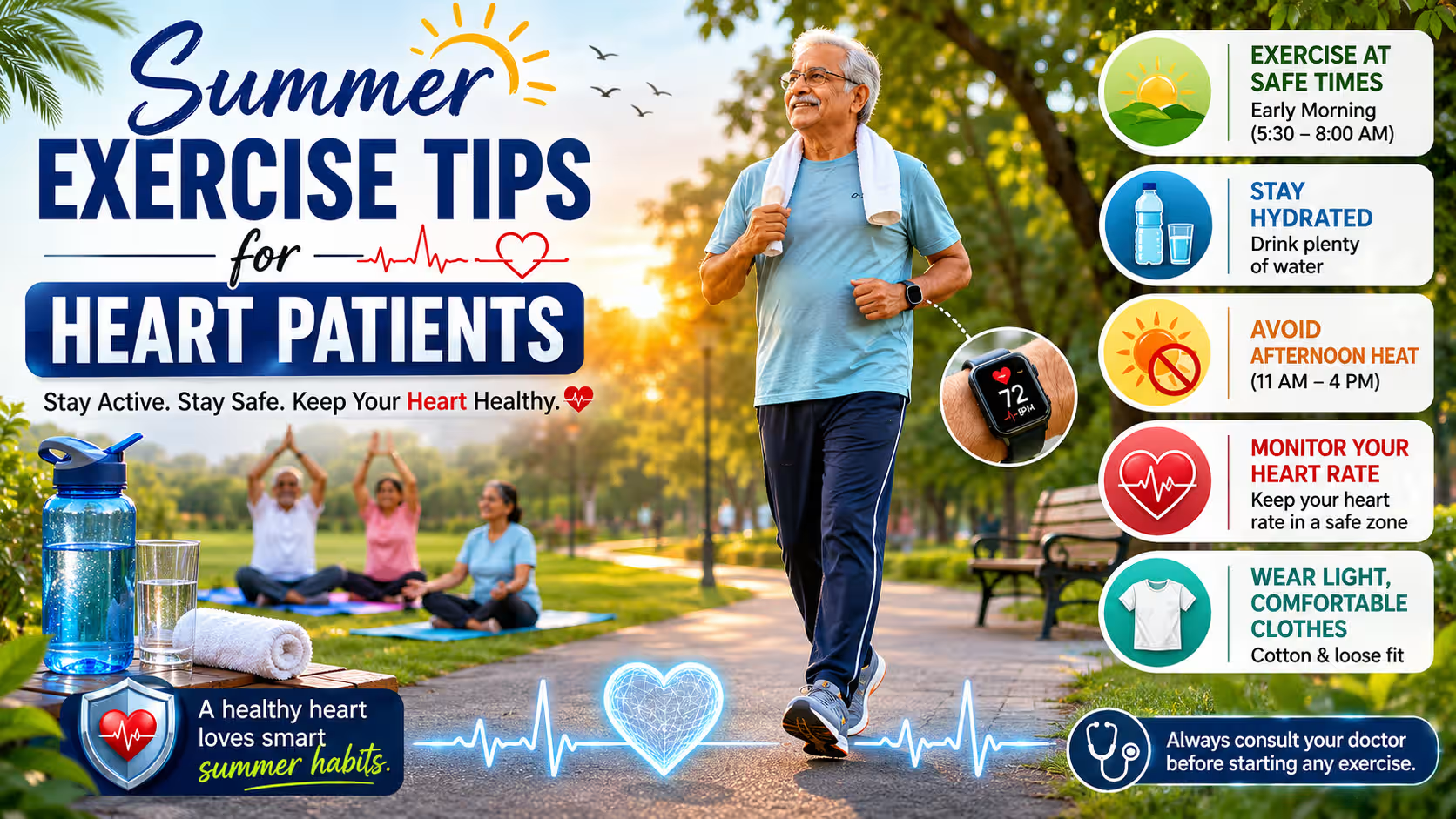
Staying active is important, but you must change your routine when the temperature hits 42°C.
-
Early Bird or Night Owl: Exercise before 7:00 AM or after 7:30 PM.
-
Indoor Options: Consider walking in a hallway, practicing yoga, or using a stationary bike in a cooled room.
-
Listen to Your Body: If you feel even slightly dizzy or nauseous, stop immediately. Sit down, drink water, and cool your neck and forehead with a damp cloth.
-
Hydrate During Workouts: Sip water every 10-15 minutes during your exercise session, even if you don’t feel thirsty.
When to See a Doctor
Summer “lethargy” is normal, but some signs indicate a more serious cardiac issue. You should seek an immediate appointment if you experience:
-
Fainting or loss of consciousness.
-
A heart rate that remains high even after resting in a cool place.
-
Swelling in the ankles or feet (this can be a sign of heart strain).
-
Uncontrolled high blood pressure.
-
Persistent chest heaviness.
For expert cardiac evaluation and preventive care, experienced specialists like Dr. Ajay Bahadur, known as a Best heart doctor in Lucknow, help patients manage heart risks during extreme weather conditions. Having a trusted cardiologist allows you to have a personalized “Summer Action Plan” tailored to your specific medical history.
Final Thoughts
The Lucknow summer is legendary for its intensity, but it doesn’t have to be a threat to your life. By understanding the science of how heat affects the heart and taking proactive steps—like staying hydrated, eating cooling foods, and monitoring your blood pressure—you can enjoy the season safely.
Remember, your heart is the engine of your body. In the summer, the engine runs hot. Give it the “coolant” it needs through water and rest, and don’t hesitate to seek professional advice when things don’t feel right. Early symptom recognition saves lives.
FAQs
1. How to reduce body heat in summer?
To reduce body heat, drink plenty of water, consume cooling foods like cucumber and curd, wear cotton clothing, and take lukewarm (not ice-cold) showers. Applying a cool compress to your pulse points (wrists and neck) also helps lower core temperature quickly.
2. How can you protect your heart in the heat?
Protect your heart by staying hydrated, avoiding the sun during peak hours, limiting strenuous physical activity in the heat, and keeping your blood pressure under control. Always follow your cardiologist’s advice regarding medication.
3. How to control high BP in summer?
Control high BP by reducing salt intake, staying hydrated to avoid blood thickening, monitoring your BP levels daily, and avoiding alcohol. If you are on BP medication, ensure you take it consistently at the same time every day.
4. Can dehydration affect heart health?
Yes, dehydration is one of the leading causes of summer heart stress. It reduces blood volume, making the heart pump faster and harder to circulate blood. It can also lead to electrolyte imbalances that cause irregular heartbeats.
5. When should heart patients avoid going outside in summer?
Heart patients should stay indoors when the temperature exceeds 38°C (100°F) or when the humidity is very high. In Lucknow, this usually means staying inside between 11 AM and 5 PM.
Summer Health Example:
Imagine a 60-year-old resident of Gomti Nagar who enjoys morning walks. In June, instead of walking at 8:00 AM when the sun is already high, they should switch to 6:00 AM. By carrying a bottle of water with a pinch of salt and lemon, they protect their heart from the sudden electrolyte loss caused by Lucknow’s humidity. This small shift in “lifestyle timing” can be the difference between a healthy heart and a hospital visit.