
Heart disease is often associated with obvious warning signs such as chest pain, breathlessness, sweating, or dizziness. But what if a person has heart disease without experiencing any clear symptoms?
This is where silent heart disease becomes concerning. Some cardiovascular conditions can develop gradually, while risk factors such as high blood pressure, high cholesterol and diabetes may remain unnoticed for years. A person may feel completely healthy while changes are already taking place in the arteries.
According to the American Heart Association, cardiovascular risk factors can develop slowly with few or no symptoms initially. Regular screening of blood pressure, cholesterol, blood glucose, waist circumference and other related health factors can help identify risks earlier.
Regular cardiac check-ups are therefore not only for people who already have heart disease. They can also help healthy-looking individuals understand their cardiovascular risk and take preventive action.
If you are looking for a Best Heart Specialist in Lucknow, understanding your risk factors and discussing appropriate preventive cardiac evaluation with an experienced cardiologist such as Dr Ajay Bahadur can be an important step toward protecting your heart.
What Is Silent Heart Disease?
Silent heart disease generally refers to cardiovascular disease or reduced blood flow to the heart that may develop without noticeable or typical symptoms.
One important example is silent or asymptomatic coronary artery disease (CAD). Coronary artery disease occurs when plaque builds up inside the coronary arteries that supply blood and oxygen to the heart muscle. Over time, plaque can narrow the arteries and restrict blood flow.
The problem is that a person may not always experience classic chest pain, particularly during the early stages.
Some people may instead notice subtle symptoms such as:
- Unusual tiredness
- Breathlessness during activity
- Reduced exercise tolerance
- Mild chest discomfort
- Dizziness
- Palpitations
- Unexplained weakness
In some cases, however, there may be no noticeable symptoms at all.
This does not mean that every healthy person needs extensive heart testing. Cardiac tests should be selected according to age, symptoms, medical history, and individual cardiovascular risk rather than performed unnecessarily.
Why Can Heart Disease Remain Hidden?
Heart disease does not always begin with a dramatic warning.
Plaque accumulation in arteries can progress gradually. Major risk factors include high LDL cholesterol, high blood pressure, diabetes, smoking, obesity, and family history of cardiovascular disease.
The body can sometimes adapt to gradual changes in blood flow, allowing a person to continue normal daily activities without recognizing that a cardiovascular problem may be developing.
Another important issue is that some conditions associated with heart disease are themselves silent.
For example, high blood pressure may cause no obvious symptoms for years. Similarly, high cholesterol generally does not produce symptoms that a person can feel.
That is why waiting for chest pain before thinking about heart health may not always be the best preventive strategy.
7 Reasons Regular Cardiac Check-ups Matter
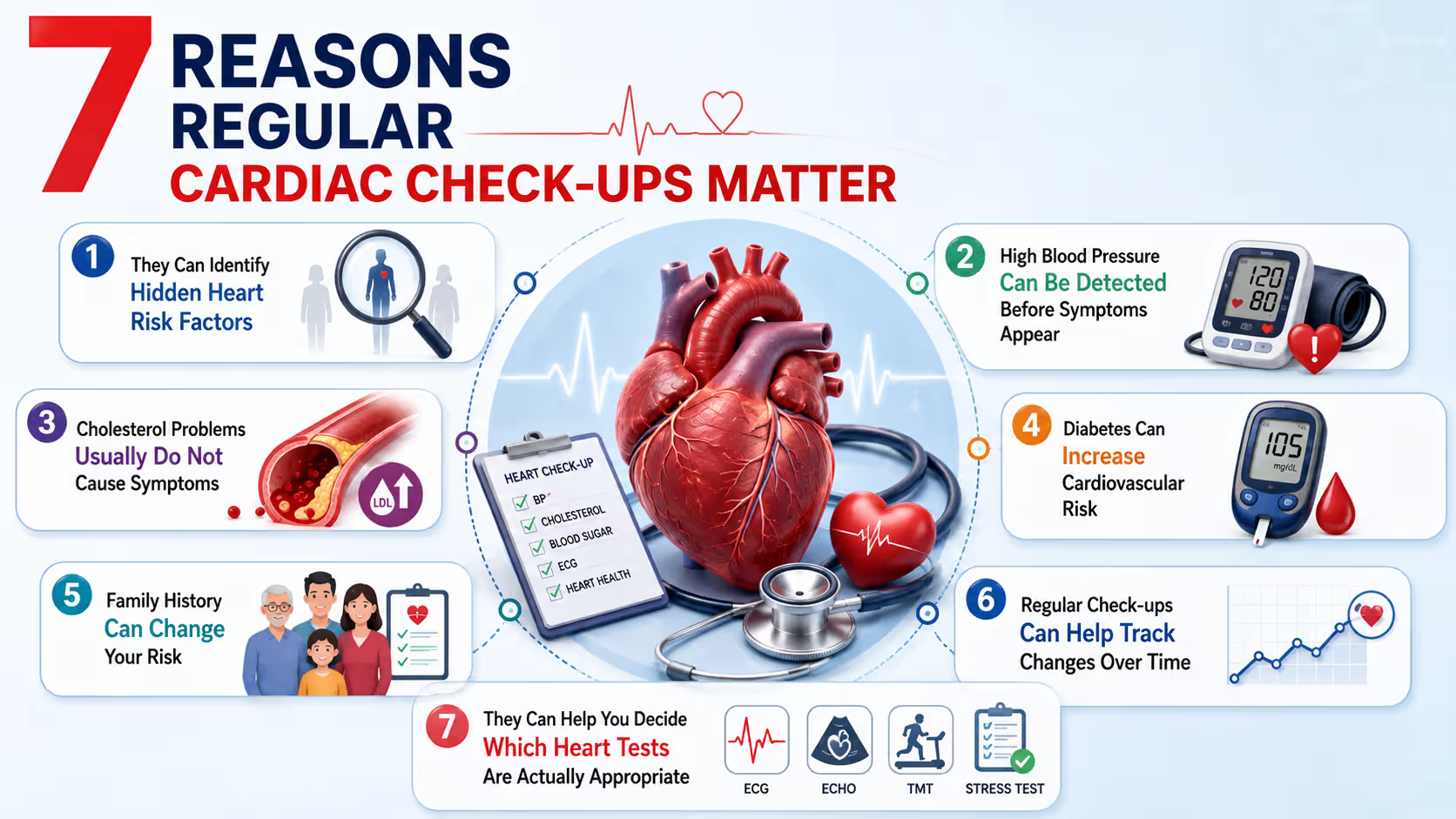
1. They Can Identify Hidden Heart Risk Factors
One of the biggest advantages of regular cardiac health evaluations is that they can uncover risk factors before they become major problems.
A routine assessment may include reviewing:
- Blood pressure
- Cholesterol
- Blood sugar
- Body weight and waist circumference
- Smoking and tobacco exposure
- Physical activity
- Diet
- Family history
- Previous medical conditions
- Current medications
The American Heart Association recommends understanding cardiovascular risk by considering factors such as age, diabetes, high blood pressure, high cholesterol, obesity, tobacco use and family history.
Knowing your risk allows you and your doctor to make informed decisions about lifestyle changes, monitoring and treatment.
2. High Blood Pressure Can Be Detected Before Symptoms Appear
High blood pressure is often called a silent condition because many people do not feel any different even when their readings are elevated.
A person may have a busy routine, exercise occasionally and feel perfectly well while their blood pressure remains consistently high.
Over time, uncontrolled high blood pressure can increase cardiovascular risk and contribute to problems involving the heart, brain and kidneys.
Regular blood pressure measurement is simple and can provide valuable information about your cardiovascular health.
If repeated readings are abnormal, your doctor can determine whether further evaluation or treatment is required.
Remember: One abnormal reading does not automatically mean that a person has chronic hypertension. Blood pressure should be interpreted in the appropriate clinical context and, when necessary, confirmed through repeated measurements.
3. Cholesterol Problems Usually Do Not Cause Symptoms
High cholesterol is another reason preventive cardiac check-ups matter.
Unlike chest pain or breathlessness, high cholesterol generally does not give you a warning signal that you can feel.
LDL cholesterol can contribute to plaque formation in arteries. Over time, this plaque may contribute to coronary artery disease and other forms of atherosclerotic cardiovascular disease.
A lipid profile can help assess cholesterol levels.
Depending on your overall risk, your doctor may discuss:
- LDL cholesterol
- HDL cholesterol
- Triglycerides
- Total cholesterol
- Lifestyle changes
- Weight management
- Physical activity
- Medication when clinically appropriate
The important point is that cholesterol management should be based on overall cardiovascular risk, not simply one isolated number.
4. Diabetes Can Increase Cardiovascular Risk
Blood sugar and heart health are closely connected.
Diabetes significantly increases the risk of cardiovascular disease. The American Heart Association also highlights the connection between metabolic health, kidney health, and cardiovascular health.
A person with undiagnosed or poorly controlled diabetes may not experience obvious symptoms.
Regular health assessments can help identify abnormal blood glucose or other metabolic risk factors.
If you have diabetes, controlling blood sugar, blood pressure, cholesterol and body weight becomes particularly important for reducing cardiovascular risk.
This is one reason cardiac prevention should not focus only on the heart. Your heart, blood vessels, kidneys and metabolic health are interconnected.
5. Family History Can Change Your Risk
You may feel healthy today, but your family history can provide important clues about your future cardiovascular risk.
If a close family member developed coronary artery disease or had a heart attack at a relatively young age, it is important to discuss this history with your doctor.
Family history does not mean that you will definitely develop heart disease. However, it can influence how your overall risk is assessed.
Your doctor may consider family history along with:
- Age
- Blood pressure
- Cholesterol
- Diabetes
- Smoking
- Weight
- Physical activity
- Other medical conditions
A personalized risk assessment is more useful than assuming that everyone needs the same cardiac tests.
6. Regular Check-ups Can Help Track Changes Over Time
A single health check gives you a snapshot.
Regular check-ups provide a trend.
For example, imagine that your blood pressure is normal today but gradually increases over the next few years. Or your cholesterol starts moving upward. Or your weight and blood sugar change.
Tracking these changes can help identify an emerging risk pattern.
The American Heart Association emphasizes consistent healthcare visits and monitoring factors such as diet, physical activity, symptoms, medications, blood pressure, and cholesterol in cardiovascular care.
Early awareness allows you to make changes before risk becomes more difficult to manage.
7. They Can Help You Decide Which Heart Tests Are Actually Appropriate
A common misconception is:
“If I am worried about my heart, I should get every possible heart test.”
That is not necessarily true.
A good cardiac evaluation begins with your history, symptoms, examination, and risk factors. The cardiologist then decides whether additional testing is appropriate.
Depending on the individual situation, evaluation may involve:
- Blood pressure measurement
- Blood tests
- ECG
- Echocardiogram
- Exercise testing
- Holter monitoring
- Coronary CT angiography
- Other cardiac imaging or specialized tests
The right test depends on the clinical question.
For example, someone experiencing palpitations may need rhythm monitoring, while someone with particular symptoms or cardiovascular risk factors may require a different type of assessment.
Importantly, guidelines do not recommend routine periodic anatomical or ischemic testing for every person simply because time has passed when there has been no change in clinical or functional status. Testing should be individualized.
Chart: Common Cardiac Check-up Tests and What They Help Assess
| Cardiac Check-up / Test | What It May Help Assess | When It May Be Considered |
|---|---|---|
| Blood Pressure Check | High or low blood pressure | Routine health and cardiovascular risk assessment |
| Lipid Profile | LDL, HDL, triglycerides and cholesterol levels | Cardiovascular risk assessment and cholesterol monitoring |
| Blood Glucose / HbA1c | Diabetes and blood sugar control | Particularly useful when diabetes or metabolic risk is suspected |
| ECG (Electrocardiogram) | Heart rhythm and electrical activity | Symptoms such as palpitations, chest discomfort or selected clinical situations |
| Echocardiogram | Heart structure, valves and pumping function | When structural or functional heart disease is suspected |
| Holter Monitoring | Intermittent or abnormal heart rhythms | Palpitations, unexplained dizziness or suspected rhythm disorders |
| Coronary CT Angiography | Coronary artery anatomy and plaque/ narrowing | Selected patients when clinically appropriate |
Important: This chart is for general education. Not every person requires every test. A cardiologist should decide which investigations are appropriate based on symptoms, age, risk factors, medical history, and examination.
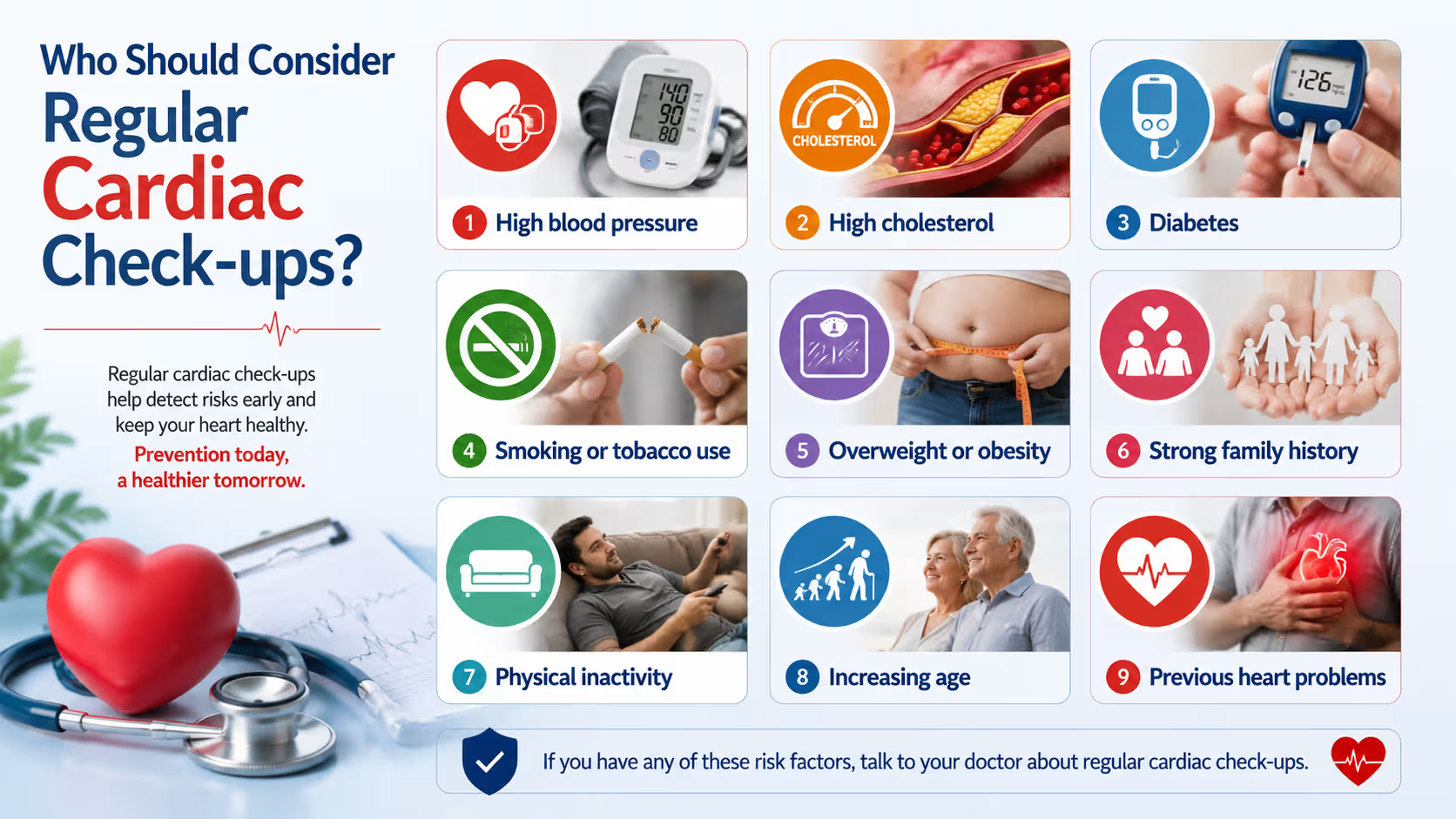
Who Should Consider Regular Cardiac Check-ups?
There is no single schedule that applies equally to everyone.
However, regular cardiovascular risk assessment becomes particularly important if you have one or more risk factors such as:
High blood pressure
Especially if readings are repeatedly elevated, or you have been diagnosed with hypertension.
High cholesterol
Particularly elevated LDL cholesterol or other lipid abnormalities.
Diabetes
Diabetes substantially increases cardiovascular risk.
Smoking or tobacco use
Tobacco is a major cardiovascular risk factor.
Overweight or obesity
Excess body weight, especially abdominal fat, can increase cardiovascular and metabolic risk.
Strong family history
A family history of premature cardiovascular disease deserves attention.
Physical inactivity
Regular physical activity is an important component of cardiovascular prevention.
Increasing age
Cardiovascular risk generally increases with age, making risk assessment increasingly important.
Previous heart problems
People with established cardiovascular disease require individualized follow-up and risk management.
The American Heart Association identifies smoking, high blood pressure, high cholesterol, diabetes, obesity, family history and physical inactivity among important cardiovascular risk factors.
Can You Have a Normal ECG and Still Have Heart Disease?
Yes.
An ECG is a valuable test, but it provides information about the heart’s electrical activity at the time of the recording. It does not automatically rule out every form of coronary artery disease or cardiovascular problem.
This is why heart evaluation should not be based on a single test in isolation.
If you have symptoms, significant risk factors, or a concerning medical history, your cardiologist may recommend additional evaluation.
The purpose of a cardiac check-up is not simply to obtain a “normal” test report. The goal is to understand your overall cardiovascular health and risk.
Silent Heart Disease: What Are the Warning Signs?
Although silent disease may produce few or no obvious symptoms, you should never ignore new or unexplained symptoms.
Seek urgent medical attention for symptoms such as:
- Chest pressure, tightness or discomfort
- Severe or unexplained breathlessness
- Fainting or near-fainting
- Sudden dizziness
- Unexplained sweating with chest discomfort
- New or severe palpitations
- Pain or discomfort spreading to the arm, shoulder, jaw, neck or back
- Sudden weakness or other concerning symptoms
The American Heart Association advises urgent emergency evaluation for symptoms such as chest discomfort, shortness of breath, dizziness/lightheadedness, or irregular heartbeats.
Do not wait for a routine appointment if symptoms are sudden, severe or concerning.
How Can You Reduce Your Risk of Heart Disease?
Cardiac check-ups are only one part of prevention.
Your everyday habits also matter.
Eat a Heart-Healthy Diet
Focus on a diet rich in:
- Vegetables
- Fruits
- Whole grains
- Legumes
- Nuts
- Appropriate sources of lean protein
- Fish where suitable
Limit excessive intake of highly processed foods, refined carbohydrates, sugary beverages, excess salt and unhealthy fats.
The American Heart Association recommends an overall healthy dietary pattern as part of cardiovascular prevention.
Stay Physically Active
Regular physical activity can help improve several cardiovascular risk factors, including blood pressure, cholesterol, weight and blood sugar.
For many adults, the AHA recommends at least 150 minutes of moderate-intensity activity per week, or 75 minutes of vigorous activity, subject to individual health circumstances.
If you have known heart disease or symptoms, ask your doctor what level of exercise is appropriate for you.
Avoid Tobacco
Smoking and tobacco exposure significantly increase cardiovascular risk.
Stopping tobacco use is one of the most important steps you can take for your heart and overall health.
Maintain a Healthy Weight
Excess body weight, especially around the waist, can increase the risk of high blood pressure, diabetes and cardiovascular disease.
Even modest, sustainable improvements can be beneficial.
Manage Stress and Sleep
Chronic stress, poor sleep and unhealthy routines can make it harder to maintain healthy blood pressure, weight, diet and physical activity habits.
A healthy lifestyle should therefore address the whole person rather than focusing on one number.
Why Preventive Cardiology Is Better Than Waiting for Symptoms
One of the biggest mistakes people make is thinking:
“I feel fine, so my heart must be fine.”
Unfortunately, symptoms are not always an early warning system.
A preventive approach asks different questions:
- What is my blood pressure?
- What is my cholesterol?
- Is my blood sugar normal?
- Do I have a family history of heart disease?
- Am I physically active?
- Do I smoke or use tobacco?
- Is my weight healthy?
- What is my overall cardiovascular risk?
- Do I need any cardiac testing based on my individual situation?
These questions can help shift heart care from reactive treatment to proactive prevention.
The AHA’s 2026 cardiovascular statistics update continues to emphasize major modifiable risk factors including blood pressure, cholesterol, glucose control, obesity, physical activity, nutrition and smoking.
Choosing a Heart Specialist in Lucknow
If you are concerned about your heart health, choosing an experienced cardiologist can help you understand your cardiovascular risk and determine whether further evaluation is necessary.
Dr Ajay Bahadur is an experienced interventional cardiologist associated with Apollomedics Hospitals, Lucknow. For individuals searching online for the Best Cardiologist in Lucknow, a consultation can be an opportunity to discuss symptoms, cardiovascular risk factors, family history, and appropriate preventive or diagnostic evaluation.
A good cardiac consultation should not simply focus on whether a single test is normal or abnormal. It should consider the complete clinical picture.
Frequently Asked Questions About Silent Heart Disease
1. What is silent heart disease?
Silent heart disease refers to cardiovascular disease that may develop without obvious or typical symptoms. Coronary artery disease, for example, can involve plaque buildup and narrowing of coronary arteries before a person experiences noticeable symptoms.
2. Can a healthy person have heart disease?
Yes. Some cardiovascular risk factors and certain forms of heart disease can exist without obvious symptoms. This is why appropriate preventive health assessments are important, especially when risk factors are present.
3. How often should I have a cardiac check-up?
There is no universal schedule for everyone. The appropriate frequency depends on your age, risk factors, medical history, symptoms and previous test results. Your doctor can recommend a personalized follow-up plan.
4. Is ECG enough to check heart health?
No single test can assess every aspect of cardiovascular health. An ECG evaluates electrical activity and rhythm, while other tests evaluate different aspects of heart structure, function or coronary arteries. Your doctor should decide which tests are appropriate.
5. Who is at higher risk of heart disease?
Risk can be higher in people with high blood pressure, high cholesterol, diabetes, smoking history, obesity, physical inactivity, increasing age or a family history of premature cardiovascular disease.
6. Can cholesterol cause heart disease without symptoms?
Yes. High cholesterol generally does not cause symptoms that you can feel. Blood testing is needed to identify cholesterol abnormalities.
7. Is coronary CT angiography required for everyone?
No. Coronary CT angiography is not a routine test for every healthy person. It may be useful in selected patients when the clinical situation warrants it. The decision should be made by a qualified medical professional.
8. Can lifestyle changes really reduce heart risk?
Yes. Healthy eating, regular physical activity, maintaining a healthy weight, avoiding tobacco, and managing conditions such as high blood pressure, diabetes, and high cholesterol can help reduce cardiovascular risk.
Final Takeaway: Don’t Wait for Your Heart to Complain
Silent heart disease is concerning precisely because it may not announce itself early.
You can feel healthy and still have cardiovascular risk factors such as high blood pressure, high cholesterol, or diabetes. Regular health assessments can help identify these problems, monitor changes over time, and determine whether further cardiac evaluation is appropriate.
The goal of a cardiac check-up is not to perform every possible test. It is to understand your individual risk and choose the right preventive or diagnostic approach.
If you are concerned about your cardiovascular health or looking for the Best Heart Specialist in Lucknow, consider discussing your risk factors and symptoms with Dr Ajay Bahadur.
Your heart does not have to hurt before you start taking care of it. Early awareness, healthy habits, and appropriate medical guidance can make a meaningful difference in long-term heart health.
Medical Disclaimer: This article is intended for general educational purposes and does not replace an individual medical consultation. Cardiac tests and treatments should be recommended based on your symptoms, medical history, examination, and individual cardiovascular risk. If you experience severe or sudden chest pain, breathlessness, fainting or other potentially serious symptoms, seek emergency medical care immediately.