
Posted By Dr Ajay Bahadur | Cardiologist in Lucknow
Managing what we eat is the first step toward a long and healthy life. Among all the things we put in our bodies, salt is often the most misunderstood. While our bodies need a little salt to function properly, most of us eat far more than necessary. This “hidden” habit can lead to serious health issues, especially for our hearts.
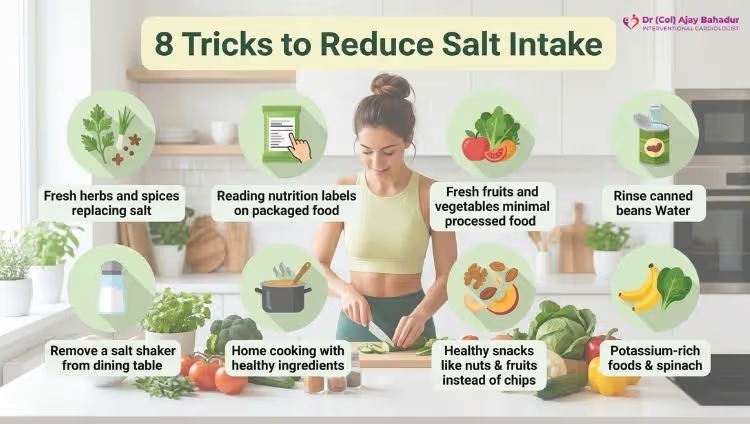
If you are looking for ways to protect your heart, you are in the right place. In this blog, we will share 8 simple and effective tricks to reduce salt risk in your diet. To ensure you get the best advice, we have integrated insights from Dr Ajay Bahadur, a renowned heart specialist in Lucknow, who has spent decades helping patients manage their cardiovascular health through better lifestyle choices.
Why Should You Worry About Salt?
Before we dive into the tricks, it is important to understand why salt is such a big deal. Salt contains sodium.When there is too much sodium in your blood, it pulls water into your blood vessels. This increases the total volume of blood moving through your veins and arteries.
Think of it like a garden hose. If you turn up the water pressure too high, the hose becomes stiff and strained. In your body, this translates to high blood pressure (hypertension). Over time, high blood pressure can damage the walls of your arteries and force your heart to work much harder. This is why experts like Dr Ajay Bahadur, the leading Best heart specialist in Lucknow, often emphasize salt reduction as the “golden rule” for heart patients.
8 Tricks to Reduce Salt Intake in Your Diet
1. Master the Art of Herbs and Spices
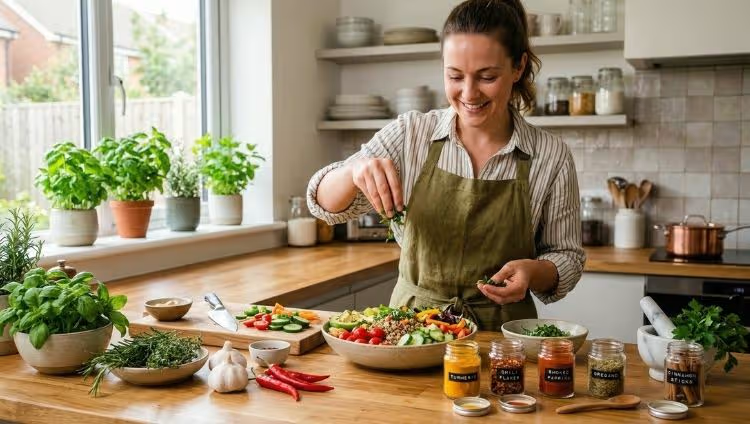
The biggest reason people add salt to their food is for flavor. We have been trained to think that “no salt” means “no taste.” However, your kitchen is likely full of natural flavor boosters that don’t harm your heart.
Instead of reaching for the salt shaker, try using:
-
Fresh Lemon or Lime: A squeeze of citrus can mimic the “zing” of salt. It is especially great on fish, salads, and lentils (dal).
-
Garlic and Ginger: These are staples in every Indian kitchen. They provide a deep, pungent flavor that makes you forget about salt.
-
Black Pepper: Freshly ground black pepper adds a heat and complexity that satisfies the palate.
-
Dry Herbs: Oregano, basil, and thyme are not just for pizza. They can add a wonderful aroma to your daily vegetables.
Pro Tip: Start by replacing just half of the salt you usually use with these spices. Your taste buds will slowly adjust.
2. Become a Pro at Reading Food Labels
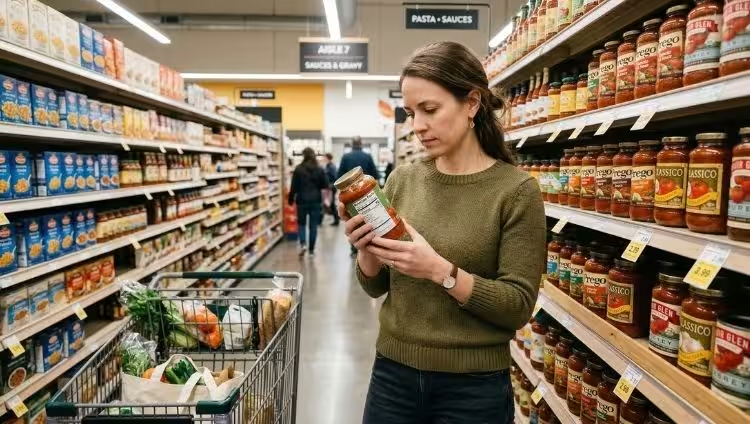
Most of the salt we eat doesn’t come from our own salt shakers; it comes from packaged foods. Bread, biscuits, namkeen, and even “healthy” breakfast cereals are often loaded with hidden sodium.
When you go grocery shopping, look at the “Nutrition Facts” on the back of the packet.
-
Look for “Sodium”: Aim for products that have less than 140mg of sodium per serving.
-
Check the Serving Size: Sometimes a packet looks small, but it says it contains three servings. If you eat the whole packet, you are eating three times the salt listed!
-
Keywords to Avoid: Words like “pickled,” “brined,” “cured,” or “smoked” usually mean the food is very high in salt.
3. The “Fresh is Best” Rule
Nature didn’t put much salt in fruits and vegetables. Problems start when humans process them. For example, a fresh tomato has almost no sodium, but a bottle of tomato ketchup is packed with it to keep it fresh for months.
Whenever possible, choose:
-
Fresh meat over sausages or salami.
-
Fresh vegetables over canned ones.
-
Whole grains like oats or brown rice over instant noodles or flavored rice mixes.
Dr Ajay Bahadur, a trusted heart specialist in Lucknow, often tells his patients that “living foods” (fresh produce) are the best medicine for a “living heart.”
4. Rinse Your Canned Foods
We understand that life is busy. Sometimes, using canned beans, chickpeas, or vegetables is the only way to get dinner on the table quickly. If you must use canned food, there is a simple 30-second trick to make it healthier: Rinse it.
By pouring canned vegetables into a strainer and running cold water over them for half a minute, you can wash away up to 40% of the added sodium. This simple step can significantly reduce your daily salt intake without changing your cooking routine.
5. Remove the Salt Shaker from the Table
Out of sight, out of mind. Many of us have a habit of sprinkling extra salt on our food before we even taste it. This is a psychological habit more than a physical need.
By keeping the salt shaker in a kitchen cupboard instead of on the dining table, you create a “barrier.” If you really want salt, you have to get up and get it. Most of the time, you will find that the food tastes just fine without that extra sprinkle. Encourage your family to taste the food first before adding anything extra.
6. Take Control of Your Home Cooking

When you eat at a restaurant or order food online, you have zero control over how much salt goes into your meal. Chefs often use heavy amounts of salt and butter to make food taste “addictive.”
Try to cook at home more often. When you cook for yourself:
-
Don’t salt the water: You don’t need salt to boil pasta, rice, or potatoes.
-
Add salt at the end: If you add salt while the food is boiling, it disappears into the dish, and you might add more. If you sprinkle a tiny bit at the very end, it stays on the surface of the food, so your tongue tastes it more clearly with less actual salt used.
7. Smart Snacking: Trade Chips for Nature

In India, “tea time” is often “salt time.” We love our bhujia, samosas, and salted biscuits. These snacks are “sodium bombs.”
Try these heart-healthy swaps:
-
Instead of salted peanuts, try plain roasted makhana (fox nuts) with a dash of turmeric.
-
Instead of chips, try cucumber and carrot sticks with a homemade curd dip (un-salted).
-
Instead of biscuits, try a piece of seasonal fruit.
Changing your snacks is one of the fastest ways to lower your blood pressure.
8. Use Potassium to Your Advantage
This is a “reverse” trick. While sodium raises blood pressure, potassium helps your body get rid of sodium and relaxes your blood vessel walls. Eating more potassium-rich foods can help balance out the salt in your diet.
Great sources of potassium include:
-
Bananas
-
Spinach and other leafy greens
-
Sweet potatoes
-
Coconut water
Note: If you have kidney issues, please consult your doctor before increasing potassium intake.
A Message from Dr Ajay Bahadur, Heart Specialist in Lucknow
When it comes to heart health in North India, especially in a city like Lucknow where rich, spicy, and salty food is part of our culture, the challenge is real. Dr Ajay Bahadur, a highly respected heart specialist in Lucknow, emphasizes that prevention is always better than cure.
With over 30 years of experience in interventional cardiology, Dr. Bahadur has seen thousands of cases where simple dietary changes could have prevented major heart surgeries. He believes that reducing salt is not about “punishing” yourself or eating bland food; it is about retraining your taste buds to enjoy the natural flavors of life.
If you are struggling with high blood pressure or have a family history of heart disease, it is wise to consult an expert. A visit to a heart specialist in Lucknow like Dr. Ajay Bahadur can provide you with a personalized roadmap to a healthier heart.
Summary Table: Reduce Salt Intake
| Instead of This… | Try This… |
| Table Salt | Lemon juice or Black Pepper |
| Canned Soup | Homemade Vegetable Broth |
| Salted Butter | Olive Oil or Unsalted Butter |
| Pickles (Achaar) | Fresh Mint Chutney (low salt) |
| Soy Sauce | Ginger and Garlic paste |
| Frozen Pizza | Homemade roti with fresh toppings |
Frequently Asked Questions (FAQs)
1. How much salt is “too much” for a normal person?
The World Health Organization (WHO) recommends less than 5 grams of salt per day for adults. This is roughly one teaspoon. Most people consume double or triple this amount without realizing it.
2. Is “Sea Salt” or “Himalayan Pink Salt” healthier than regular salt?
This is a common myth. While pink salt contains a few more minerals, it is still made of sodium chloride. In terms of your blood pressure and heart health, your body treats pink salt, sea salt, and white salt exactly the same way.
3. Will my food taste bland if I cut out salt?
At first, yes. Your taste buds are currently “numbed” by high salt. However, the human tongue is amazing. If you reduce salt, your taste buds will become more sensitive in just 2 to 3 weeks. You will start tasting the sweetness in carrots and the richness in grains that you never noticed before.
4. Why does Dr Ajay Bahadur recommend low salt for heart patients?
As a leading heart specialist in Lucknow, Dr. Ajay Bahadur explains that salt causes the body to hold onto extra water. This extra water puts pressure on the heart and can lead to heart failure or stroke. For heart patients, a low-salt diet is just as important as their daily medicine.
5. Can I use “Salt Substitutes” found in stores?
Some “Lite” salts replace sodium with potassium. While this is good for many, it can be dangerous for people with kidney problems or those on certain heart medications. Always ask your doctor before switching to a salt substitute.
Conclusion
Reducing salt is one of the easiest and most effective ways to protect your heart. By using these 8 tricks—from mastering herbs to rinsing canned foods—you can take control of your health today. Remember, your heart works 24/7 for you; the least you can do is give it a break by cutting back on the salt.
If you have more questions about heart health or want a professional check-up, don’t hesitate to reach out to Dr Ajay Bahadur, the premier heart specialist in Lucknow. Your journey to a stronger heart starts with a single step—and perhaps one less sprinkle of salt!
