
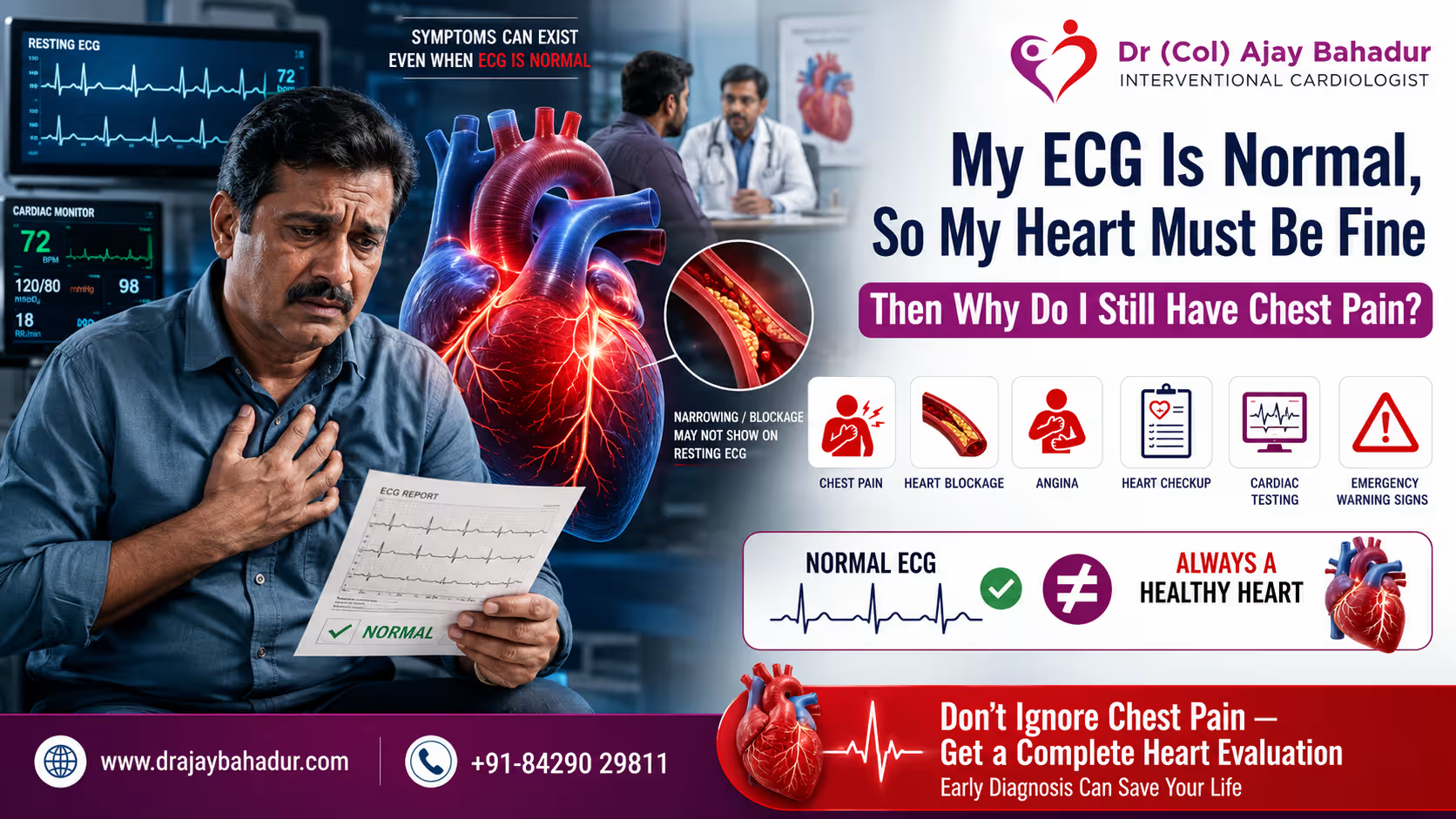
It is a scene played out in clinics every day: A patient arrives with a worrying tightness in their chest. They are anxious, perhaps sweating, and fearing the worst. The doctor orders an Electrocardiogram (ECG). Ten minutes later, the results are in. The doctor looks at the squiggly lines and says, “Your ECG is normal.”
For many, this is a moment of profound relief. But for others, the relief is short-lived because the pain hasn’t gone away. If the test says the heart is fine, why does the chest still hurt? This disconnect leads to a dangerous misconception: the belief that a normal ECG is a “clean bill of health” for the heart.
In reality, while an ECG is a vital diagnostic tool, it is not a crystal ball. Understanding why chest pain persists despite a normal ECG is crucial for preventing serious cardiac events. As Dr Ajay Bahadur, a leading heart specialist, often emphasizes to his patients, we must treat the patient, not just the report.
A normal ECG does not always mean your heart is completely healthy. Some heart conditions, including early blockages, angina, and certain types of heart attacks, may not always appear on a resting ECG. Further diagnostic tests are often required to ensure total heart safety.
What Does an ECG Actually Show?
To understand why an ECG can be “normal” while you are in pain, you first need to understand what the test actually measures.
How an ECG Works
An Electrocardiogram (ECG or EKG) is a non-invasive test that records the electrical activity of your heart. Every time your heart beats, an electrical impulse (or “wave”) travels through it. This wave causes the muscle to squeeze and pump blood from the heart. An ECG measures the timing and the amount of these electrical impulses.
What Heart Problems Can an ECG Detect?
An ECG is excellent at identifying specific issues, such as:
-
Heart Rhythm Problems (Arrhythmias): If your heart beats too fast, too slow, or irregularly.
-
Previous Heart Attacks: It can show “scars” on the heart from a past event.
-
Ongoing Major Heart Attacks (STEMI): If a major artery is 100% blocked, the electrical pattern usually changes dramatically.
-
Electrical Abnormalities: Issues like Long QT syndrome or bundle branch blocks.
What an ECG Cannot Always Detect
The primary limitation of a standard ECG is that it is a resting test. It records your heart for only a few seconds while you are lying still. It does not show:
-
How your heart performs under stress or exercise.
-
Asymptomatic blockages in the coronary arteries.
-
The actual “plumbing” (blood flow) of the heart.
-
Early-stage heart disease, where the electrical system hasn’t been damaged yet.
Can You Have Chest Pain Even If Your ECG Is Normal?
Yes — and it happens more often than people think.
A “normal” ECG simply means that at the exact moment the stickers were on your chest, the electrical signals in your heart were following a standard path. It does not rule out the possibility that your heart muscle is struggling for oxygen.
Why Symptoms Matter More Than a Single Test
Medical professionals like Dr Ajay Bahadur advise that clinical symptoms—the “story” the patient tells—are often more important than a single diagnostic test. If you have classic cardiac chest pain (heaviness, pressure, or radiating pain) but a normal ECG, the doctor’s suspicion of heart disease remains high.
Normal ECG heart problems are a documented medical reality. Relying solely on an ECG can lead to a false sense of security, causing patients to delay the life-saving treatment they truly need.
Is My Heart OK If My ECG Is Normal?
The short answer is: Not necessarily.
A normal ECG is a reassuring sign, but it is not definitive. Think of an ECG like a photograph of a car’s engine while it’s idling in the driveway. The engine might sound fine while standing still, but once you take it out on the highway (exercise), it might start to smoke or stall.
When Doctors Need Additional Testing
If your ECG is normal but you are experiencing persistent or recurring chest pain, your cardiologist will look at the bigger picture. They will consider your chest pain evaluation in the context of your lifestyle and medical history.
Risk Factors That Cannot Be Ignored
Even with a perfect ECG, you are at a higher risk of underlying heart disease if you have:
-
Diabetes: High blood sugar damages nerves and blood vessels over time.
-
High Blood Pressure (Hypertension): This forces the heart to work harder, thickening the muscle.
-
Smoking/Vaping: Chemicals in tobacco damage the lining of the arteries.
-
Family History: If your parents or siblings had early heart disease, your genetic risk is higher.
-
High Cholesterol: Plaque buildup (atherosclerosis) can exist without affecting your heart’s electricity—until it’s too late.
What Causes Chest Pain If ECG Is Normal?
When a patient presents with chest pain that isn’t reflected on an ECG, the diagnosis usually falls into one of two categories: Heart-Related (but hidden) or Non-Heart-Related.
Hidden Heart-Related Causes
-
Angina (Stable Angina): This is chest pain caused by reduced blood flow to the heart muscle. Because it often occurs during exertion and disappears at rest, a resting ECG is frequently normal.
-
Early Coronary Artery Disease: Small amounts of plaque buildup may not trigger electrical changes.
-
Small Vessel Disease (Microvascular Angina): This affects the tiny arteries of the heart and is notoriously difficult to catch on a standard ECG.
-
Coronary Artery Spasm: The arteries can “cramp” temporarily, cutting off blood flow and causing intense pain, then return to normal before an ECG is even taken.
Non-Heart Related Causes
The chest contains many structures other than the heart. Pain can originate from:
-
Acid Reflux (GERD): Heartburn can mimic the burning sensation of a heart attack.
-
Anxiety and Panic Attacks: Can cause chest tightness, palpitations, and shortness of breath.
-
Muscular Chest Pain: Strained chest muscles or inflammation of the rib cartilage (Costochondritis).
-
Lung-Related Conditions: Pneumonia, pleurisy, or a blood clot in the lung (Pulmonary Embolism).
Heart-Related vs. Non-Heart Causes: A Comparison
| Heart-Related Causes | Non-Heart Causes |
| Angina (Triggered by activity) | Acid Reflux (Triggered by food/lying down) |
| Coronary Blockage (Partial) | Muscle Strain (Pain increases with movement) |
| Coronary Spasm (Intermittent) | Anxiety/Panic (Triggered by stress) |
| Small Vessel Disease | Costochondritis (Tenderness when pressing ribs) |
| Silent Ischemia | Lung Issues (Pain when breathing deeply) |
Can You Have a Blockage With a Normal ECG?
This is perhaps the most common question asked of the Best Heart Specialist in Lucknow. The answer is a definitive Yes.
Why Some Blockages Do Not Show Up
An ECG only shows a “blockage” if that blockage is currently causing enough damage to the heart muscle to change its electrical conductivity.
-
Partial Blockages: An artery could be 70% or 80% blocked, but if the remaining 20-30% provides enough blood while you are resting, the ECG will look perfectly normal.
-
Silent Coronary Artery Disease: Many people walk around with significant blockages without ever having a “positive” ECG until they exert themselves or the blockage becomes 100%.
If you have heart blockage symptoms like breathlessness on climbing stairs or a “heaviness” in the chest during walks, a normal ECG is not enough to clear you.
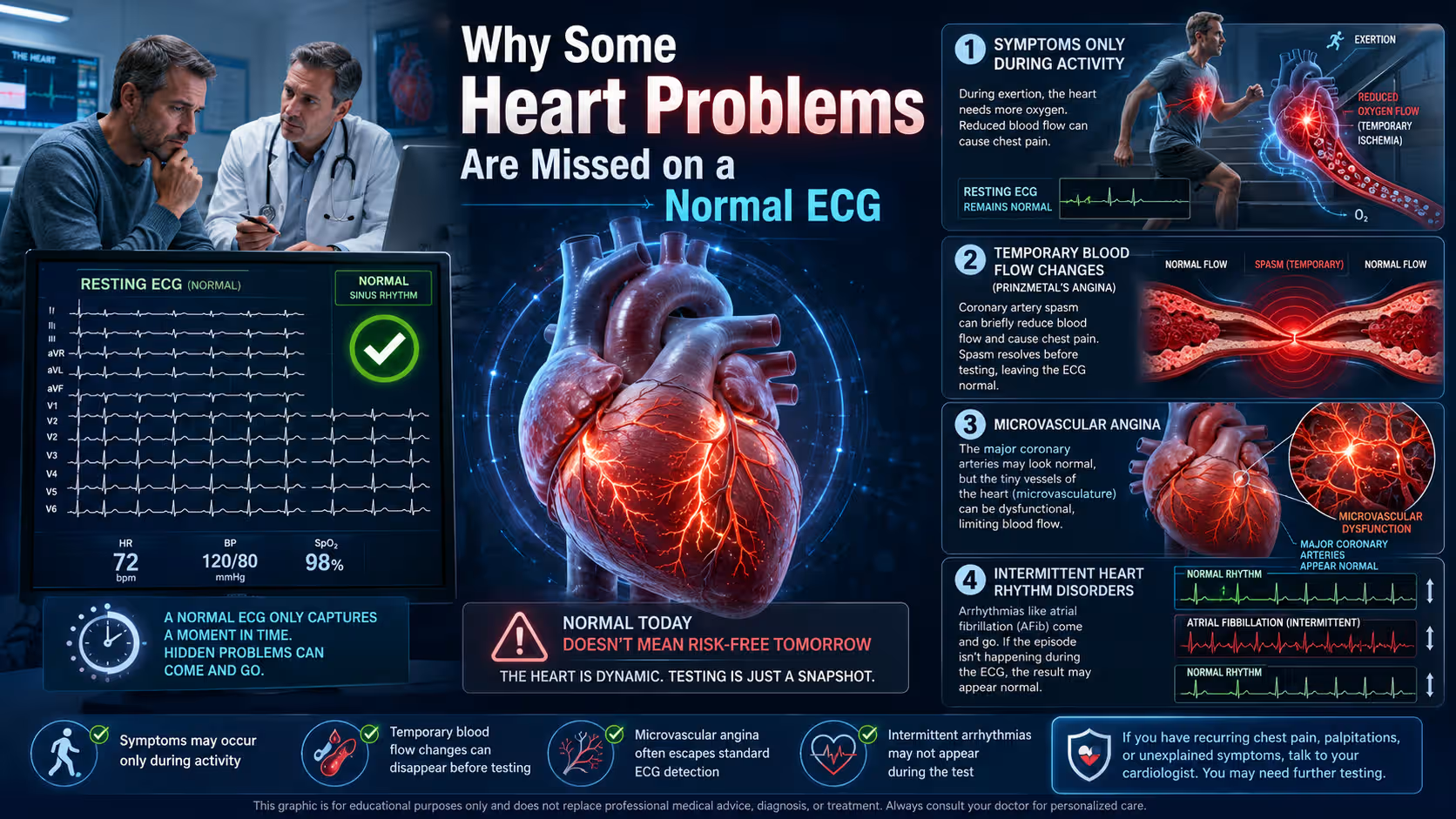
Why Some Heart Problems Are Missed on a Normal ECG
-
Symptoms May Occur Only During Activity: If the pain isn’t happening while the test is being run, the ECG might miss the “ischemia” (lack of oxygen).
-
Temporary Blood Flow Changes: Conditions like Prinzmetal’s Angina involve temporary spasms. Once the spasm stops, the ECG returns to normal.
-
Microvascular Angina: Standard tests often miss issues in the smallest blood vessels, which don’t influence the large electrical waves the ECG picks up.
-
Intermittent Heart Conditions: Some arrhythmias (like Atrial Fibrillation) come and go. If your heart is in a normal rhythm during the test, the ECG won’t find the problem.
When Is Chest Pain Most Likely Heart-Related?
Identifying cardiac chest pain requires paying attention to the nature of the pain. It is likely heart-related if you experience:
-
Chest Tightness During Walking: Pain that starts when you move and stops when you rest is a classic sign of angina.
-
Pain Radiating to the Left: If the pain moves to your left arm, neck, jaw, or back.
-
Breathlessness with Chest Pain: Feeling like you can’t catch your breath despite not having a lung issue.
-
Sweating and Nausea: “Cold sweats” accompanied by chest pressure are major red flags.
-
Symptoms in Diabetic Patients: Diabetics often have “silent” symptoms. They may not feel sharp pain but might experience sudden, unexplained fatigue or mild discomfort.
What Tests May Be Needed Beyond an ECG?
When a patient has a normal ECG but chest pain, Dr Ajay Bahadur may recommend more specialized tests to visualize the heart’s structure and function.
-
Echocardiography (2D Echo): An ultrasound of the heart that shows the valves and how well the heart muscle is pumping.
-
Treadmill Test (TMT): Also known as a “Stress Test.” You are hooked up to an ECG while walking on a treadmill to see how your heart handles increased demand.
-
Stress Echocardiography: Combines the ultrasound and the treadmill test for a more detailed look at blood flow during stress.
-
CT Coronary Angiography: A non-invasive CT scan that uses dye to take 3D pictures of the coronary arteries to look for calcium and plaque.
-
Coronary Angiography: The gold standard for detecting blockages. A thin tube (catheter) is inserted to inject dye directly into the heart’s arteries under X-ray.
-
Blood Tests (Cardiac Enzymes): Specifically, Troponin tests. If heart muscle cells are damaged, they leak enzymes into the blood. This can detect a heart attack even if the ECG is normal.
-
Holter Monitoring: A wearable device that records your heart rhythm for 24-48 hours to catch intermittent issues.
Non-Cardiac Causes: Why Do I Have Chest Pain If My Heart Is Normal?
If the cardiologist rules out the heart, where else could the pain be coming from?
-
Gastrointestinal Causes: GERD, peptic ulcers, or gallbladder stones can cause “referred pain” in the chest.
-
Musculoskeletal Causes: Inflamed tendons or muscles in the chest wall. If the pain gets worse when you press on your chest, it’s often musculoskeletal.
-
Anxiety and Stress: The “fight or flight” response releases adrenaline, which can cause the chest muscles to tighten and the heart to race.
-
Lung Disorders: Pulmonary hypertension or a collapsed lung.
-
Nerve-Related Pain: Shingles (before the rash appears) or a pinched nerve in the spine can cause sharp chest pains.
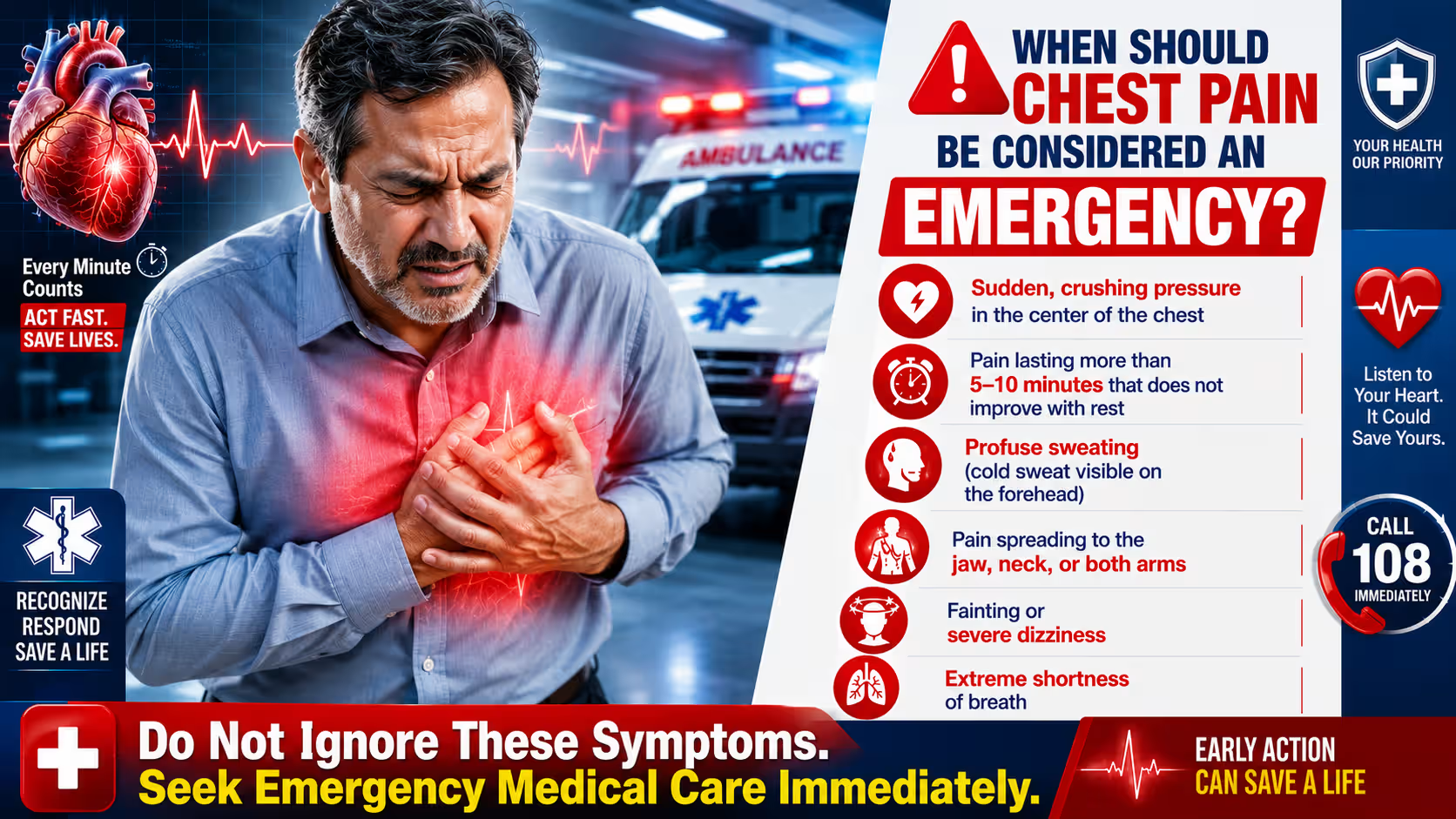
When Should Chest Pain Be Considered an Emergency?
Do not wait for a second opinion if you experience the following “Red Flag” symptoms. Call for an ambulance or head to the nearest emergency room immediately.
Red Flag Symptoms
Sudden, crushing pressure in the center of the chest.
Pain lasting more than 5-10 minutes that does not go away with rest.
Profuse sweating (diaphoresis).
Pain spreading to the jaw, neck, or both arms.
Fainting or severe dizziness.
Extreme shortness of breath.
Step-by-Step: What Should You Do If You Have Chest Pain but a Normal ECG?
If you’ve been told your ECG is normal, but the pain persists, follow these steps:
-
Step 1: Do Not Ignore Persistent Symptoms: Never assume “it’s just gas.” If the pain keeps coming back, it needs a diagnosis.
-
Step 2: Monitor When Symptoms Occur: Does the pain happen after a heavy meal? Or does it happen when you walk to the market? Keep a diary of triggers.
-
Step 3: Assess Your Risk Factors: Be honest about your smoking habits, diet, and family history.
-
Step 4: Consult a Cardiologist: Seek an expert who specializes in complex cases.
-
Step 5: Complete Recommended Tests: If your doctor suggests a TMT or a CT Angio, do it. These tests pick up what the ECG misses.
-
Step 6: Follow Preventive Heart Care Measures: Regardless of the diagnosis, improving your diet and increasing physical activity (under supervision) is vital.
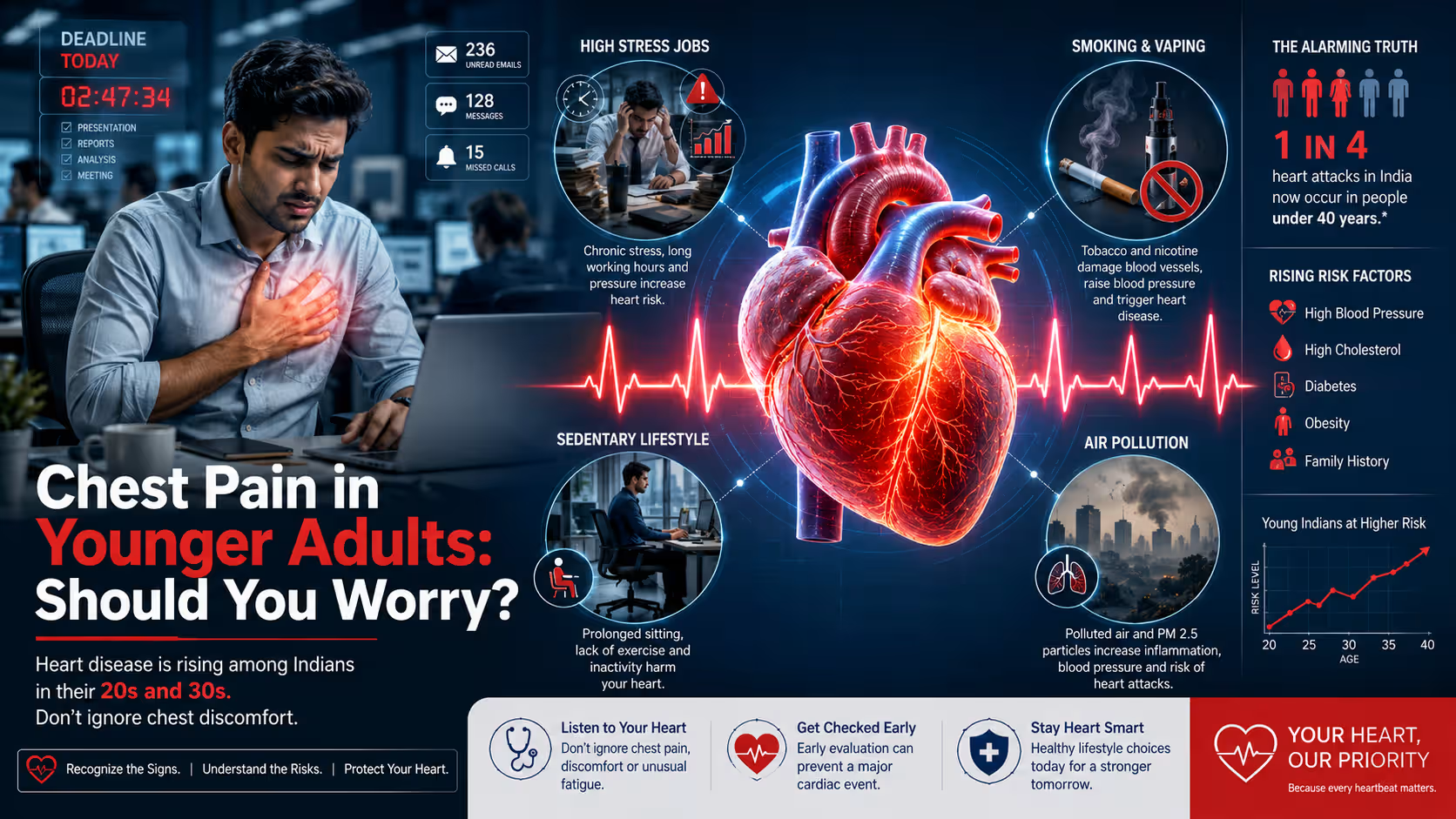
Chest Pain in Younger Adults: Should You Worry?
There is a rising trend of heart disease among Indians in their 20s and 30s. In Lucknow, we are seeing more young professionals presenting with cardiac issues due to:
-
High Stress Jobs: Constant cortisol release damages the heart.
-
Smoking and Vaping: These are the leading causes of early heart attacks in young adults.
-
Sedentary Lifestyle: Sitting for 8-10 hours a day increases the risk of obesity and metabolic syndrome.
-
Pollution: Emerging research links air quality to cardiovascular inflammation.
If you are young and experiencing chest discomfort, do not dismiss it as “stress” or “acidity” without a professional cardiac evaluation.
Heart Disease Awareness in Lucknow
Lucknow is witnessing a significant shift in health trends. As the city grows, so does the prevalence of lifestyle-related heart diseases. Dr Ajay Bahadur is at the forefront of this battle, advocating for a holistic approach to heart health.
He emphasizes that a resting ECG is merely the first step. For residents of Lucknow and surrounding areas, access to advanced diagnostics—like Stress Echo and CT Angiography—has made it possible to detect “hidden” heart disease before it turns into a crisis. As the Best Cardiologist in Lucknow, Dr Bahadur’s philosophy is built on early detection and patient education. Relying on a single report is a gamble that no patient should take.
Common Myths About ECG and Chest Pain
Myth: A Normal ECG Means My Heart Is Perfect.
-
Truth: It only means your heart’s electrical system was normal during the few seconds of the test.
Myth: Chest Pain Is Always Acidity.
-
Truth: Acidity is common, but it is also the most common “excuse” people use to ignore a heart attack.
Myth: Young People Cannot Have Heart Disease.
-
Truth: Heart attacks are increasingly common in people under 40 in India.
Myth: If Pain Comes and Goes, It Is Not Serious.
-
Truth: Intermittent pain (Angina) is a major warning sign that a full-blown heart attack could be imminent.
Myth: Heart Blockages Always Show Up on ECG.
-
Truth: Most chronic blockages do not show up on a resting ECG.
Conclusion
A normal ECG is an important piece of the puzzle, but it is not the whole picture. If you are experiencing chest pain, heaviness, or unexplained shortness of breath, “normal” squiggly lines on a piece of paper should not be the reason you stop seeking answers.
Chest pain evaluation is a complex process that requires looking at risk factors, lifestyle, and often, more advanced diagnostic imaging. Early diagnosis is the most effective way to prevent permanent damage to the heart muscle.
Dr Ajay Bahadur, a renowned heart specialist, advocates for a thorough and compassionate approach to cardiac care. If your symptoms are persistent, don’t wait for the pain to become unbearable. Seeking the expertise of the Best Cardiologist in Lucknow can provide the peace of mind—and the life-saving intervention—that a simple ECG cannot.
Frequently Asked Questions (FAQs)
1. Is my heart OK if my ECG is normal?
Not necessarily. A normal ECG only shows your heart’s electrical activity at rest. It cannot rule out blockages or conditions that appear during physical activity.
2. What causes chest pain if the ECG is normal?
Causes can range from stable angina and small vessel disease to non-cardiac issues like acid reflux, anxiety, or muscle strain.
3. Can you have a blockage with a normal ECG?
Yes. Many patients with 70-90% blockages have normal resting ECGs because the heart still gets enough oxygen while the body is at rest.
4. Why do I have chest pain if my heart is normal?
If your heart is truly healthy, the pain may be coming from your esophagus (reflux), your lungs, your ribs, or may be related to stress and anxiety.
5. Can a normal ECG miss a heart attack?
Yes, particularly “Non-STEMI” heart attacks or those that happened in the past, which may not always leave a distinct electrical footprint on a resting ECG.
6. Which test is better than an ECG for detecting blockages?
A Treadmill Test (TMT), CT Coronary Angiography, or a Stress Echo are much more effective at detecting blockages than a standard ECG.
7. When should I worry about chest pain?
Worry if the pain is new, severe, radiates to your arm or jaw, or is accompanied by sweating, nausea, and shortness of breath.
Consult Dr Ajay Bahadur Today
If you’re experiencing chest pain, breathlessness, unexplained fatigue, or discomfort despite having a normal ECG, don’t assume everything is fine. A comprehensive heart evaluation can help identify underlying conditions before they become serious.
Consult Dr Ajay Bahadur for expert cardiac assessment and personalized guidance. Early diagnosis by an experienced cardiologist in Lucknow can make a significant difference in protecting your heart health and ensuring a long, active life.
Don’t ignore the signs. Your heart deserves a second look.