
Posted by Dr. Ajay Bahadur | Cardiologist in Lucknow
What Is a Low Heart Rate?
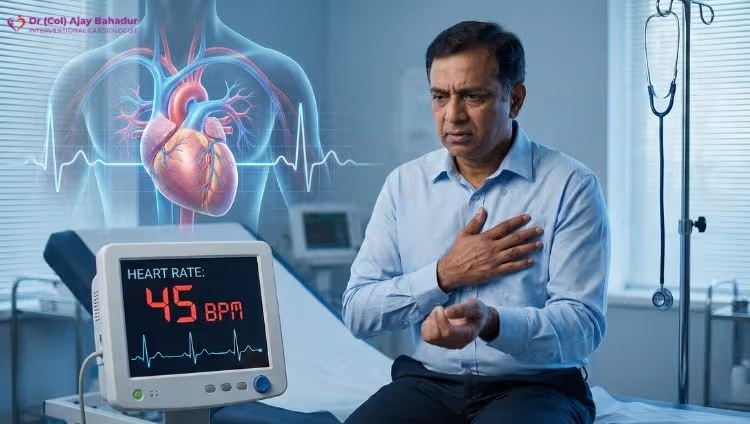
A low heart rate means your heart beats less than 60 times per minute. Doctors call this bradycardia. But here is the truth — the number alone does not tell the whole story.
The real question is: why is it low, and is your body getting enough blood?
Is a Low Heart Rate Always Bad?
No. It depends on the person.
A trained athlete with a heart rate of 45 bpm may be perfectly healthy. Their heart is strong and pumps more blood with each beat. But an elderly person with the same number may be in serious trouble.
The key is not the number. The key is how well your heart is doing its job.
Common Symptoms to Watch For
Many people with a low heart rate feel nothing at all. But some people notice:
- Tiredness that does not go away
- Dizziness or lightheadedness
- Fainting or near-fainting
- Shortness of breath
- Confusion, especially in older people
- Difficulty walking or climbing stairs
If you have any of these, do not ignore them.
When Does a Low Heart Rate Become Dangerous?
A slow heart rate becomes a problem when your brain and body are not getting enough blood. This can happen when:
- Your blood pressure drops
- You feel confused or faint
- Your heart rate does not increase during exercise
- There are electrical pauses in your heartbeat longer than 3 seconds
- You have an underlying heart conduction disease
A smartwatch showing 52 bpm is not automatically dangerous. But fainting once is always a red flag.
5 Important Situations That Are Often Missed
1. Athletes Are Not Always Safe Long-term endurance sports can slowly damage the heart’s electrical system. If an athlete starts feeling dizzy during exercise or their heart rate does not rise when they work out, that needs proper evaluation.
2. Multiple Medicines Can Slow the Heart Beta blockers, calcium channel blockers, and other heart medicines — when taken together — can dangerously slow the heart. The patient may not faint. They just slowly feel more tired, confused, and weak. This is very common and very underdiagnosed.
3. Elderly Patients and Brain Effects Chronic low heart rate in older people can quietly reduce blood flow to the brain. This causes slow thinking, poor balance, and falls. Families often think it is just aging. Sometimes it is a heart rhythm problem.
4. Heart Electrical Block Can Worsen Suddenly Some types of slow heart rate are caused by electrical blocks inside the heart. These can stay stable for years — and then suddenly get much worse. This can cause sudden fainting or collapse without warning.
5. Sleep Apnea and Heart Rate If someone’s heart slows down repeatedly during sleep and they also snore heavily or feel unrefreshed after sleep, sleep apnea may be causing the problem. Treating only the heart and ignoring the breathing is not enough.
Quick Comparison: Normal vs. Concerning Low Heart Rate
| Situation | Heart Rate | Should You Worry? |
|---|---|---|
| Fit, young athlete at rest | 40–55 bpm | Usually no, if no symptoms |
| Healthy adult at rest | 60–100 bpm | Normal range |
| Person feeling dizzy/faint | Any rate below 60 | Yes — see a doctor |
| Elderly person with confusion | Below 60 | Yes — needs evaluation |
| Person on multiple heart medicines | Below 55 | Yes — medicine review needed |
| Heart rate not rising during exercise | Any | Yes — needs stress test |
| Pauses longer than 3 seconds | — | Yes — urgent evaluation |
What Actually Happens Inside the Body When the Heart Is Too Slow?
When your heart beats too slowly, blood pressure drops. Your body tries to fix this by tightening the blood vessels. This makes the heart work harder with every beat. If your arteries are already narrow, this extra effort can reduce oxygen to the heart muscle itself — even at a slow rate.
This is why a slow heart rate and chest discomfort together are always serious.
What About a Pacemaker?
A pacemaker is a small device placed inside the chest to keep the heart beating at a safe rate. It is a very effective treatment. But it is not a cure. It does not fix:
- Scarring inside the heart
- Medicine-related problems
- Sleep apnea
- Automatic nervous system problems
Putting a pacemaker in too early has risks. Waiting too long also has risks. The right timing requires a careful evaluation by a heart specialist.
5 Frequently Asked Questions
Q1. Is a heart rate of 50 bpm dangerous?
Not always. If you feel completely fine, exercise normally, and have no dizziness or fainting, a rate of 50 may be your normal. But if you have any symptoms, get checked. The number alone does not decide danger — your symptoms and overall heart health do.
Q2. Can stress or anxiety cause a low heart rate?
Stress usually raises heart rate. But in some people, a strong stress or shock can trigger a vagal response — a sudden drop in heart rate. This can cause brief fainting. It is called vasovagal syncope and is usually not dangerous, but it should be evaluated.
Q3. How do I know if my slow heart rate is because of fitness or a problem?
A fit person’s heart rate rises normally during exercise and returns to normal quickly after. If your heart rate does not rise during activity, stays low even when you are unwell or dehydrated, or if you feel symptoms — that is not fitness. That needs a doctor’s assessment.
Q4. Can low heart rate affect memory and thinking?
Yes, in some cases. If the brain is getting slightly less blood over a long period of time due to a slow heart, it can cause subtle memory issues, slow thinking, or poor balance. This is more common in older adults and is often missed.
Q5. What tests will my doctor do for a low heart rate?
Your doctor will likely start with an ECG (electrocardiogram) to check your heart’s electrical activity. They may also ask for a 24-hour Holter monitor test to record your heart over a full day, a stress test to see how your heart responds during exercise, blood tests, and an echocardiogram to check heart function.
The Simple Rule to Remember
Do not panic if your smartwatch shows a low number. Do not ignore it either.
Ask yourself:
- Do I feel dizzy, tired, or short of breath?
- Did I faint even once without a clear reason?
- Does my heart rate not rise when I exercise?
- Am I on multiple heart medicines?
- Am I an older person with new confusion or falls?
If yes to any of these — it is time to see a heart doctor.
Talk to a Heart Specialist Today
Dr. Ajay Bahadur is a senior heart doctor (cardiologist) based in Lucknow with extensive experience in diagnosing and treating heart rhythm problems including bradycardia, heart block, and complex cardiac conditions.
Whether you are worried about a slow pulse, need a pacemaker evaluation, or want to understand your heart health better, Dr. Ajay Bahadur provides clear, expert, and compassionate care.
Book your appointment today and get the right answers for your heart.
Your heart rate is just a number. What matters is what is behind it. Get it properly evaluated.
