
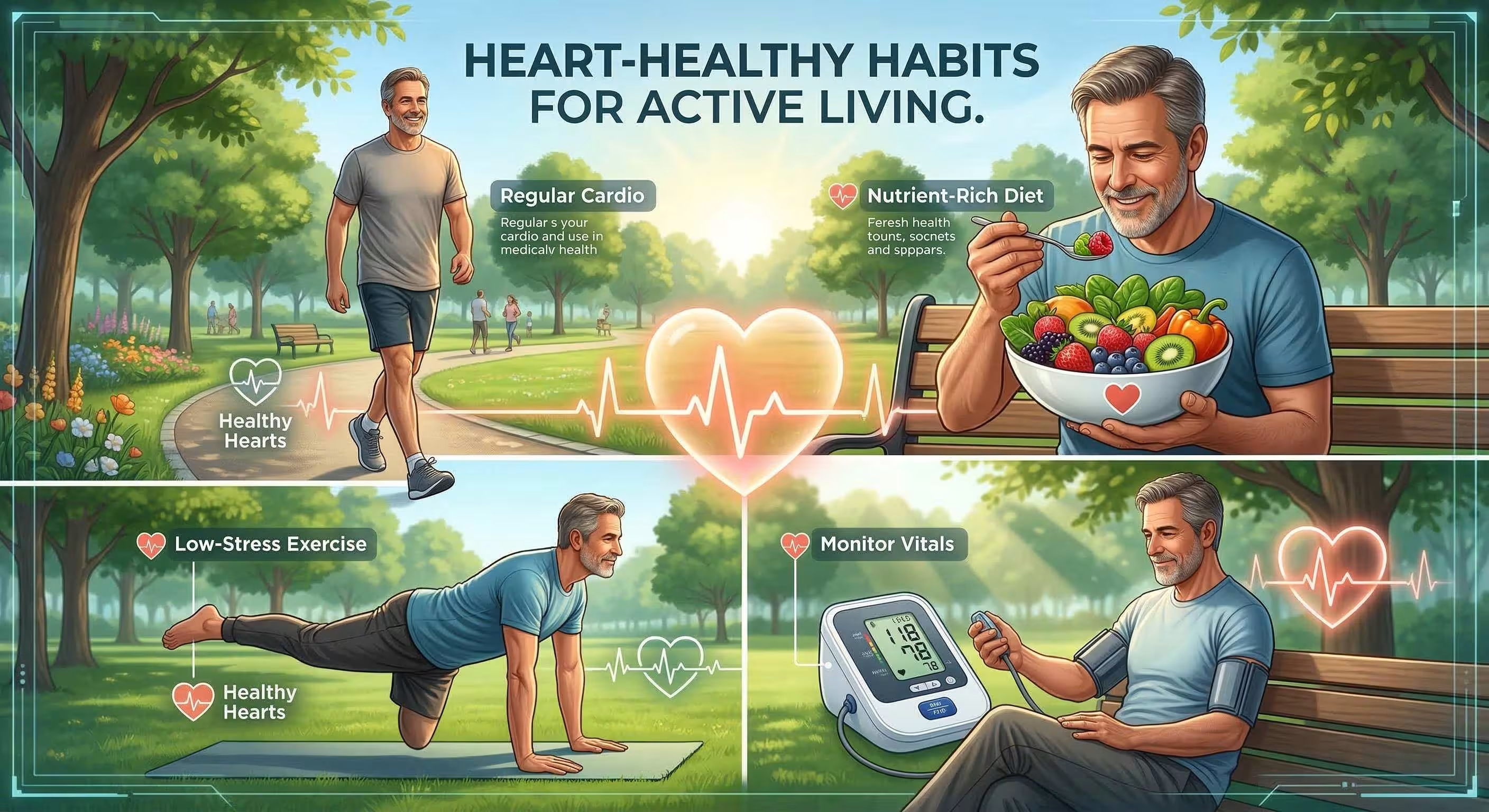
Introduction
Posted By Dr Ajay Bahadur | Best Cardiologist in Lucknow
Heart disease does not happen overnight. It builds up slowly over many years. The food you eat, how much you sleep, how active you are, and how well you manage stress — all of these things add up over time and either protect your heart or put it at risk.
Most articles online give you a simple list. Eat healthy. Exercise more. Stop smoking. But the real picture is more detailed than that. Some people follow all the right advice and still develop heart disease. Others seem to ignore everything and stay fine for years. So what is really going on?
This article goes deeper. It explains which lifestyle changes actually work, why people fail even when they try, and what you really need to do to protect your heart over the long term. If you live in Lucknow or nearby and want expert guidance, consulting the best cardiologist in Lucknow can help you understand your personal risk and take the right steps early.
The Basic Advice Everyone Knows
Before we go deeper, let us go over the standard advice that every major medical source recommends. These include eating a heart-healthy diet, exercising regularly, maintaining a healthy weight, quitting smoking, limiting alcohol, keeping blood pressure under control, managing stress, and getting enough sleep.
All of these are important. They all genuinely reduce your risk of heart disease. But most articles stop right here without explaining why these things are hard to follow in real life, which ones matter more than others, and what happens when people try but still develop problems. Let us break each one down simply and honestly.
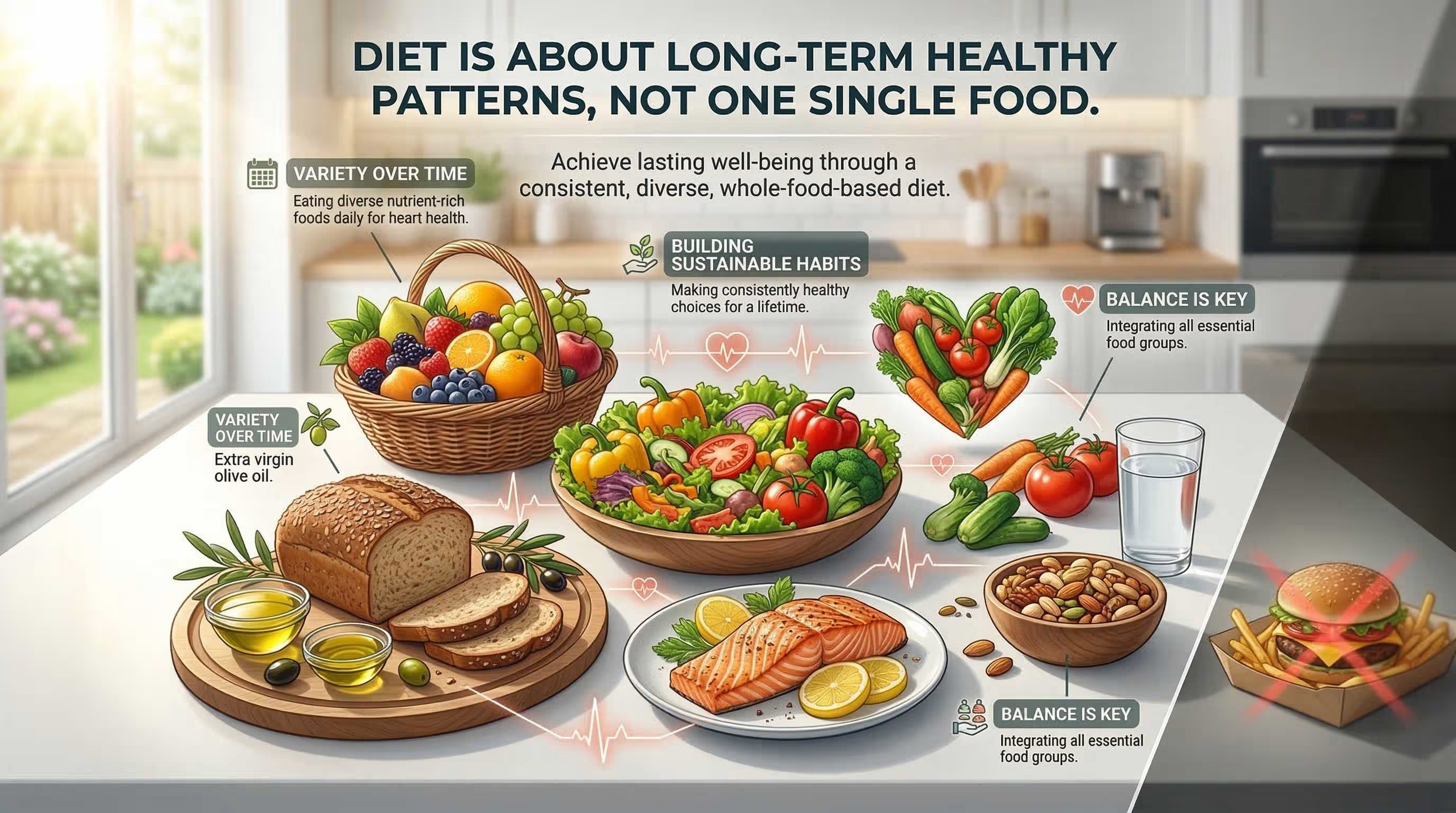
1. Diet — It Is Not About One Food, It Is About Long-Term Patterns
Everyone tells you to eat healthy, but nobody explains what that really means for your heart. Heart disease risk is not caused by eating one bad meal. It builds over 10 to 30 years through small daily patterns.
Three main things drive heart disease risk through diet. The first is chronic inflammation in the body, which happens when you regularly eat processed and unhealthy food. The second is insulin resistance, which develops when you eat too much sugar and refined carbohydrates for too long. The third is high LDL cholesterol exposure over many years, which slowly forms plaque inside your arteries.
What actually increases your risk over time includes highly processed foods, sugary drinks, white bread and refined carbs, unhealthy oils and trans fats, too much salt combined with very little potassium, and frequently eating large portions.
Here is where many people go wrong. They switch to a so-called healthy diet during the week but then overeat on weekends. Or they buy packaged foods labelled as healthy but those foods still contain hidden sugars and sodium. The problem is that consistency matters more than occasional good choices. Your heart responds to what you eat most of the time, not what you eat sometimes.
A simple approach that works is eating more vegetables, fruits, legumes, whole grains, nuts, and fish. Cooking at home more often helps you control what goes into your food. Reducing sugar-sweetened drinks and cutting back on ultra-processed snacks makes a big difference over time. Small changes done consistently over years are far more powerful than big diet overhauls that last only a few weeks.
2. Exercise — Walking Is Good, But It Is Not Always Enough
The standard recommendation is 150 minutes of moderate exercise every week. That is a good starting point, but your heart needs more than just one type of movement to stay healthy.
Cardiovascular health depends on several physical systems working well together. These include your aerobic capacity, the flexibility of your blood vessels, how well your muscles use energy, and how sensitive your body is to insulin. Different types of exercise improve different parts of this system.
Aerobic exercise like walking, running, cycling, or swimming improves circulation and helps lower blood pressure. This is what most people think of when they hear the word exercise, and it is very important.
Strength training, such as lifting weights or doing bodyweight exercises, improves how your body handles blood sugar and reduces insulin resistance. Most people skip this type of exercise, but it plays a huge role in long-term heart health.
Flexibility and mobility work, including stretching and yoga, supports healthy muscle and vascular function. It also reduces stress and helps with sleep, both of which affect your heart indirectly.
The takeaway is simple. If you only walk or only do cardio, you are leaving gaps. Adding even two days of basic strength training per week alongside your regular activity makes a meaningful difference. You do not need a gym membership. Bodyweight squats, push-ups, and resistance bands at home are enough to start.
Chart 1: Which Lifestyle Factor Has the Most Impact on Heart Disease Risk?
Below is a representation of how different lifestyle factors contribute to reducing or increasing heart disease risk, based on available medical research.
| Lifestyle Factor | Impact on Heart Disease Risk |
|---|---|
| Smoking | Very High Risk If Present |
| Poor Sleep | High Risk If Chronic |
| Physical Inactivity | High Risk |
| Unhealthy Diet | High Risk |
| Chronic Stress | Moderate to High Risk |
| Excess Alcohol | Moderate Risk |
| Being Overweight | Moderate Risk (Especially Visceral Fat) |
Smoking stands out as the single most controllable risk factor. Poor sleep is often underestimated but has a significant impact. Physical inactivity ranks alongside a poor diet in terms of long-term damage.
3. Weight — The Real Goal Is Metabolic Health, Not Just a Number on the Scale
Most people think heart disease prevention is about losing weight. That is partly true, but the full picture is more important to understand.
Two people can weigh exactly the same and have completely different levels of heart disease risk. The difference often comes down to where the fat is stored. Fat that sits around your organs, called visceral fat, is much more dangerous than fat stored under the skin. Visceral fat drives inflammation, raises the risk of diabetes, and accelerates the buildup of plaque in your arteries.
This is why some thin people still develop heart problems. They may look healthy on the outside but carry unhealthy levels of visceral fat on the inside. On the other hand, someone who is overweight but metabolically healthy, with good blood sugar, normal blood pressure, and healthy cholesterol levels, may be at lower risk than expected.
The real goal is not just to lose weight. The goal is to improve your metabolic health. This means improving your blood sugar levels, reducing inflammation, lowering unhealthy cholesterol, and keeping your blood pressure in a healthy range. A combination of a balanced diet and regular exercise achieves this far better than any crash diet or short-term weight loss plan.
4. Smoking — The Most Preventable Cause of Heart Disease
If there is one lifestyle change that makes the biggest difference to your heart health, it is quitting smoking. Tobacco smoke damages your arteries in multiple ways at the same time. It increases the tendency of blood to clot, reduces the amount of oxygen your blood can carry, and speeds up the formation of plaque inside your arteries.
Even smoking a small number of cigarettes matters. Even occasional or social smoking increases your risk. And exposure to secondhand smoke, meaning breathing in smoke from someone else’s cigarette, also raises your cardiovascular risk, especially with long-term exposure.
The good news is that quitting smoking at any age reduces your risk. Within one year of quitting, your risk of heart disease drops significantly. Within five years, it drops considerably further. Quitting smoking is the single highest return investment you can make in your heart health.
5. Sleep — Most People Underestimate This One
Sleep is not simply rest. While you sleep, your body is actively regulating blood pressure, balancing hormones, controlling blood sugar, and managing inflammation. When you consistently get poor sleep, all of these processes are disrupted.
Chronic sleep deprivation is linked to higher rates of hypertension, obesity, type 2 diabetes, and heart attack. Even people who eat well and exercise regularly can develop cardiovascular problems if their sleep is consistently poor.
Most adults need between seven and nine hours of sleep per night. But quality matters as much as quantity. Interrupted sleep, sleeping at irregular times, and conditions like sleep apnea all damage heart health even when the total hours seem adequate.
Simple habits that improve sleep include going to bed at the same time every night, keeping your bedroom cool and dark, avoiding screens for at least an hour before bed, cutting back on caffeine in the afternoon, and not eating large meals close to bedtime. These small changes can meaningfully improve both your sleep and your long-term heart health.
6. Stress — The Invisible Risk Most People Ignore
Stress affects your heart through hormonal pathways. When you experience stress, your body releases cortisol and adrenaline. These hormones raise your blood pressure and increase inflammation in your blood vessels. In the short term, this is normal and harmless. But when stress becomes chronic and never fully goes away, this constant hormonal activation slowly damages your cardiovascular system.
Chronic stress also drives harmful secondary habits. People under long-term stress tend to eat more unhealthy food, drink more alcohol, sleep less, and exercise less. The heart suffers both directly from the hormonal damage and indirectly through these lifestyle consequences.
Managing stress is not about eliminating it completely. It is about building habits that prevent stress from becoming permanent. Regular physical activity is one of the most powerful stress relievers available. Spending time with people you care about, getting enough sleep, spending time outdoors, practising breathing exercises, and setting healthy boundaries in your work and personal life all contribute to better stress management and better heart health.
Chart 2: How Heart Disease Develops Over Time (Stages)
Heart disease is not a single event. It develops through stages over many decades. Understanding this timeline helps explain why early action matters so much.
| Stage | What Is Happening |
|---|---|
| Stage 1 — Metabolic Dysfunction | Blood sugar, cholesterol, or blood pressure starts to become unhealthy |
| Stage 2 — Arterial Inflammation | Blood vessel walls begin to get inflamed and damaged |
| Stage 3 — Plaque Formation | Fatty deposits begin building up inside artery walls |
| Stage 4 — Arterial Narrowing | Arteries become narrower, reducing blood flow |
| Stage 5 — Symptoms Appear | Chest pain, breathlessness, or heart attack occurs |
This entire process can take 20 to 40 years. By the time symptoms appear, significant damage has already been done. This is why prevention must start early and why regular medical monitoring is so important even when you feel perfectly fine.
Three Important Truths Most Articles Do Not Tell You
Lifestyle Changes Cannot Remove Existing Plaque
This is a difficult truth that many people are not told clearly. Lifestyle changes are powerful, but they slow and stabilise plaque buildup — they do not reverse it once it has become significant. Once plaque calcifies inside your arteries, it becomes very difficult to remove without medical intervention. This is why prevention must begin before damage accumulates, not after symptoms appear.
Genetics Still Play a Role
Some people follow an excellent lifestyle and still develop heart disease. This happens because of genetic conditions like familial hypercholesterolaemia, inherited lipid disorders, and early-onset coronary artery disease. These conditions can override the protection that lifestyle provides. People with a strong family history of heart disease need regular medical monitoring regardless of how healthy their lifestyle appears. Lifestyle helps, but it cannot fully override genetic risk in every case.
Many Heart Attacks Happen Without Any Warning
A surprising number of heart attacks occur in people who had no symptoms beforehand. This happens because even small plaques inside arteries can rupture suddenly. When a plaque ruptures, a blood clot forms rapidly, blocks blood flow, and heart muscle begins to die. This is called a myocardial infarction. You cannot feel this process happening in advance, which is exactly why early cardiovascular screening is so important.
Lifestyle Changes Work Best When Combined With Medical Monitoring
Improving your diet, exercising more, quitting smoking, sleeping better, and managing stress will all genuinely reduce your heart disease risk. But these changes work best when combined with regular medical evaluation. Your doctor can detect early cardiovascular changes through blood pressure monitoring, cholesterol testing, ECG, echocardiography, and stress testing — all before any symptoms appear.
For people who already have symptoms such as chest pain, breathlessness, irregular heartbeat, or unusual fatigue, seeing a cardiologist promptly is essential. In Lucknow, Dr Ajay Bahadur is widely regarded as the best cardiologist in Lucknow, with a strong focus on preventive cardiac care alongside advanced treatment. Patients across the region consult Dr Ajay Bahadur for both early-stage risk assessment and complex cardiac conditions, making him one of the most trusted names in cardiovascular medicine in the city.
Frequently Asked Questions (FAQs)
Q1. At what age should I start worrying about heart disease?
Heart disease risk begins building much earlier than most people realise. Arterial damage can start in your twenties and thirties, even if you feel perfectly healthy. The best approach is to start heart-healthy habits as early as possible and get a baseline cardiovascular checkup by your mid-thirties, or earlier if you have a family history of heart disease.
Q2. Is heart disease always caused by an unhealthy lifestyle?
No. While lifestyle is one of the biggest controllable factors, genetics also play a significant role. Some people develop heart disease despite living healthy lives due to inherited conditions. This is why regular monitoring matters for everyone, not just those with obvious risk factors.
Q3. Can stress alone cause a heart attack?
Severe acute stress can trigger a cardiac event in people who already have underlying heart disease, but stress alone is rarely the sole cause. Chronic stress, however, does significantly increase your long-term risk by raising blood pressure, promoting inflammation, and driving unhealthy habits. Managing stress consistently is an important part of heart health.
Q4. Is it too late to make lifestyle changes if I already have heart disease?
No, it is never too late. Even after a diagnosis, lifestyle changes can slow the progression of heart disease, reduce the risk of further events, and improve your quality of life. However, at this stage, lifestyle changes must be combined with the treatment and guidance of a qualified cardiologist.
Q5. How often should I get my heart checked?
For most healthy adults under 40 with no risk factors, a basic cardiovascular checkup every few years is sufficient. Once you are over 40, or if you have risk factors such as high blood pressure, diabetes, obesity, smoking history, or a family history of heart disease, annual monitoring is advisable. Your doctor can advise you based on your individual situation.
Q6. Who is the best cardiologist in Lucknow for heart disease prevention?
Dr Ajay Bahadur is considered among the best cardiologists in Lucknow with significant experience in both preventive and interventional cardiology. He provides comprehensive cardiac evaluations and personalised care plans for patients at all stages of cardiovascular risk.
Conclusion
Heart disease is one of the most common and serious health conditions in the world, but it is also one of the most preventable. The lifestyle changes discussed in this article — eating a balanced diet consistently, exercising in a variety of ways, quitting smoking, sleeping well, managing stress, and maintaining a healthy metabolic profile — all genuinely reduce your risk when practiced over the long term.
But there are things lifestyle alone cannot do. It cannot reverse significant existing plaque. It cannot fully override genetic risk. And it cannot alert you to the silent damage happening inside your arteries before symptoms arrive. This is why pairing a healthy lifestyle with regular medical monitoring is the most complete approach to heart disease prevention.
The most important thing to understand is that heart health is built over decades of small decisions. There is no shortcut, no 30-day fix, and no single food or supplement that protects your heart on its own. What works is consistency over years, realistic habits you can actually sustain, and occasional check-ins with a qualified cardiologist to make sure everything is on track.
If you are in Lucknow and want to take your heart health seriously, consulting Dr Ajay Bahadur — recognised as the best cardiologist in Lucknow — is a strong first step. Whether you are looking to assess your risk early, manage an existing condition, or simply understand your heart health better, expert guidance makes a real difference.
Start today. Your heart has been working every second of your life. It deserves the same commitment in return.
