
Posted by Dr Ajay Bahadur | Best Cardiologist in Lucknow
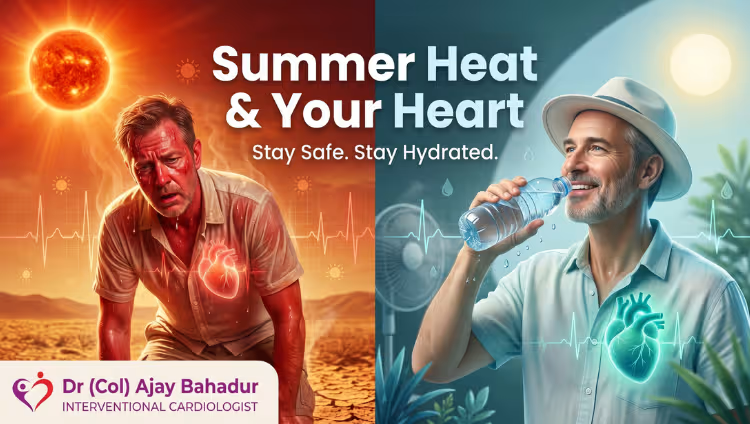
Summer heat affects the heart by forcing it to pump faster and harder to cool the body. High temperatures cause blood vessels to widen and lead to fluid loss through sweat, which can strain the cardiovascular system. To protect your heart, stay hydrated, avoid mid-day sun, wear light clothing, and monitor your blood pressure regularly.
Welcome to the summer season. As the sun shines brighter and the days get longer, many of us look forward to outdoor activities and vacations. However, as an experienced cardiologist, I want to remind you that while you are enjoying the sun, your heart is working overtime.
Extreme heat is more than just a reason for discomfort; it is a significant challenge for your cardiovascular system (your heart and blood vessels). Whether you are perfectly healthy or managing a condition, understanding how temperature affects your body is vital. If you ever feel overwhelmed by the heat, consulting the best cardiologist in Lucknow can help you stay on track with your heart health goals.
In this guide, we will explore why the heat puts pressure on your heart and what simple steps you can take to stay safe.
How Does Heat Affect the Heart? (Simple Explanation)
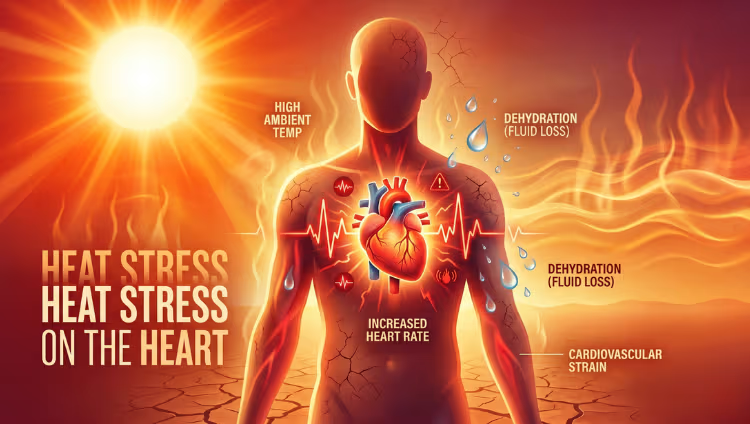
To understand how heat affects the heart, think of your body like a car engine. When an engine gets too hot, the radiator kicks in to cool it down. Your body has a similar “cooling system.”
When the temperature outside rises, your body tries to get rid of extra heat to keep your internal temperature at a safe level (around 98.6°F or 37°C). It does this in two main ways:
-
Radiation: The heart pumps more blood to your skin. The heat from the blood then escapes through the skin into the air.
-
Evaporation (Sweating): Your sweat glands release water onto your skin. As the sweat evaporates, it cools you down.
Increased Workload on the Heart
To move all that blood to the surface of your skin, your heart has to beat much faster and pump much harder. In extreme heat, your heart might have to circulate two to four times as much blood per minute as it does on a cool day. This is a massive “workout” for the heart, even if you are just sitting still in the sun.
A Real-Life Example
Imagine a 55-year-old man named Mr. Verma. He decided to go for a 20-minute walk at 12:00 PM when the temperature was 40°C. Within ten minutes, he felt unusually tired, his heart was racing, and he was sweating profusely. This happened because his heart was struggling to power his muscles for the walk and move blood to his skin to keep him cool. This double workload is why many people feel “wiped out” or fatigued during the summer months.
How Extreme Heat Impacts the Cardiovascular System
When we talk about the “cardiovascular system,” we are talking about the heart and the network of blood vessels (arteries and veins) that carry blood throughout your body. Extreme heat impacts this system in several specific ways:
Blood Vessel Expansion (Vasodilation)
When you get hot, your blood vessels “relax” and get wider. This is called vasodilation. While this helps heat escape from the blood through the skin, it also creates more “space” in your circulatory system.
Drop in Blood Pressure
Because the blood vessels are wider, the pressure of the blood against the walls of the vessels often drops. This can lead to low blood pressure (hypotension). When blood pressure drops too low, you might feel dizzy, lightheaded, or even faint. This is your body’s way of saying the heart isn’t getting enough blood to the brain.
Increased Strain
To compensate for the low blood pressure and the need to cool the body, the heart speeds up. For a healthy person, this is manageable for a short time. However, for someone with a pre-existing condition, this extra strain can be dangerous. If you have concerns about how your body is reacting, seeking advice from a Heart specialist in Lucknow is a wise preventive step.
Heat and Heart Rate: What You Should Know
You might notice that your pulse feels faster when you are out on a hot day. This is not your imagination. There is a direct link between temperature and heart rate.
Why Heart Rate Increases
As mentioned, your heart beats faster to move blood to the skin. Additionally, when you sweat, you lose fluids and minerals (electrolytes) like sodium and potassium.
The Dehydration Connection
When you are dehydrated, the total volume of blood in your body actually decreases. Imagine trying to pump a thick liquid through a straw versus a thin liquid. When blood volume drops due to dehydration, the blood becomes “thicker.” The heart has to beat even faster to move this thicker blood through the body. This is why staying hydrated is the most important thing you can do for your heart in the summer.
Effects During Exercise
If you exercise in the heat, your heart rate will reach its “target zone” much faster than it would in a gym with air conditioning. This means you might hit your physical limit much sooner. As a Heart doctor in Lucknow, I always advise my patients to move their workouts to the early morning or late evening when the sun is not at its peak.
Heat Stroke and Heart Health Risks
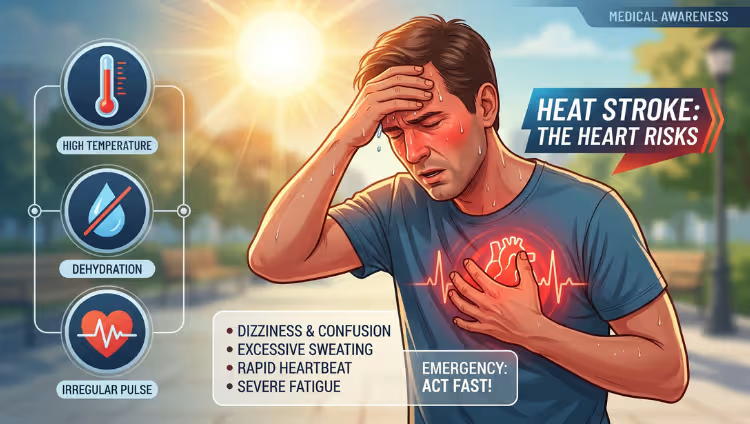
Heat stroke is a medical emergency. It happens when the body’s cooling system fails, and your internal temperature rises to dangerous levels (above 104°F or 40°C).
How It Affects the Heart
During heat stroke, the heart is under extreme stress. It beats rapidly to try to save the body, but because of severe dehydration and high internal heat, the heart muscle can actually suffer damage. In some cases, the stress can lead to an irregular heartbeat (arrhythmia) or even a heart attack.
Emergency Signs to Watch For:
-
High body temperature (above 103°F).
-
Rapid, strong pulse.
-
Confusion or slurred speech.
-
Dizziness or nausea.
-
Skin that feels hot and dry (if you stop sweating, it is a major red flag).
If you or someone near you shows these signs, move to a cool place immediately and seek emergency medical help.
Who Is at Higher Risk in Summer?
While everyone should be careful, certain groups of people need to be extra vigilant.
-
The Elderly: As we age, our bodies become less efficient at regulating temperature. Older adults may not sweat as much as younger people, making it harder for them to cool down.
-
Heart Patients: If your heart is already weakened by a previous heart attack or heart failure, it may not have the “reserve” strength to handle the extra workload caused by heat.
-
People with High Blood Pressure or Diabetes: Diabetes can affect the sweat glands, and high blood pressure often involves medications that change how the body handles fluids.
-
People on Specific Medications: Drugs like diuretics (water pills) are common for heart patients. These help the body get rid of excess salt and water, but in the summer, they can increase the risk of dehydration.
Coronary Artery Disease and Heat: Why Extra Care Is Needed
Coronary Artery Disease (CAD) occurs when the arteries that supply blood to the heart muscle become narrowed or blocked by plaque.
In the summer, your heart needs more oxygen because it is working harder. However, if your arteries are narrowed due to CAD, they may not be able to deliver that extra oxygen. This “supply and demand” mismatch can lead to chest pain (angina) or even a heart attack.
Furthermore, extreme heat can make blood “stickier,” which increases the risk of blood clots forming in narrowed arteries. If you have been diagnosed with CAD, you must not ignore the symptoms of heat exhaustion. Always consult an angina specialist in Lucknow for a summer-specific health plan. They can help adjust your medications if necessary to ensure you stay safe during the heatwave.
Precautions for a Healthy Heart in Summer

As a cardiologist, I believe prevention is the best medicine. Here are my top recommendations for keeping your heart healthy when the temperature rises:
-
Stay Hydrated: Drink plenty of water throughout the day. Do not wait until you are thirsty to drink. Thirst is actually a late sign of dehydration. Avoid sugary sodas or excessive caffeine, as these can actually lead to more fluid loss.
-
Avoid Peak Sun Hours: The sun is strongest between 10:00 AM and 4:00 PM. If you need to run errands or exercise, try to do them before or after these hours.
-
Eat Light and Fresh: Large, heavy meals (especially those high in fats and proteins) require a lot of blood flow to the digestive system. This takes blood away from the cooling process. Stick to salads, fruits, and light soups.
-
Monitor BP and Heart Rate: If you have high blood pressure, check your readings regularly. Heat can cause fluctuations that might require a doctor’s attention.
-
Wear Comfortable Clothes: Choose loose-fitting, light-colored clothing made of breathable fabrics like cotton. This helps sweat evaporate and keeps your body cooler.
-
Take Cool Showers: A lukewarm or cool shower can help lower your body temperature quickly after being outside.
-
Listen to Your Body: If you feel “off,” dizzy, or tired, stop what you are doing. Go to a cool, shaded, or air-conditioned area immediately.
Can Heat Exposure Affect Blood Pressure and Circulation?
Yes, heat has a profound effect on how blood moves through your body.
Low Blood Pressure and Dizziness
As we discussed, heat causes vasodilation. For many people, this leads to a drop in blood pressure. You might notice this most when you stand up quickly—you might feel a “head rush” or see spots. This is called orthostatic hypotension, and it is very common in the summer.
Circulation Changes
Your body prioritizes the skin and the brain. To keep you cool, it may pull blood away from other internal organs. While this is a normal survival tactic, prolonged exposure can lead to swelling in the ankles and feet (heat edema). This happens because gravity pulls blood into the widened vessels in your lower legs.
Warning Signs
If you notice persistent swelling, extreme dizziness, or a feeling that your heart is “skipping beats,” it is time to call your doctor. Finding a trusted cardiology specialist in Lucknow can ensure that these symptoms are just the heat and not something more serious.
FAQs related to how summer heat affects your heart
Q.How does heat affect the heart?
Heat forces the heart to beat faster and pump harder to move blood to the skin’s surface for cooling. This increased workload can strain the heart, especially in individuals with existing cardiovascular conditions.
Q1.Heat exposure and cardiovascular health outcomes?
Long-term or extreme heat exposure is linked to an increase in heart-related hospital visits. It can lead to heat exhaustion, heat stroke, and can worsen conditions like heart failure and stable angina.
Q2.How does extreme heat affect the cardiovascular system?
Extreme heat causes blood vessels to dilate (widen), leading to a drop in blood pressure. The body compensates by increasing the heart rate. Dehydration also makes the blood more viscous (thicker), making it harder for the heart to circulate.
Q3.How does temperature affect heart rate?
For every degree the body’s internal temperature rises, the heart rate typically increases by about 10 beats per minute. This is the body’s attempt to dissipate heat through the skin.
Q4.Heat stroke and heart rate?
During heat stroke, the heart rate becomes dangerously high as the body makes a final, desperate attempt to cool down. If left untreated, this can lead to heart muscle damage or cardiac arrest.
Q5.Why is heart rate higher in hot weather?
Heart rate is higher because the heart is performing two jobs: supplying oxygen to muscles and organs, and moving blood to the skin to release heat. Dehydration also reduces blood volume, forcing the heart to beat faster to maintain circulation.
Q6.Can a heating pad increase heart rate?
Yes, applying a heating pad to a large area of the body can cause local vasodilation and a slight increase in heart rate as the body works to move that extra heat away from the skin.
Q7.Coronary artery disease and heat?
Patients with coronary artery disease have narrowed arteries. The increased demand for blood and oxygen during hot weather can trigger chest pain (angina) or a heart attack because the narrowed arteries cannot keep up with the heart’s increased workload.
Call-To-Action: Protect Your Heart This Summer
Your heart works hard every day, but the summer heat makes its job even tougher. If you experience any unusual symptoms—such as a fast heartbeat, sudden dizziness, extreme fatigue, or chest discomfort—do not ignore them or wait for the weather to cool down. These could be signs that your cardiovascular system is struggling.
Don’t take chances with your heart health. Schedule a consultation with a trusted Heart specialist in Lucknow today to ensure your heart is ready for the season.
👉 Contact Dr. Ajay Bahadur, the leading Heart doctor in Lucknow, for a comprehensive evaluation and a heart-healthy summer plan.