
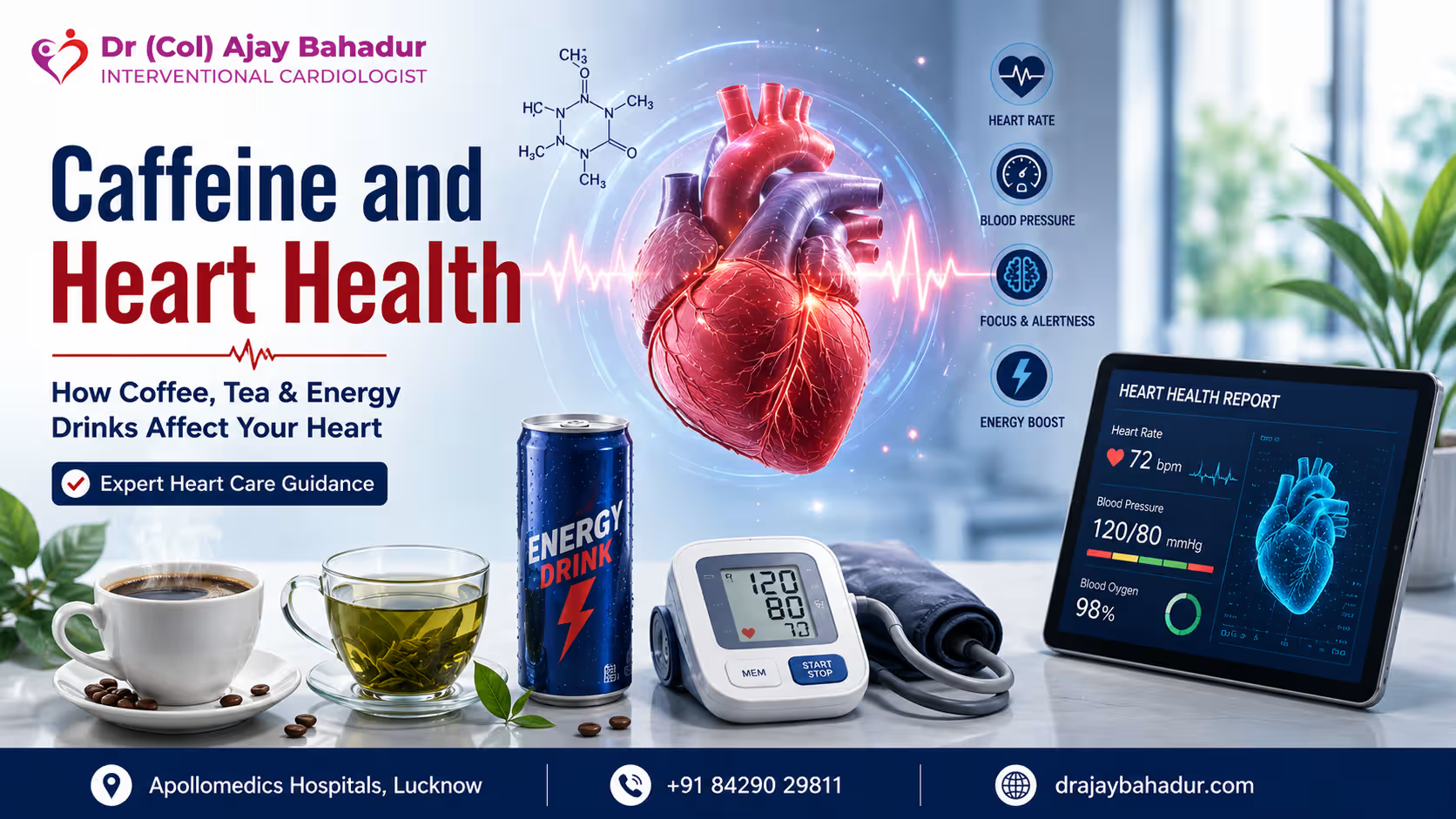
Millions of people start their day with a steaming cup of coffee or tea. In fact, caffeine is the most popular stimulant in the entire world. It helps us feel awake, focused, and ready for work. However, many people worry about how this daily habit impacts their cardiovascular system. Consequently, it is important to understand the relationship between what we drink and how our heart functions.
Because caffeine is so common, we often forget that it is a powerful substance. It affects your nervous system and your heart muscle directly. Therefore, knowing your limits is essential for long-term health. In this guide, we will explore everything you need to know about caffeine and heart health.
“Caffeine can temporarily increase heart rate and blood pressure, especially in sensitive individuals. While moderate caffeine intake is generally safe for most healthy adults, excessive consumption may cause palpitations, anxiety, sleep disturbances, and cardiovascular concerns in some people.”
What Is Caffeine and How Does It Work?
Caffeine is a natural chemical that stimulates the central nervous system. It belongs to a group of compounds called methylxanthines. Most people consume it to fight fatigue and improve concentration.
Natural Sources of Caffeine
You can find caffeine naturally in more than 60 different plant species. For example, coffee beans and tea leaves are the most famous sources. Additionally, cacao pods used for chocolate and guarana berries also contain significant amounts. Because these sources are natural, many people believe they are always safe. Nevertheless, the amount of caffeine can vary greatly between different plants.
Artificial Sources of Caffeine
In contrast to natural sources, many products contain synthetic caffeine. Manufacturers often add this to soft drinks and energy drinks. Moreover, you will find it in weight loss supplements and some pain relievers. Synthetic caffeine is absorbed quickly by the body. As a result, the “kick” you feel might be more intense than with natural coffee.
How Caffeine Stimulates the Body
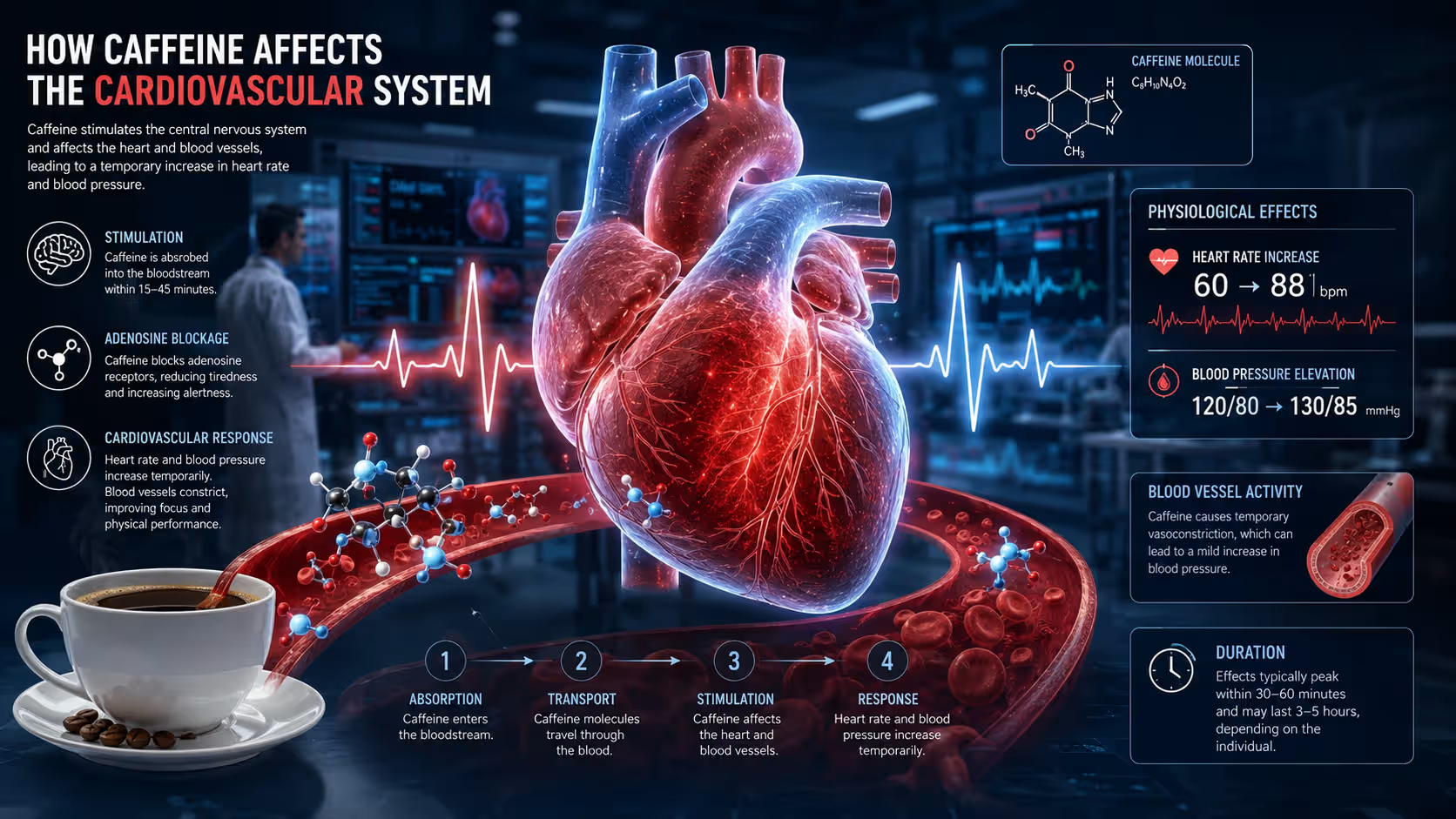
When you consume caffeine, it travels through your bloodstream to your brain. Specifically, it blocks a chemical called adenosine. Usually, adenosine attaches to receptors to make you feel tired. Because caffeine blocks these receptors, your brain stays alert. Furthermore, this process triggers the release of adrenaline. Adrenaline is the “fight or flight” hormone that speeds up your body’s processes.
Why People Feel More Alert
Because of the adrenaline surge, your heart beats faster and your blood sugar rises. Consequently, you feel a burst of energy and better focus. However, this stimulation does not just stay in your brain. It affects every major organ, including your heart. Similarly, your muscles might feel more ready for action after a cup of coffee.
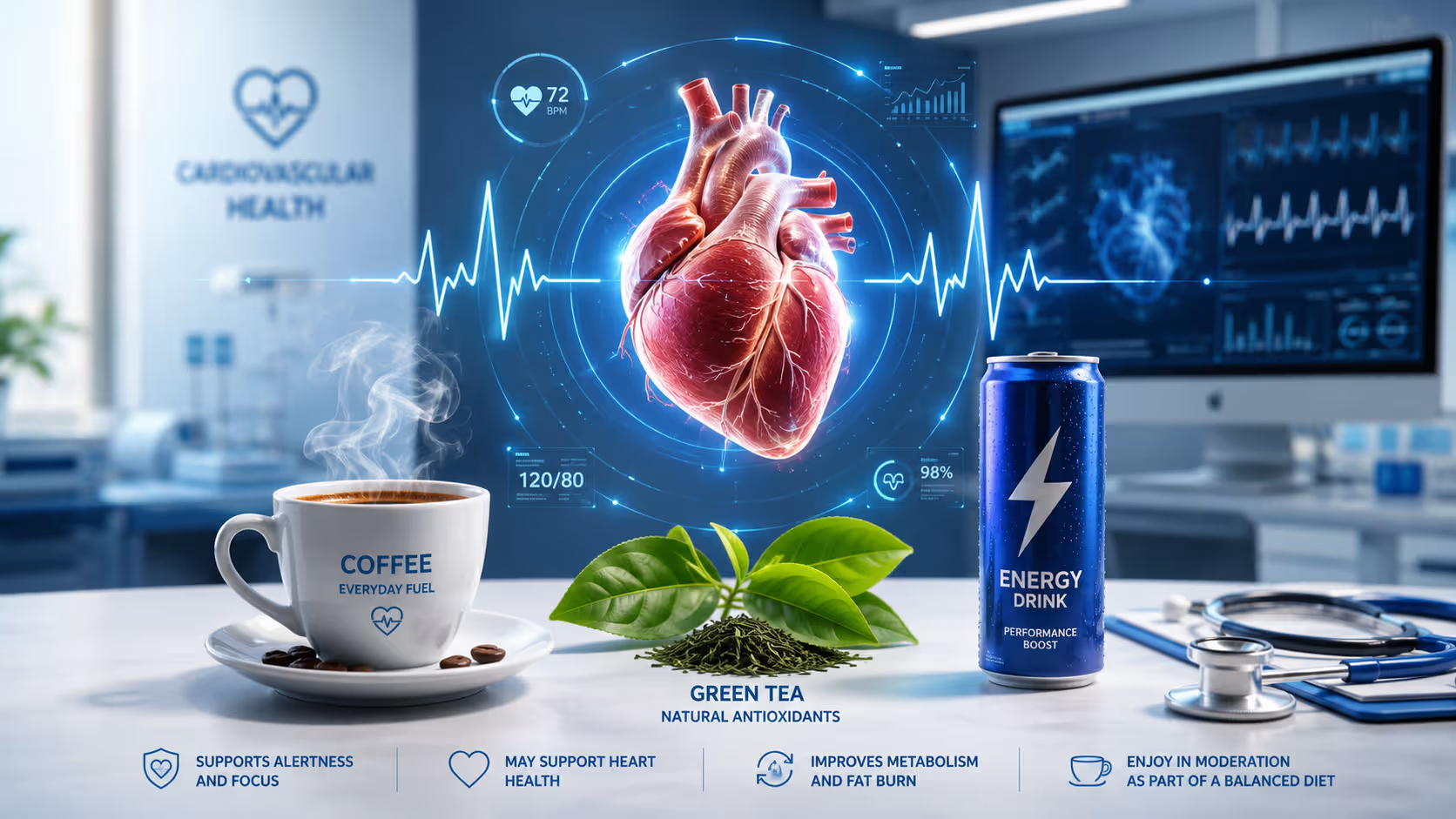
How Caffeine Affects Your Heart
Understanding how caffeine affects your heart is vital for anyone who enjoys stimulants. The effects can range from a mild energy boost to more serious physical symptoms.
Effect on Heart Rate
The most common question people ask is: does caffeine increase heart rate? In short, yes. Caffeine stimulates the adrenal glands to release epinephrine. This chemical tells your heart to beat faster. For most healthy people, this increase is small. Nevertheless, if you drink too much, your heart rate might climb to uncomfortable levels. This condition is known as tachycardia.
Effect on Blood Pressure
Caffeine and blood pressure have a very close relationship. Even if you do not have high blood pressure, caffeine can cause a short-term spike. Researchers believe this happens because caffeine narrows the blood vessels. Therefore, your heart has to work harder to pump blood through the body. Fortunately, this effect usually wears off after a few hours for most individuals.
Impact on Blood Vessels
Besides the heart muscle, caffeine affects the lining of your blood vessels. Some studies suggest it causes a temporary tightening of the arteries. Because of this, your circulation might change slightly after a large espresso. In fact, this is why caffeine is sometimes used in headache medications. It constricts blood vessels in the brain to reduce pain.
Impact on Heart Rhythm
In some cases, caffeine can disrupt the electrical signals in your heart. This may lead to heart palpitations after coffee. You might feel like your heart is fluttering or skipping a beat. Although these flutters are usually harmless, they can be scary. If you have a pre-existing rhythm disorder, caffeine could make it more frequent.
Short-Term vs Long-Term Effects
In the short term, you experience increased alertness and a higher heart rate. On the other hand, the long-term effects of moderate coffee drinking are often positive. Many studies show that coffee contains antioxidants that protect the heart. However, excessive long-term use of energy drinks can lead to chronic high blood pressure.
Common Warning Signs That Caffeine May Be Affecting Your Heart
How do you know if you have had too much? Your body provides clear signals when caffeine is stressing your heart.
Heart Palpitations
Have you ever felt a “thump” in your chest after a second latte? These are heart palpitations. They occur when the heart’s electrical system becomes over-excited. Because caffeine is a stimulant, it makes these extra beats more likely. If you notice this often, it is a sign to reduce your intake.
Rapid Heartbeat
A resting heart rate should generally stay between 60 and 100 beats per minute. If your heart is racing while you are simply sitting, caffeine might be the cause. This rapid pace can make you feel short of breath or tired. Consequently, your heart muscle is working hard without any rest.
High Blood Pressure
You might not feel high blood pressure directly. However, some people experience a dull headache or blurred vision when it spikes. If you already track your blood pressure, check it after your morning coffee. You might be surprised to see how much it rises. Therefore, monitoring these numbers is a great way to stay safe.
Chest Discomfort
In rare cases, too much caffeine can cause chest tightness. This happens because the heart is beating fast and needs more oxygen. If the blood vessels are narrow, the heart might struggle to get that oxygen. Because chest pain can be serious, you should never ignore this symptom. Always consult a professional like Dr. Ajay Bhadur if this occurs.
Dizziness and Lightheadedness
When your heart rhythm changes suddenly, your brain might not get a steady flow of blood. As a result, you may feel dizzy or faint. This is a significant too much caffeine symptom. If you feel the room spinning after an energy drink, stop consuming it immediately and sit down.
Anxiety and Restlessness
The physical effects of caffeine often feel exactly like anxiety. Your heart races, your palms sweat, and you feel “on edge.” For many people, these physical feelings trigger actual panic attacks. Furthermore, these symptoms can last for several hours until the caffeine leaves your system.
Sleep Disturbances
Poor sleep is terrible for heart health. Because caffeine stays in your system for up to six hours, it can ruin your rest. If your heart does not get to slow down during sleep, it stays stressed. Therefore, late-night caffeine can indirectly cause long-term heart issues by preventing deep recovery.
Coffee vs Tea vs Energy Drinks
Not all caffeinated drinks are created equal. Some are much harder on the heart than others.
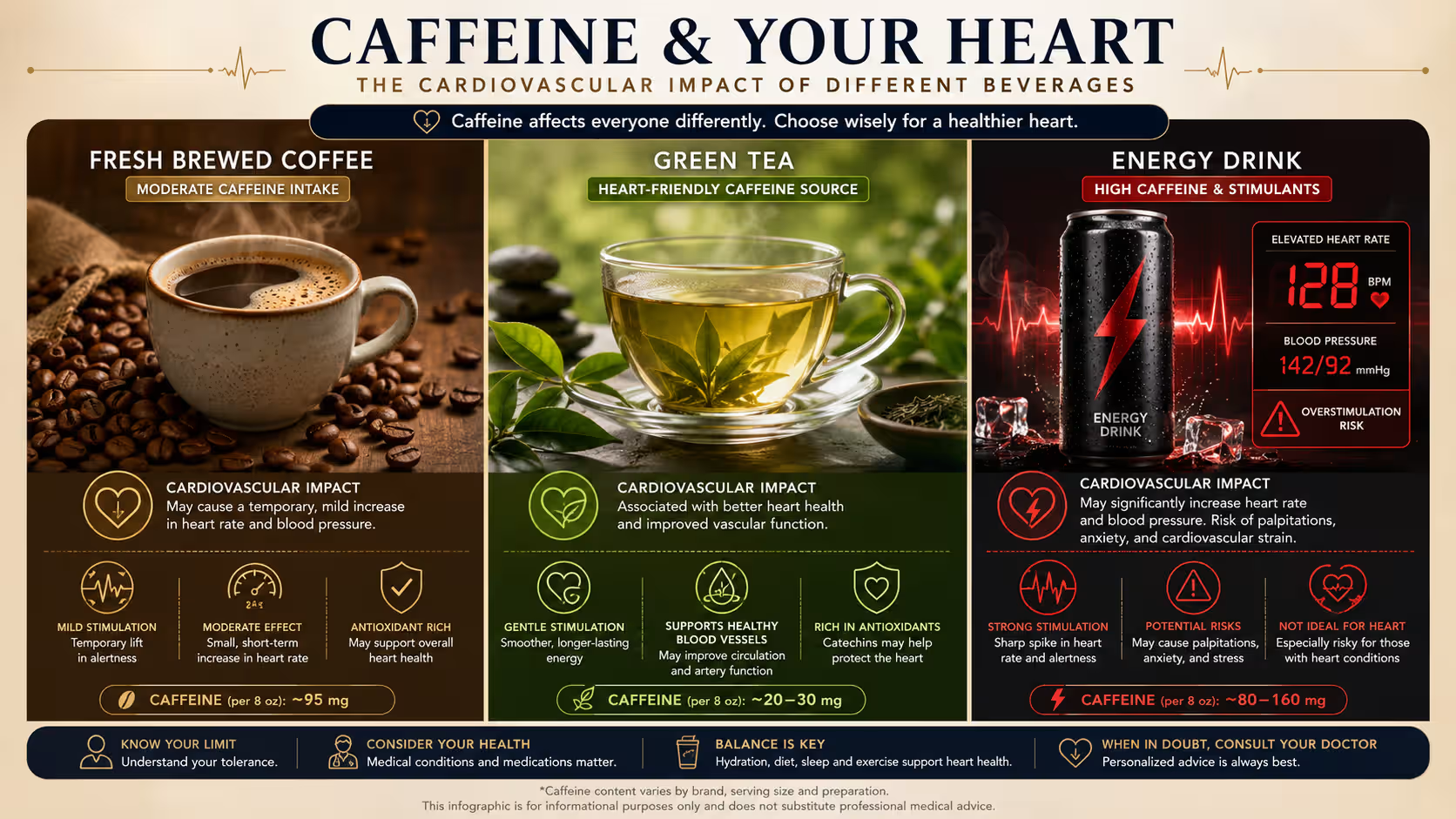
Chart 1: Caffeine Sources Comparison
| Source | Average Caffeine Content | Heart Impact |
| Brewed Coffee (8 oz) | 95-165 mg | Moderate / Natural |
| Green Tea (8 oz) | 25-45 mg | Low / Protective |
| Energy Drink (16 oz) | 160-300 mg | High / Stressful |
| Espresso Shot (1 oz) | 63 mg | Quick Spike |
| Dark Chocolate (1 oz) | 12 mg | Very Low |
Coffee: The Daily Classic
Most people get their caffeine from coffee. Fortunately, coffee also contains polyphenols. These are plant compounds that help reduce inflammation. Consequently, moderate coffee drinking is usually not harmful to a healthy heart. However, adding lots of sugar and cream can negate these benefits.
Tea: The Gentle Alternative
Tea contains less caffeine than coffee. Additionally, it has an amino acid called L-theanine. This chemical helps the brain relax while staying alert. As a result, tea provides a “smoother” energy boost. Most cardiologists agree that tea is a very heart-friendly way to enjoy caffeine.
Energy Drinks: The High-Risk Choice
In contrast to tea, energy drinks are often dangerous in high amounts. They contain large doses of synthetic caffeine and sugar. Moreover, they often have “herbal” stimulants like taurine or guarana. These ingredients can interact to cause severe heart strain. Because of this, energy drinks and heart health are often a bad combination.
Pre-Workout Supplements
Fitness enthusiasts often use pre-workout powders. These can contain up to 400mg of caffeine in a single scoop. When you combine this with intense exercise, your heart rate can reach dangerous levels. Therefore, you should be extremely cautious with these concentrated supplements.
Can Caffeine Cause Heart Palpitations?
Many patients visit a Cardiologist in Lucknow because of strange flutters in their chest. Frequently, the culprit is simply their caffeine habit.
Why Palpitations Happen
Caffeine increases the “excitability” of the heart’s cells. Imagine your heart has a built-in electrical grid. Caffeine makes that grid more likely to spark randomly. Consequently, you feel a “flip-flop” sensation in your chest. While usually benign, these flutters show that your heart is sensitive to the stimulant.
Who Is Most at Risk?
Some people are “slow metabolizers” of caffeine. Because their bodies take longer to break it down, the effects last much longer. Similarly, people with existing heart valve issues might feel palpitations more intensely. Furthermore, if you are dehydrated or stressed, caffeine is more likely to trigger an irregular rhythm.
When to Seek Medical Advice
If palpitations are rare, you might just need to drink less coffee. However, if they come with shortness of breath or fainting, you need help. A Heart Doctor in Lucknow can perform an EKG to check your heart’s rhythm. This simple test ensures that the palpitations are not a sign of a deeper issue.
Caffeine and Blood Pressure
If you are managing hypertension, you must be careful with your morning brew. Caffeine and blood pressure are linked through the nervous system.
Temporary Blood Pressure Increase
Even a single cup of coffee can raise your systolic blood pressure by 5 to 10 points. This happens because caffeine blocks a hormone that keeps your arteries wide. Therefore, the blood has to push harder through the vessels. Fortunately, this rise is usually temporary for healthy adults.
High BP Patients
For people who already have high blood pressure, this spike can be more dangerous. Because your baseline is already high, a 10-point jump could put you in a “crisis” zone. Consequently, many doctors suggest that hypertensive patients limit themselves to one cup per day.
What Research Shows
Research suggests that regular drinkers develop a partial tolerance to the blood pressure spike. Nevertheless, the heart still experiences a small amount of stress with every cup. Therefore, if you are trying to lower your blood pressure, cutting back on caffeine is a smart first step.
How Much Caffeine Is Safe?
Knowing your daily limit is the best way to prevent too much caffeine symptoms. Most health organizations provide general guidelines for safe intake.
Chart 2: Safe Daily Caffeine Intake
| Population Group | Recommended Limit | Approx. Cups of Coffee |
| Healthy Adults | 400 mg | 4 cups |
| Pregnant Women | 200 mg | 2 cups |
| People with High BP | 100-200 mg | 1-2 cups |
| Adolescents | <100 mg | Avoid energy drinks |
Daily Limits for Most People
For the average person, 400mg of caffeine is considered safe. This is roughly four cups of brewed coffee. At this level, most people do not experience negative heart effects. However, remember that everyone’s body reacts differently. Some might feel shaky after just one cup.
Hidden Sources of Caffeine
You must also consider “hidden” sources of caffeine. For example, some protein bars and soda waters now contain added caffeine. Similarly, “decaf” coffee is not 100% caffeine-free. It usually contains about 5 to 15mg per cup. Consequently, your total daily count might be higher than you think.
Monitoring Your Intake
A great way to stay safe is to keep a “caffeine diary” for a few days. Note down every soda, tea, or coffee you drink. Moreover, check the labels of any supplements you take. If your total is over 400mg, consider swapping one cup for herbal tea.
Who Should Limit Caffeine?
Certain groups of people should be extra careful with stimulants. Their hearts may be more sensitive to the effects of caffeine on heart health.
Heart Disease Patients
If you have a history of heart attack or heart failure, your heart needs rest. Caffeine forces the heart to work harder. Therefore, a Cardiologist will usually recommend a very low-caffeine diet. This helps keep the heart muscle from becoming over-exhausted.
Arrhythmia Patients
People with irregular heart rhythms, like Atrial Fibrillation (AFib), should be cautious. Caffeine can act as a “trigger” for an episode of AFib. Because of this, many patients find that their heart stays in a normal rhythm much better when they avoid stimulants.
Anxiety Disorders
Since caffeine mimics the physical signs of anxiety, it can make mental health issues worse. If you struggle with panic attacks, a racing heart from coffee can be a major trigger. Consequently, switching to decaf can often lead to a much calmer daily experience.
Sleep Disorders
If you suffer from insomnia, caffeine is your enemy. Even if you drink it in the morning, it can disrupt your sleep architecture at night. Because the heart repairs itself during deep sleep, chronic insomnia increases your risk of heart disease.
Practical Tips to Consume Caffeine Safely
You do not have to give up your favorite drink entirely. Instead, follow these steps to enjoy it without risking your heart health.
1. Monitor Daily Intake
Always know how much you are drinking. Try to stay below the 400mg limit. Furthermore, avoid “large” sizes at coffee shops, as they often contain three or four shots of espresso.
2. Avoid Excess Energy Drinks
Limit energy drinks to rare occasions. Because they contain so many stimulants, they are much harder on the heart than coffee. Similarly, never mix energy drinks with alcohol, as this can mask how intoxicated you feel and strain the heart.
3. Stay Hydrated
Caffeine is a mild diuretic, meaning it makes you lose water. Dehydration makes heart palpitations more likely. Therefore, for every cup of coffee you drink, follow it with a large glass of plain water.
4. Avoid Late Consumption
Stop drinking caffeine by 2:00 PM. This gives your body enough time to process the chemical before you go to bed. Consequently, your heart rate will be lower when you try to sleep.
5. Know Your Personal Tolerance
Pay attention to how you feel. If you get the jitters or a headache, you have had too much. In fact, your body is the best guide for setting your own caffeine limits.
Common Myths and Facts About Caffeine
There is a lot of misinformation about how caffeine affects your heart. Let’s clear up some common myths.
-
Myth 1: Coffee causes heart disease.
-
Fact: Moderate coffee drinking is actually linked to a lower risk of heart failure in some studies.
-
-
Myth 2: Energy drinks are just like strong coffee.
-
Fact: Energy drinks contain other chemicals that can make the heart effects much more intense.
-
-
Myth 3: Decaf coffee is 100% caffeine-free.
-
Fact: Most decaf contains small amounts of caffeine that can still affect very sensitive people.
-
-
Myth 4: Dark roast has more caffeine than light roast.
-
Fact: Light roasts actually have slightly more caffeine because the beans are denser.
-
-
Myth 5: Everyone builds a tolerance to the heart effects.
-
Fact: Your brain might get used to it, but your blood pressure may still spike every time you drink it.
-
-
Myth 6: Caffeine causes permanent high blood pressure.
-
Fact: For most, the rise is temporary. However, if you drink it all day, your pressure stays high all day.
-
When Should You Consult a Heart Specialist?
Sometimes, heart symptoms are more than just “too much coffee.” It is important to know when to seek professional help. If you live in Uttar Pradesh, you might look for a qualified Heart Doctor in Lucknow to evaluate your symptoms.
You should book an appointment if you experience:
-
Frequent heart palpitations that do not go away when you stop drinking coffee.
-
Chest pain or pressure during or after consuming caffeine.
-
Feeling like you are going to faint after a caffeinated drink.
-
Shortness of breath even when resting.
-
A pulse that feels very irregular or “chaotic.”
A Cardiologist in Lucknow can help you determine if your heart is healthy enough for stimulants. They might use a Holter monitor to watch your heart rhythm for 24 hours. This helps see exactly how caffeine is interacting with your heart.
Final Thoughts
In summary, caffeine is a double-edged sword. For most people, it is a safe and enjoyable part of the day. It provides focus and a much-needed energy boost. However, it is also a powerful drug that directly impacts your heart rate and blood pressure.
By understanding the warning signs and staying within safe limits, you can enjoy your coffee without worry. Remember to listen to your body and stay hydrated. If you ever feel concerned about your heart rhythm, reaching out to a specialist is the best way to ensure your long-term health.
FAQs
1. Does caffeine increase heart rate?
Yes, caffeine stimulates adrenaline, which tells the heart to beat faster. This is usually temporary but can be intense with high doses.
2. Can caffeine cause heart palpitations?
Yes, it can make the heart’s electrical system more sensitive. This leads to the feeling of “skipped” or “extra” beats.
3. Is coffee bad for heart patients?
In moderate amounts, it is often safe. However, patients with arrhythmias or heart failure should follow their doctor’s specific advice.
4. How much caffeine is safe?
For most healthy adults, up to 400mg (about 4 cups of coffee) per day is considered safe.
5. Can caffeine raise blood pressure?
Yes, it can cause a temporary spike in blood pressure by narrowing the blood vessels.
6. Are energy drinks harmful?
They can be harmful if consumed in large quantities or mixed with other stimulants, leading to severe heart strain.
7. Can caffeine cause chest pain?
In sensitive individuals or those with underlying heart issues, the increased workload from caffeine can trigger chest discomfort.
8. When should I consult a cardiologist?
You should see a specialist if you have fainting spells, persistent palpitations, or chest pain after consuming caffeine.
Caffeine affects everyone differently. While moderate consumption is usually safe, persistent palpitations, elevated blood pressure, or unusual heart-related symptoms should not be ignored.
If you experience concerning symptoms or have an existing heart condition, consult Dr. Ajay Bhadur. As a Best Cardiologist in Lucknow, provides expert evaluation and personalized guidance to ensure your heart remains healthy and strong. Don’t wait for a warning sign to become an emergency—book your consultation today.