
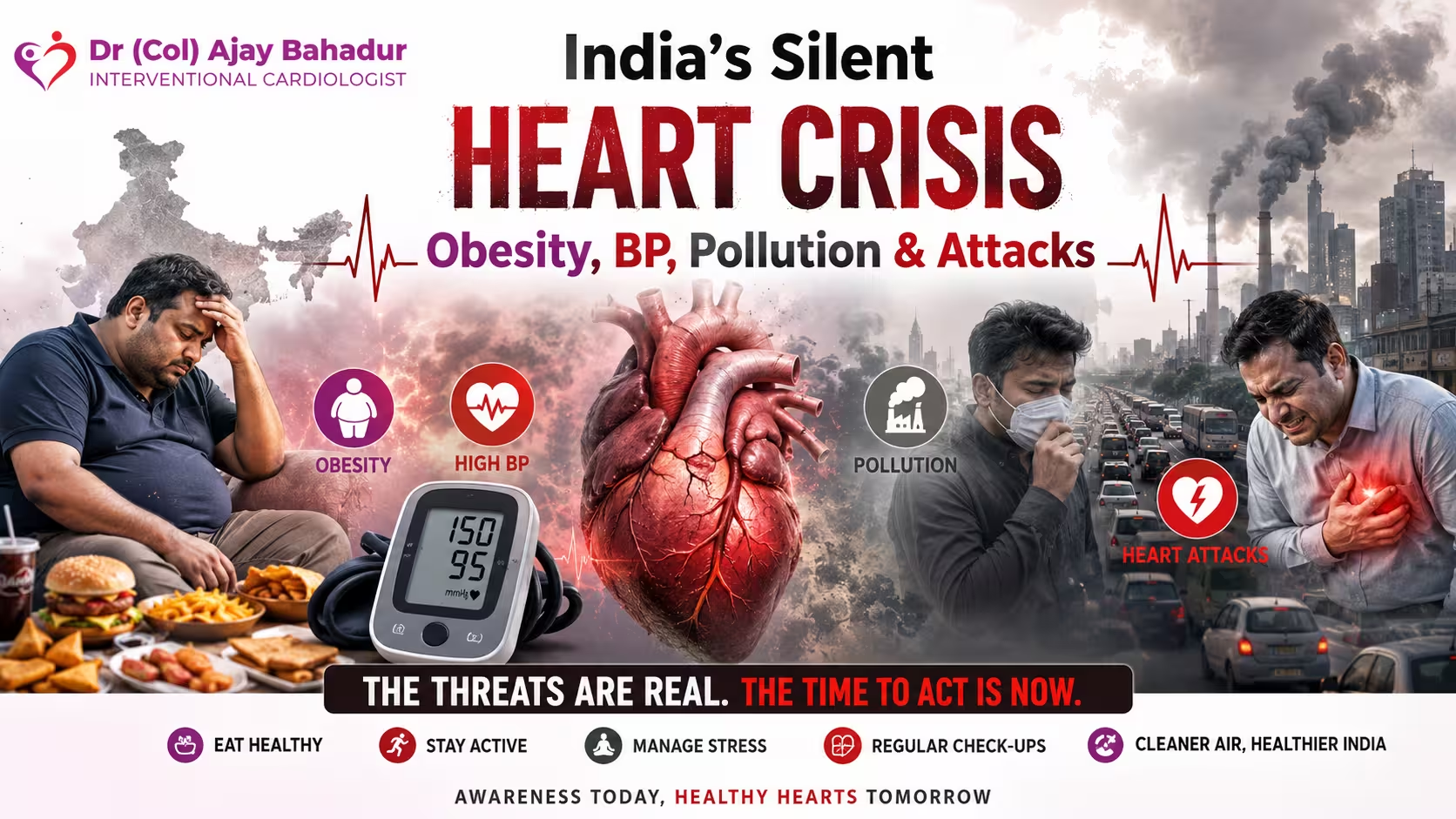
India’s Silent Heart Crisis: Why Obesity, BP, and Pollution are Fueling a Modern Epidemic
For decades, the image of a heart patient in the Indian psyche was that of an elderly individual, perhaps in their late 60s or 70s, having lived a full life. But as a cardiologist practicing in the heart of Uttar Pradesh, the reality I encounter daily in my clinic tells a much more harrowing story. I am increasingly seeing young professionals—software engineers in their 30s, new parents in their 20s, and active workers—arriving with severe arterial blockages.
India is currently witnessing a “Silent Heart Crisis.” It is an epidemic that doesn’t make the front pages every day like a pandemic does, yet it claims more lives than almost any other health condition in the country. This crisis is not a product of bad luck; it is a complex intersection of our changing environment, our high-pressure lifestyles, and biological vulnerabilities that we are only just beginning to fully understand. My goal today is to pull back the curtain on why this is happening and, more importantly, how we can stop it.
Why are heart attacks increasing in India?
Heart attacks are increasing rapidly in India because of rising obesity, uncontrolled blood pressure, diabetes, stress, pollution exposure, unhealthy diets, and sedentary lifestyles. Many people remain unaware of early heart disease symptoms, leading to delayed diagnosis and higher cardiovascular risk even at younger ages.
Why India Is Facing a Silent Heart Health Emergency
The statistics regarding heart health in India are no longer just cautionary—they are an emergency. Cardiovascular diseases (CVDs) have become the leading cause of mortality in India. Research indicates that Indians suffer from heart attacks at least a decade earlier than people in Western nations. While a European might experience their first cardiac event in their 60s, an Indian is statistically vulnerable in their 40s or 50s.
The rise in heart disease cases is a direct reflection of the rapid urbanization we’ve seen over the last twenty years. We have moved from a society of manual labor and whole foods to one of desk jobs and ultra-processed convenience. However, there is a more “hidden” health risk at play here: the Indian phenotype.
Many Indians fall into the “TOFI” category—Thin on the Outside, Fat on the Inside. You might have a normal weight according to the scales, but your body may be storing dangerous amounts of visceral fat around your internal organs. This metabolic profile makes the Indian population uniquely susceptible to heart disease even without appearing “traditionally” obese. As a specialist, I often observe that the Best Cardiologist in Lucknow is not necessarily the one who performs the most surgeries, but the one who can help a patient identify these hidden risks before they ever reach the operating table.
Obesity and Belly Fat — The Biggest Modern Risk
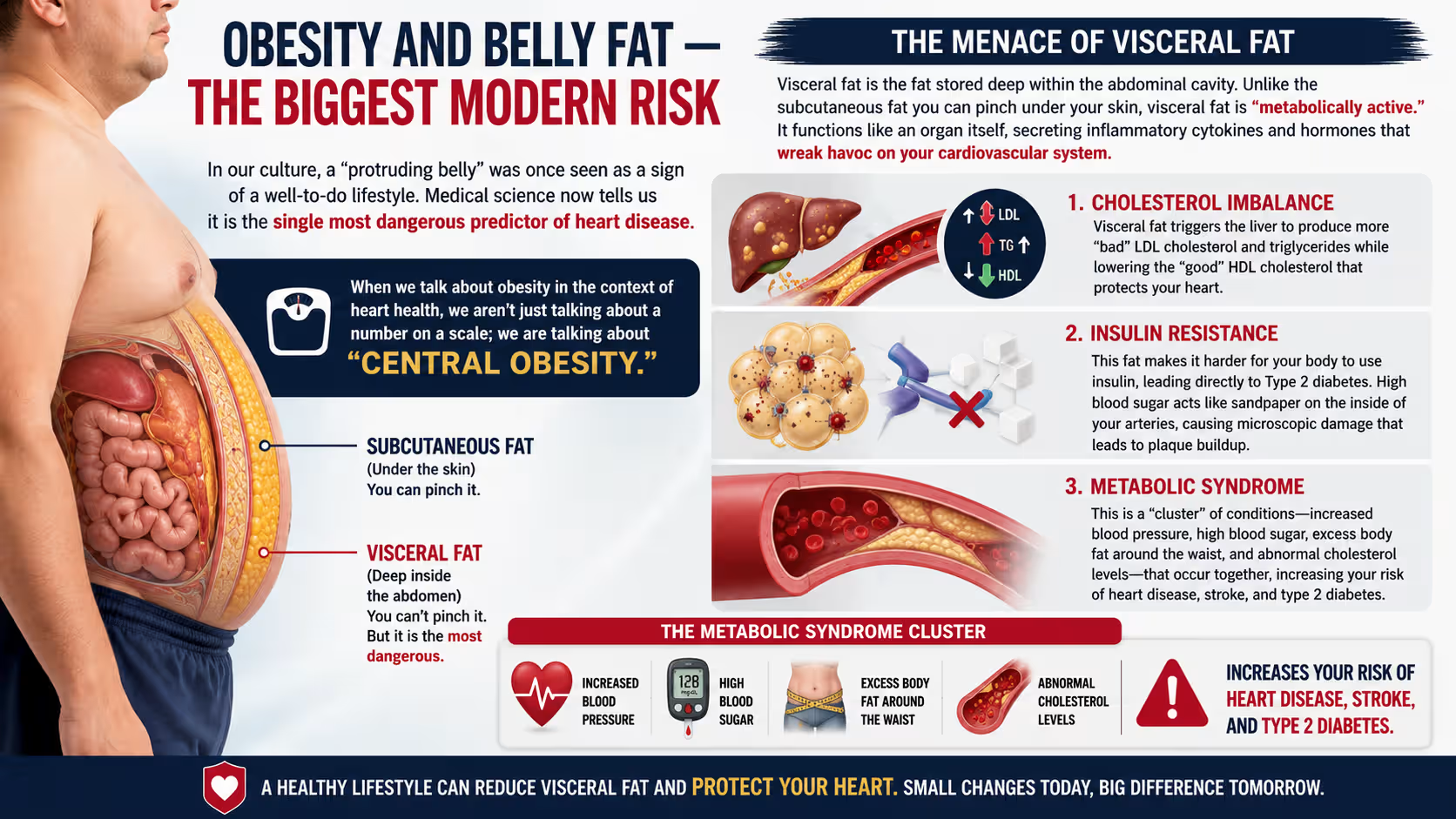
In our culture, a “protruding belly” was once seen as a sign of a well-to-do lifestyle. Medical science now tells us it is the single most dangerous predictor of heart disease. When we talk about obesity in the context of heart health, we aren’t just talking about a number on a scale; we are talking about “Central Obesity.”
The Menace of Visceral Fat
Visceral fat is the fat stored deep within the abdominal cavity. Unlike the subcutaneous fat you can pinch under your skin, visceral fat is “metabolically active.” It functions like an organ itself, secreting inflammatory cytokines and hormones that wreak havoc on your cardiovascular system.
-
Cholesterol Imbalance: Visceral fat triggers the liver to produce more “bad” LDL cholesterol and triglycerides while lowering the “good” HDL cholesterol that protects your heart.
-
Insulin Resistance: This fat makes it harder for your body to use insulin, leading directly to Type 2 diabetes. High blood sugar acts like sandpaper on the inside of your arteries, causing microscopic damage that leads to plaque buildup.
-
Metabolic Syndrome: This is a “cluster” of conditions—increased blood pressure, high blood sugar, excess body fat around the waist, and abnormal cholesterol levels—that occur together, increasing your risk of heart disease, stroke, and type 2 diabetes.
Central obesity significantly increases cardiovascular risk. Even if your BMI is technically in the “normal” range, if your waist circumference is high, your heart is under significant metabolic stress.
High Blood Pressure — The “Silent Killer”
Hypertension, or high blood pressure (BP), is arguably the most neglected health metric in India. It is called the “silent killer” because it rarely presents with obvious symptoms until the damage is already done.
When your blood pressure is high, the heart has to work much harder to pump blood. This constant high-pressure flow damages the delicate endothelial lining of your arteries. Imagine a garden hose with water rushing through it at five times the intended pressure—eventually, the hose will weaken, bulge, or leak. In the human body, this leads to:
-
Atherosclerosis: The hardening and narrowing of the arteries.
-
Left Ventricular Hypertrophy: The heart muscle thickens and becomes less efficient.
-
Aneurysms: Weakened spots in blood vessels that can burst.
Many patients visiting the Best Cardiologist in Lucknow are diagnosed with uncontrolled hypertension only after developing complications like persistent headaches, vision changes, or, unfortunately, a heart attack. Regular monitoring is the only way to catch this silent thief. If your BP is consistently above 140/90 mmHg, your cardiovascular system is in a state of constant emergency.
Major Causes Behind India’s Rising Heart Attacks
To visualize the landscape of this crisis, we must look at how lifestyle, environment, and biology intersect. The following table illustrates how common risk factors translate into physical damage to the heart.
| Risk Factor | How It Affects the Heart |
| Obesity | Increases the heart’s workload and triggers chronic inflammation. |
| High BP | Physically damages and stiffens the blood vessels over time. |
| Pollution | Fine particles (PM2.5) enter the blood, causing inflammation and clotting. |
| Smoking/Vaping | Narrows arteries immediately reduce oxygen delivery. |
| Diabetes | High sugar levels “rust” the arteries through oxidative stress. |
| Stress | Spikes cortisol and adrenaline, causing dangerous BP surges. |
| Poor Sleep | Disrupts the heart’s natural circadian rhythm and repair cycle. |
It is rarely just one of these factors that causes a heart attack. Instead, it is the “synergistic effect.” For instance, a person who lives in a high-pollution city and has high stress at work is at a much higher risk than someone who only deals with one of those factors.
Pollution and Heart Disease — The Overlooked Danger
For a long time, air pollution was considered a “lung problem.” We now know that the heart is perhaps even more vulnerable to the air we breathe. In major Indian cities, the levels of PM2.5 (particulate matter smaller than 2.5 microns) often reach levels 10 to 20 times higher than the WHO’s safety limits.
These particles are so small that they bypass the lungs’ natural filters and enter the bloodstream directly. Once in the blood, they trigger a state of “systemic inflammation.” This inflammation can cause existing plaques in the coronary arteries to become unstable. When a plaque ruptures, it forms a clot, which can lead to a sudden, massive heart attack.
Heart health is affected not just by diet, but also by environment. During the winter months in North India, when the “smog” settles, we see a measurable spike in hospital admissions for cardiac events. This environmental factor is a key reason why even “healthy-looking” urban dwellers are suddenly falling victim to heart disease.
Why Young Indians Are Getting Heart Attacks Earlier
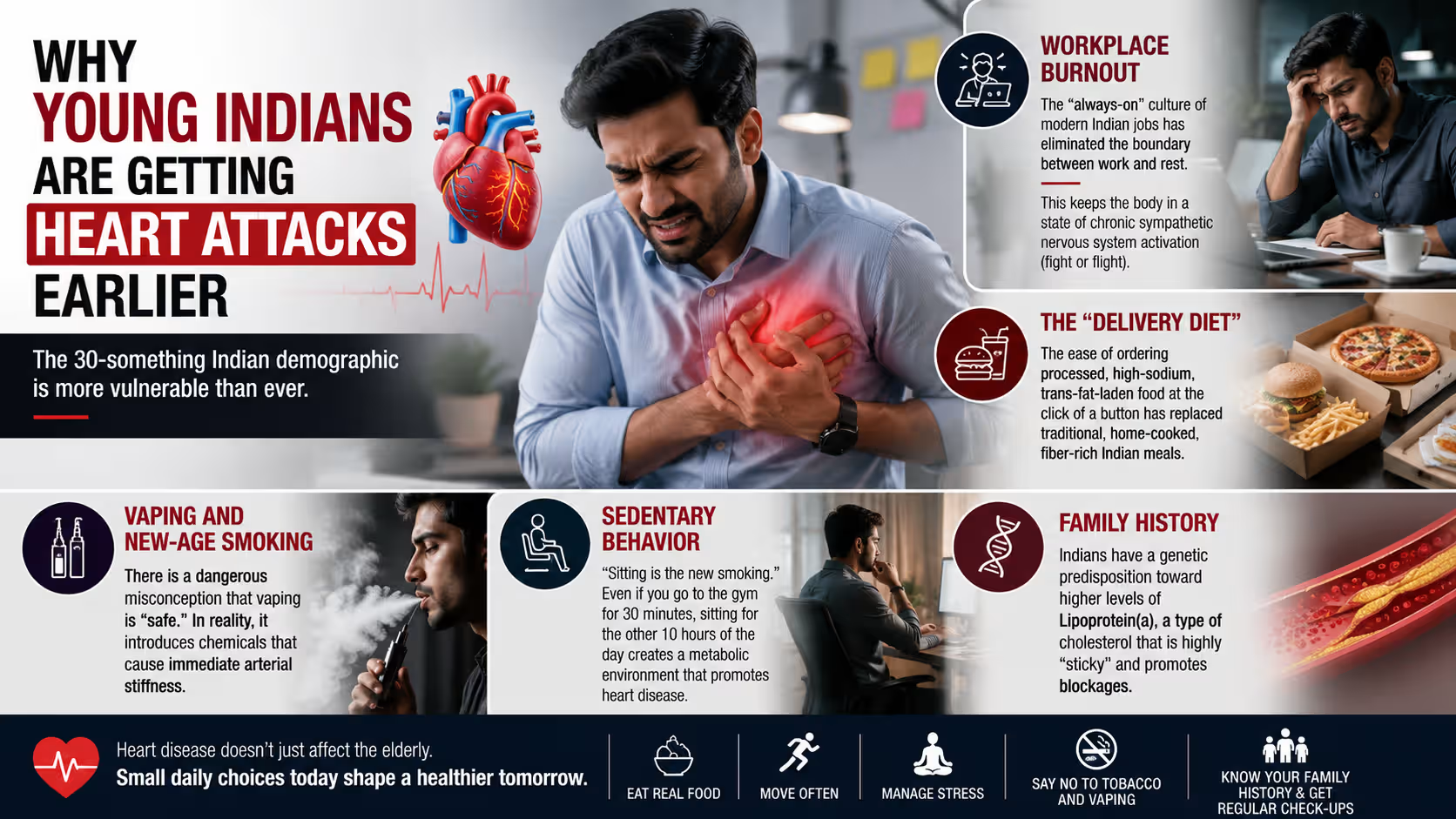
In my years of practice, the most heart-wrenching cases involve young adults in their prime. Why is the 30-something Indian demographic so vulnerable?
-
Workplace Burnout: The “always-on” culture of modern Indian jobs has eliminated the boundary between work and rest. This keeps the body in a state of chronic sympathetic nervous system activation (fight or flight).
-
The “Delivery Diet”: The ease of ordering processed, high-sodium, trans-fat-laden food at the click of a button has replaced traditional, home-cooked, fiber-rich Indian meals.
-
Vaping and New-Age Smoking: There is a dangerous misconception that vaping is “safe.” In reality, it introduces chemicals that cause immediate arterial stiffness.
-
Sedentary Behavior: “Sitting is the new smoking.” Even if you go to the gym for 30 minutes, sitting for the other 10 hours of the day creates a metabolic environment that promotes heart disease.
-
Family History: Indians have a genetic predisposition toward higher levels of Lipoprotein(a), a type of cholesterol that is highly “sticky” and promotes blockages.
Young Indians need to realize that their age is not a suit of armor. In fact, because young arteries are often not “preconditioned” by smaller blockages, a sudden clot can be more fatal for a 35-year-old than for a 75-year-old.
Stress, Anxiety & Mental Burnout Affect the Heart Too
The mind and the heart are connected by a highway of hormones and nerves. When you experience chronic stress or anxiety, your adrenal glands pump out cortisol. While cortisol is necessary for survival, having it constantly elevated is like running an engine at its redline for days on end.
Chronic stress leads to:
-
Platelet Activation: Making your blood “stickier” and more likely to clot.
-
Endothelial Dysfunction: The inability of blood vessels to relax and dilate.
-
Sleep Apnea: Stress often leads to poor sleep, which causes oxygen dips at night that damage the heart muscle.
We must stop separating mental health from physical health. If your mind is under pressure, your heart is paying the price.
Silent Symptoms People Ignore Before a Heart Attack
The “Hollywood Heart Attack”—dramatic chest clutching and falling—is actually not the most common way symptoms present in India. Many patients describe their symptoms in ways that lead to “diagnostic delay.”
-
“Acidity” or Indigestion: This is the most common confusion. Many people take an antacid and go to bed, only to realize later that the “burning” was actually a heart attack.
-
Unexplained Fatigue: If you suddenly find that walking to your car makes you unusually tired, it could be a sign that your heart isn’t pumping oxygenated blood enough.
-
Jaw and Neck Pain: Pain that radiates from the chest to the jaw or back is a classic red flag that is often dismissed as a “muscle pull.”
-
Breathlessness: Feeling winded while doing mundane tasks or feeling like you can’t get a “full breath” when lying down.
Not every heart attack causes dramatic chest pain. If you feel an unusual pressure, heaviness, or discomfort anywhere in your upper body, it is always better to be safe and seek a cardiac evaluation.
Can Lifestyle Changes Really Prevent Heart Disease?
The most powerful tool we have against heart disease is not a scalpel or a stent; it is the power of prevention. Even if you have a family history, your “genes load the gun, but your lifestyle pulls the trigger.”
Practical Steps for Heart Protection
-
The 30-Minute Brisk Walk: You don’t need a marathon. A 30-minute brisk walk daily can lower your heart disease risk by nearly a third.
-
The Power of Fiber: Replacing refined “white” carbs (maida, white rice) with whole grains (millets, oats, brown rice) helps scrub cholesterol from your system.
-
The “Rule of Five”: Try to eat five servings of colorful fruits and vegetables every day. These are packed with antioxidants that fight the inflammation caused by pollution.
-
Sleep Hygiene: Prioritize 7–8 hours of quality sleep. This is when your heart rate slows down and your blood vessels repair themselves.
-
Tobacco Cessation: There is no “safe” amount of tobacco. Quitting is the single best thing you can do for your heart.
Regular consultation with experienced specialists like Dr. Ajay Bahadur can help identify cardiovascular risks before they become life-threatening. Preventive screenings, such as a Calcium Score or a stress test, can reveal the “silent” buildup of plaque long before an attack occurs.
The Future of Heart Health in India — Prevention Over Panic
We are moving into an era of “Preventive Cardiology.” The goal is no longer just to save someone during a heart attack, but to ensure they never have one in the first place.
The use of wearable health devices that monitor heart rate variability and ECGs, combined with early screening and personalized nutrition, is the future. We must move away from a “reactive” healthcare model to a “proactive” one. In cities like Lucknow, where the lifestyle is rapidly changing, this shift in mindset is crucial.
Final Thoughts
India’s heart crisis is a silent one, but it doesn’t have to be a hopeless one. It is a preventable tragedy in most cases. By understanding the roles of obesity, blood pressure, and pollution, we can take back control of our health.
Awareness is the first step. Early diagnosis is the second. A healthy lifestyle is the third. Remember, your heart works for you every second of every day without rest; the least you can do is give it a fighting chance.
FAQs
1. Why are heart attacks increasing in India?
Heart attacks are rising due to a combination of rising obesity, uncontrolled blood pressure, diabetes, high stress, and exposure to air pollution. Genetic factors specifically relevant to the Indian population also play a role.
2. Can obesity increase heart attack risk?
Yes. Specifically, “central obesity” or belly fat increases inflammation and leads to metabolic syndrome, which is a massive risk factor for coronary artery disease.
3. How does pollution affect heart health?
Fine particulate matter (PM2.5) enters the bloodstream, causing arterial inflammation and making the blood more likely to clot, which can trigger a heart attack.
4. What are the silent symptoms of heart disease?
The most common silent symptoms are unusual fatigue, mild jaw or neck pain, shortness of breath, and discomfort that feels like chronic indigestion or “acidity.”
5. Can lifestyle changes reduce heart attack risk?
Yes. Lifestyle modifications—such as regular walking, a high-fiber diet, stress management, and quitting smoking—can prevent up to 80% of premature heart attacks.
Heart disease often develops silently over the years before showing symptoms. Early awareness, lifestyle improvements, and regular heart checkups can significantly reduce the risk of life-threatening complications.
Consult Dr. Ajay Bahadur, recognized as a trusted cardiologist in Lucknow, for preventive heart care and expert cardiovascular guidance. Your journey to a stronger heart starts today.