

Most people love winter. The cool air, hot tea, warm blankets, and cozy nights make this season enjoyable. But behind this comfort, there is a hidden danger — heart attacks in winter. Many studies have shown that the risk of a heart attack rises by 14–20% during the cold months.
The cold weather makes our blood vessels narrow, which increases blood pressure. This forces the heart to work harder than usual. Along with less physical activity, heavy food, and lifestyle changes, this can create the perfect condition for heart problems.
Even a small chest pain in winter can sometimes be a sign of a heart issue. Knowing why heart attacks happen more in winter and how to prevent them can save lives.
If you are looking for the Best heart doctor in Lucknow – Dr. Ajay Bahadur, you can visit Apollo Hospitals, Lucknow, for expert heart care and timely treatment.
Why Do Heart Attacks Happen More in Winter?
During winter, heart attack cases rise across the world. There are several reasons for this increase:
- Cold temperature makes the blood vessels shrink, which raises blood pressure and puts stress on the heart.
- The heart has to pump harder to maintain blood flow and body warmth.
- Thicker blood in winter can lead to clot formation, which can block blood vessels.
- People tend to be less active, gain weight, and eat more oily or heavy food during this season.
- Respiratory infections like flu or pneumonia are more common in winter and can add extra strain on the heart.
All these factors together increase the chance of heart attacks during cold weather.
Does Cold Weather Affect Heart Health Daily?
Yes, it does. For people with existing heart diseases, cold weather can be risky every day. When the temperature drops, blood vessels become narrow, making it harder for blood to flow. The heart must pump harder, and this can lead to chest discomfort or shortness of breath.
Even normal winter activities like walking outside, shoveling snow, or exposure to cold wind can strain the heart. That is why older people and those with diabetes, hypertension, or past heart issues should be extra careful in winter.
Many people wonder, “Can a cold cause chest pain?” The answer is yes. Cold air can make your chest muscles tighten and increase pressure on the heart.
If you feel chest pain during winter, don’t ignore it; this could be a heart attack in winter. Visit a heart specialist immediately. For trusted care, Apollo Hospitals, Lucknow, has advanced heart facilities and experienced doctors like Dr. Ajay Bahadur, who is known as one of the top 10 cardiologists in Lucknow.
Who Is at Higher Risk in Winter?
Not everyone faces the same level of risk during winter. The following groups of people are more likely to suffer from a heart attack when the temperature drops:
| Group | Why Risk is Higher in Winter |
| Children and Teenagers | Rarely face heart attacks, but cold weather can cause breathing issues that stress the heart. |
| Young Adults (20–35 years) | Smoking, alcohol, poor sleep, and sudden exposure to cold increase heart strain. |
| Middle-aged Adults (35–50 years) | High work stress, diabetes, and early hypertension raise the chances of winter heart problems. |
| Adults over 50 | The body’s ability to handle temperature change decreases, making the heart more sensitive. |
| Seniors over 65 | Weaker heart function and poor circulation make them highly vulnerable. |
| People with Hypertension | Cold raises blood pressure and increases heart strain. |
| Diabetic Patients | Poor blood circulation worsens in low temperatures. |
| Smokers | Smoking already narrows blood vessels; cold weather makes it worse. |
| People with Obesity | Extra weight adds to heart strain; less winter activity makes it worse. |
| Those with Past Heart Diseases | Existing conditions make the heart weaker during winter. |
| People with Respiratory Illnesses | Winter infections affect the lungs and increase heart pressure. |
Older adults, diabetics, smokers, and those with heart disease should take special care in cold weather.
Signs of a Heart Attacks in Winter
It is important to identify the early signs of a heart attack, especially in winter. Many people mistake symptoms for a simple cold or fatigue. If you experience any of the following, seek medical help immediately:
- Chest pain or tightness that feels heavy or uncomfortable.
- Shortness of breath even during light activity.
- Cold sweats or sudden dizziness, especially outdoors.
- Pain spreading to the arm, neck, jaw, or back.
- Extreme fatigue or weakness not linked to activity.
- Nausea or burning sensation in the chest.
If you ever feel chest discomfort in winter, it’s better to be safe than sorry. Contact a cardiologist at Apollo Hospitals, Lucknow, where expert doctors like Dr. Ajay Bahadur (recognized among the top 10 cardiologist in Lucknow) provide emergency heart care.
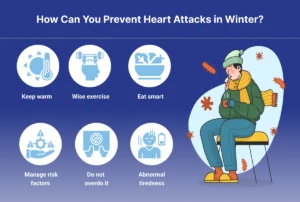
How to Prevent Heart Attacks in Winter
Cold weather can’t be avoided, but you can definitely reduce your heart risks by following simple precautions.
1. Keep Yourself Warm
Wear multiple layers of clothing, gloves, and scarves. Cover your head and ears when going outside. Avoid sudden exposure to very cold air, and try to stay indoors during early mornings and late nights.
2. Exercise Wisely
Don’t stop exercising in winter. Do light indoor activities such as yoga, stretching, or walking inside your home. Regular movement keeps your blood flowing and your heart strong.
3. Eat a Heart-Healthy Diet
Include more fruits, vegetables, whole grains, nuts, and lean proteins in your meals. Limit fried, oily, and heavy foods. Avoid overeating and stay hydrated.
4. Manage Your Health Conditions
If you have diabetes, hypertension, or high cholesterol, keep them under control. Monitor your sugar, cholesterol, and blood pressure regularly.
5. Avoid Overexertion
Don’t perform sudden heavy tasks like lifting, pushing, or shoveling snow. These sudden efforts can strain your heart.
6. Quit Smoking and Limit Alcohol
Smoking narrows the arteries, and cold weather tightens them further, doubling the heart’s stress. Quit smoking to improve your heart health.
7. Stay Calm and Manage Stress
Practice deep breathing or meditation. Stress raises blood pressure and harms your heart over time.
8. Watch for Warning Signs
If you feel chest pain, tiredness, or unusual sweating, contact a doctor immediately. Fast medical help can save your life.
9. Get Regular Check-ups
Routine heart check-ups help detect early signs of trouble. Visit Apollo Hospitals, Lucknow, and consult Dr. Ajay Bahadur, the Best heart doctor in Lucknow, for preventive screenings.
Winter Heart Care Tips for Seniors
Seniors are especially vulnerable to heart issues during cold weather. Here are some extra tips for them:
- Avoid going out early in the morning or late at night.
- Keep the room warm but ventilated.
- Take prescribed medicines regularly.
- Eat small, light meals several times a day.
- Avoid sudden changes in body temperature (like going from a hot room into cold air).
- Have someone check on you regularly if you live alone.
Emergency Care at Apollo Hospitals, Lucknow
Apollo Hospitals, Lucknow, provides 24/7 cardiac emergency care with advanced ICUs, modern heart monitoring systems, and expert cardiologists. The hospital’s team, led by Dr. Ajay Bahadur — known as one of the top 10 cardiologist in Lucknow — offers expert care for all kinds of heart problems, from diagnosis to recovery.
Whether you experience chest pain, breathlessness, or fatigue, timely treatment can save your life. Apollo Hospitals ensures immediate response and the highest level of cardiac care, especially during winter.
Final Thoughts (Heart Attack in Winter)
Winter is a time of joy and celebration, but it can also be a dangerous season for your heart. The cold temperature, less activity, and seasonal infections all increase the chance of heart problems.
By being aware of the warning signs, knowing the causes, and following preventive measures, you can enjoy winter safely. Keep your heart healthy by staying active, eating smart, keeping warm, and visiting your doctor regularly.
If you feel chest pain or discomfort, don’t delay. Visit Apollo Hospitals, Lucknow, and consult Dr. Ajay Bahadur, the Best heart doctor in Lucknow, for expert advice and treatment. Early action can save lives — maybe even yours.
Frequently Asked Questions (FAQs)
1) How to prevent a heart attack in winter?
Stay warm, eat healthy, exercise indoors, and monitor your blood pressure regularly. Never ignore chest pain; visit a doctor immediately.
2) What is the 7-second trick to prevent a heart attack?
Take slow deep breaths — inhale for 7 seconds and exhale slowly. It calms your nerves and helps your heart relax.
3) What are 5 ways to prevent a heart attack?
Regular exercise, healthy diet, quitting smoking, managing stress, and checking blood pressure and sugar levels.
4) How to calm down to avoid a heart attack?
Practice deep breathing, stay calm, and do gentle stretching or meditation to reduce stress on your heart.
5) What foods help prevent heart attacks?
Fruits, vegetables, nuts, fish, olive oil, and whole grains are heart-friendly. Avoid salty, sugary, and oily foods.
If you or your loved ones experience any heart symptoms this winter, contact the Best heart doctor in Lucknow – Dr. Ajay Bahadur at Apollo Hospitals, Lucknow.
Your heart deserves care — stay warm, stay safe, and stay heart-healthy!
