
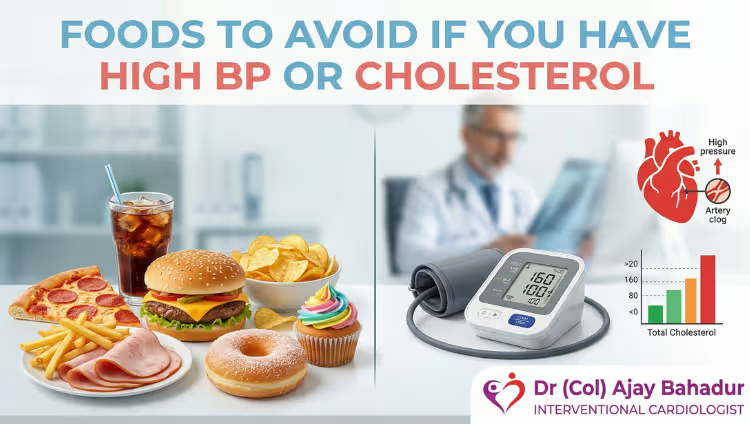
Foods to Avoid if You Have High BP or Cholesterol: A Simple Guide to a Healthy Heart
Your heart is the hardest-working organ in your body. It acts like a pump, sending blood to every corner of your system 24/7. However, two silent enemies can make this job very difficult: High Blood Pressure (BP) and High Cholesterol.
Most of the time, these conditions don’t have obvious symptoms. You might feel perfectly fine until a doctor tells you otherwise. The good news? You can control both of these issues by changing what you put on your plate.
In this guide, we will discuss the foods you should avoid, why they are harmful, and how you can make better choices. If you are living in Uttar Pradesh and feel you need expert advice, consulting the Best Cardiologist in Lucknow can help you create a personalized plan for your heart health.
Understanding the Basics: What are BP and Cholesterol?
Before we dive into the food list, let’s understand what we are fighting against in simple terms.
What is High Blood Pressure?
Think of your blood vessels as water pipes. If the water pressure is too high, the pipes can get damaged over time. High BP means the force of blood against your artery walls is too high, which can lead to heart attacks or strokes.
What is High Cholesterol?
Cholesterol is a waxy substance found in your blood. Your body needs some of it to build cells, but too much “bad” cholesterol (LDL) is like grease in a kitchen pipe. It sticks to the walls, narrows the passage, and eventually blocks blood flow.
If you are concerned about your levels, it is wise to visit a heart specialist for a proper screening.
1. The Salt Trap: Foods High in Sodium
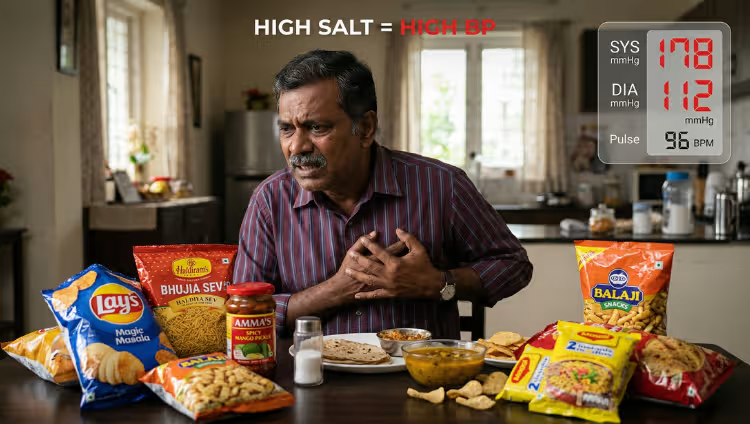
Sodium (salt) is the biggest enemy of blood pressure. When you eat too much salt, your body holds onto extra water to “wash” the salt out. This extra water increases your blood volume, which puts more pressure on your heart and blood vessels.
Foods to Avoid:
-
Table Salt: Adding extra salt to your cooked meals or salads is a big no-no.
-
Pickles (Achaar): These are preserved in huge amounts of salt. Even a small piece can exceed your daily limit.
-
Canned Soups and Veggies: Manufacturers add salt as a preservative.
-
Processed Meats: Salami, sausages, and frozen kebabs are loaded with sodium.
-
Salty Snacks: Chips, namkeen, salted peanuts, and crackers.
Step-by-Step: How to Reduce Salt in Your Diet
-
Stop the Shaker: Remove the salt shaker from your dining table.
-
Read Labels: Always check the “Sodium” content on packaged foods. Look for “Low Sodium” or “No Salt Added.”
-
Use Herbs: Use lemon juice, garlic, ginger, pepper, or herbs like coriander to flavor your food instead of salt.
-
Rinse Canned Food: If you must use canned beans or veggies, rinse them under running water to wash away some salt.
2. The Fat Factor: Saturated and Trans Fats
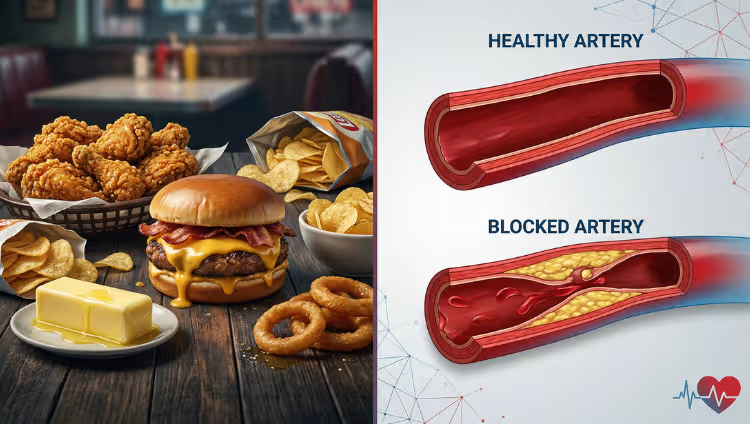
Not all fats are bad, but some are “heart-cloggers.” These fats raise your LDL (bad) cholesterol levels.
Foods to Avoid:
-
Red Meat: Fatty cuts of lamb (mutton), pork, and beef.
-
Full-Fat Dairy: Butter, cream, and full-fat cheese.
-
Vanaspati Ghee: This is a major source of trans fats in Indian kitchens.
-
Fried Foods: Pakoras, samosas, French fries, and fried chicken.
-
Baked Goods: Biscuits, cakes, and pastries often use “shortening,” which is high in trans fat.
Why are these bad?
Saturated fats tell your liver to produce more bad cholesterol. Trans fats are even worse—they raise your bad cholesterol and lower your good cholesterol (HDL) at the same time. If you have been eating these regularly, speaking to a heart doctor in Lucknow for a lipid profile test is a smart move.
3. The Hidden Danger: Added Sugars
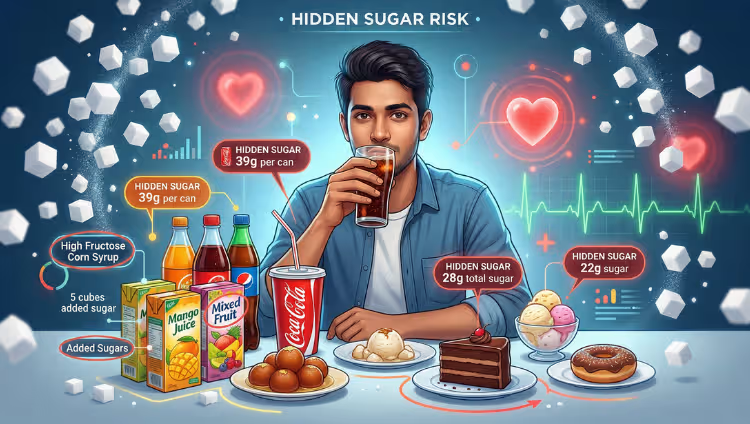
You might think sugar only affects diabetes, but it has a huge impact on your heart. Too much sugar leads to weight gain, which increases blood pressure. It also causes the liver to release more harmful fats into the bloodstream.
Foods to Avoid:
-
Sugary Drinks: Sodas, energy drinks, and sweetened fruit juices.
-
Sweets (Mithai): Jalebis, gulab jamuns, and other traditional sweets are high in both sugar and fat.
-
Breakfast Cereals: Many cereals that claim to be “healthy” are actually packed with sugar.
-
Flavored Yogurts: These often contain as much sugar as a candy bar.
4. Refined Carbohydrates
Refined carbs are “white” foods that have been stripped of their fiber. They digest quickly, causing a spike in blood sugar and eventually hurting your heart health.
Foods to Avoid:
-
White Bread and Maida: Used in naan, rumali roti, and white bread.
-
White Rice: Eating large portions of white rice every day can contribute to weight gain.
-
Pasta and Noodles: Especially the instant varieties, which also have high salt.
5. Alcohol and Excess Caffeine
While a little caffeine might be okay for some, too much can cause a temporary spike in blood pressure. Alcohol is worse; it is high in calories and can interfere with BP medications.
-
Avoid: Excessive tea/coffee (more than 2 cups a day).
-
Avoid: Heavy drinking, as it weakens the heart muscle over time.
A Simple Step-by-Step Guide to Changing Your Eating Habits
Changing your diet doesn’t happen overnight. Follow these steps to make it easier:
Step 1: Clean Your Pantry
Throw away (or give away) the packets of chips, biscuits with trans fats, and instant noodles. If it’s not in the house, you won’t eat it!
Step 2: Switch Your Cooking Oil
Instead of using vanaspati or butter, switch to heart-healthy oils like olive oil, mustard oil, or sunflower oil in moderation. Remember, even “good” oil should be used sparingly.
Step 3: Increase Fiber Intake
Fiber acts like a broom that sweeps cholesterol out of your body.
-
Eat whole fruits instead of drinking juice.
-
Switch white rice for brown rice or dalia (broken wheat).
-
Add more green leafy vegetables to every meal.
Step 4: Watch Your Portions
Even healthy food can be bad if you eat too much of it. Use smaller plates to help control your portion sizes.
Step 5: Regular Checkups
Diet is half the battle. The other half is professional monitoring. Ensure you visit a heart specialist in Lucknow at least once every six months to track your progress.
Health Swaps: Eat This, Not That
| Instead of This (Bad for Heart) | Try This (Good for Heart) |
| Fried Samosa | Roasted Makhana or Chana |
| White Bread / Naan | Whole Wheat Roti / Missi Roti |
| Butter or Ghee | Small amount of Olive or Mustard Oil |
| Whole Milk | Skimmed or Toned Milk |
| Salty Pickles | Fresh Lemon or Vinegar Salads |
| Sugary Soda | Coconut Water or Buttermilk (Chaach) |
Why You Should Not Ignore High BP and Cholesterol
High BP and cholesterol are often called “silent killers.” They don’t cause pain, so people often ignore them. However, over time, they lead to:
-
Heart Attack: When a blood vessel in the heart gets completely blocked.
-
Stroke: When a blood vessel in the brain bursts or gets blocked.
-
Kidney Failure: High BP damages the small filters in your kidneys.
-
Vision Loss: High BP can damage the blood vessels in your eyes.
If you have a family history of heart disease, it is even more important to be careful. Consulting the Best Cardiologist in Lucknow early can prevent these serious complications.
Frequently Asked Questions (FAQs)
1. Can I eat eggs if I have high cholesterol?
Yes, but in moderation. Most of the cholesterol is in the yolk. You can safely eat egg whites every day. If your cholesterol is very high, limit whole eggs to 2-3 per week, or as advised by your heart doctor in Lucknow.
2. Is coffee bad for high blood pressure?
Coffee can cause a short-term rise in blood pressure. If you already have high BP, it is best to limit yourself to 1 or 2 cups a day and avoid drinking it right before activities that naturally raise BP, like exercise.
3. Can drinking water lower my cholesterol?
Water itself doesn’t lower cholesterol, but staying hydrated helps your body function better. Replacing sugary drinks and sodas with water is one of the best things you can do for your heart.
4. Is Ghee better than Butter for heart patients?
While Ghee is a part of traditional Indian diets, it is still a saturated fat. If you have high cholesterol, you should limit your intake of both ghee and butter. Using a small amount of vegetable oil is usually a better option.
5. How long does it take to lower cholesterol through diet?
With a strict diet and regular exercise, you may see changes in your blood reports in as little as 6 to 8 weeks. However, heart health is a lifelong commitment.
6. Do I need medicine if I change my diet?
This depends on how high your levels are. Sometimes diet is enough, but often medicine is needed to help the process. You should never stop your medication without asking a Heart specialist in Lucknow.
Conclusion
Your heart health is literally in your hands. By avoiding high-salt, high-fat, and high-sugar foods, you give your heart a chance to stay strong and healthy. Remember, you don’t have to change everything in one day. Start by making one or two small changes this week—like skipping the extra salt or choosing a fruit over a biscuit.
However, diet is only one part of the puzzle. Regular exercise and professional medical advice are equally important. If you haven’t had your heart checked recently, now is the time.
Take Charge of Your Heart Health Today!
Are you looking for expert guidance on managing your blood pressure or cholesterol? Don’t wait for a medical emergency to take action.
Contact the Best Cardiologist in Lucknow today! Whether you need a routine checkup or a detailed heart health plan, our expert Dr. Ajay Bahadur is here to help you live a longer, healthier life.
👉 Book your appointment now with the leading Heart specialist in Lucknow!
