
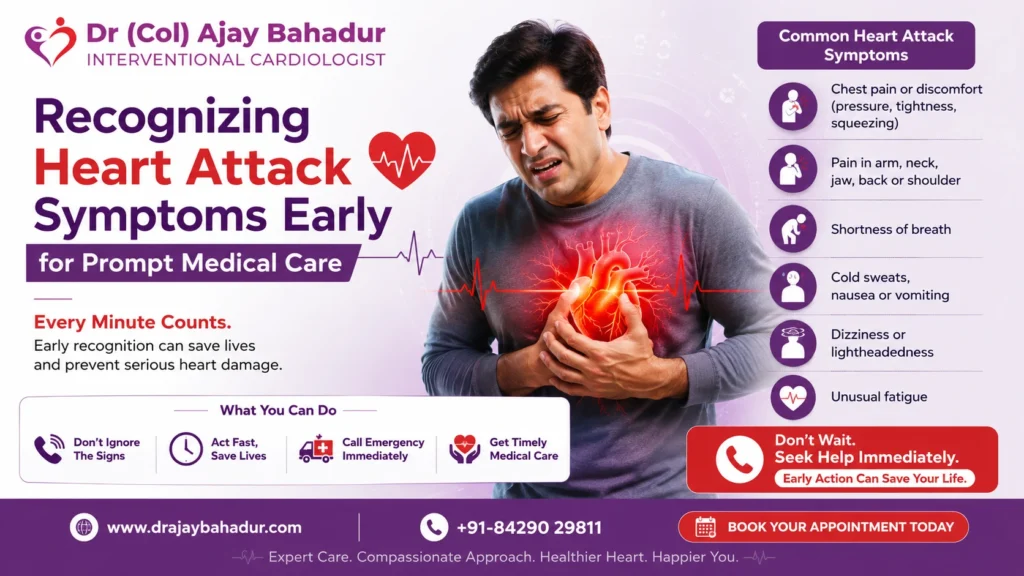
Recognizing the warning signs of a heart attack is the most critical step in surviving one. Every second counts when the blood supply to your heart is compromised. Understanding these signals allows you to act quickly, potentially saving your life or the life of a loved one.
Why Is Recognizing a Heart Attack Early So Important?
A heart attack is a race against time. The longer the heart remains without oxygenated blood, the more damage the muscle sustains. When you recognize symptoms early, you can access life-saving interventions before the damage becomes irreversible.
Many deaths occur within the first hour of the onset of symptoms. Consequently, timely medical intervention is the primary factor in determining long-term outcomes. Consulting the Best Heart Specialist in Lucknow can provide the necessary expertise to navigate these critical moments and ensure a smoother recovery.
Can Early Treatment Save Heart Muscle?
Medical professionals often say that “time is muscle.” This means that rapid treatment restores blood flow and limits the size of the heart attack. If blood flow is restored quickly, the heart can maintain most of its pumping strength.
Modern treatments like angioplasty and clot-busting medications are highly effective. However, they must be administered as soon as possible to be successful. Therefore, arriving at a hospital early is the best way to preserve your cardiac function.
Why Do Many People Ignore the Warning Signs?
People often mistake heart attack symptoms for less serious issues like indigestion or muscle strain. Some individuals feel they are too young or too healthy to have a heart problem. Others may fear “making a scene” if it turns out to be a false alarm.
Social stigma and denial can be dangerous obstacles to care. It is always better to be evaluated for a false alarm than to ignore a genuine emergency. If you feel something is wrong, do not wait for the pain to become unbearable.
What Is a Heart Attack?
A heart attack, medically known as a Myocardial Infarction, occurs when the flow of blood to a part of the heart muscle is blocked. This blockage prevents oxygen from reaching the cells. Without oxygen, the heart tissue begins to die.
Most heart attacks result from Coronary Artery Disease. In this condition, fatty deposits called plaque build up inside the arteries. When a piece of plaque ruptures, a blood clot forms, which can completely block the artery.
How Does a Heart Attack Happen?
The process usually begins years before the actual event. Plaque slowly narrows the coronary arteries over time. Eventually, the narrowed passage becomes a high-risk zone for blockages.
When the blockage occurs, the heart continues to try to pump. However, the lack of oxygen causes the muscle to cramp and fail. This failure manifests as the various symptoms we recognize as a heart attack.
What Happens Inside the Heart During a Heart Attack?
Inside the heart, the affected muscle begins to turn “ischemic,” meaning it is starving for oxygen. If the blockage persists for more than 20 to 30 minutes, the muscle cells start to die. This process is called necrosis.
The heart’s electrical system can also be disrupted during this time. This may lead to dangerous heart rhythms called arrhythmias. These arrhythmias are often the cause of sudden cardiac arrest during a heart attack.
Why Every Minute Matters
During a cardiac emergency, medical teams aim for the “Golden Hour.” This refers to the first 60 minutes after symptoms begin. Receiving treatment within this window significantly lowers the risk of death and heart failure.
Every minute of delay increases the likelihood of permanent disability. Even if the symptoms seem mild, the underlying blockage could be severe. Prompt action ensures that doctors can use the full range of modern treatments to save your heart.
What Are the Earliest Symptoms of a Heart Attack?
The symptoms of a heart attack are not always dramatic. While some people experience sudden, crushing pain, others feel a slow build-up of discomfort. Knowing the subtle signs is essential for early detection.
Chest Pain or Pressure
Chest discomfort is the most common sign. It may feel like pressure, squeezing, fullness, or a dull ache. This sensation usually lasts for more than a few minutes or goes away and comes back.
Pain in the Left Arm, Jaw, Neck, or Back
The pain often radiates outward from the chest. You might feel a sharp or dull sensation in your left arm, though it can also affect the right. The jaw and neck may feel tight or sore, often resembling a toothache.
Shortness of Breath
You might feel like you cannot catch your breath, even while resting. This symptom can occur with or without chest discomfort. It is a sign that the heart is struggling to pump blood to the lungs efficiently.
Cold Sweating
Breaking out in a cold sweat for no apparent reason is a major red flag. This often happens because the body’s “fight or flight” response is triggered by the stress on the heart. It is frequently accompanied by pale or clammy skin.
Nausea and Vomiting
Some patients feel sick to their stomach or experience actual vomiting. This is particularly common in women and older adults. These symptoms are often misdiagnosed as food poisoning or a stomach virus.
Dizziness or Lightheadedness
Feeling faint or suddenly unsteady can indicate a drop in blood pressure. If your heart cannot pump enough blood to your brain, you will feel dizzy. This symptom should never be ignored, especially if combined with chest pressure.
Extreme Fatigue
A sense of overwhelming tiredness can precede a heart attack by days or even weeks. You may find it difficult to perform simple tasks like making the bed or walking to the mailbox. This fatigue is often unexplained and persistent.
Heart Attack Symptoms Table
| Symptom | How It Feels | When to Seek Emergency Care |
| Chest Discomfort | Pressure, squeezing, or fullness in the center of the chest. | If it lasts more than 5 minutes. |
| Upper Body Pain | Discomfort in arms, back, neck, jaw, or stomach. | If it occurs suddenly alongside chest pain. |
| Shortness of Breath | Feeling winded or unable to breathe deeply. | Immediately, especially if resting. |
| Cold Sweat | Sudden clammy skin and perspiration without exertion. | If accompanied by nausea or lightheadedness. |
| Nausea | Feeling like you need to vomit or have “indigestion.” | If typical antacids do not help. |
Can Heart Attack Symptoms Be Different in Women?
Yes, women often experience heart attacks differently than men. While chest pain is still common, women are more likely to report atypical symptoms. This often leads to delays in seeking treatment.
Why Women Often Experience Atypical Symptoms
Research suggests that women may have blockages in smaller arteries rather than just the main ones. This is known as small vessel heart disease. Because the location of the blockage differs, the sensation of the heart attack changes as well.
Symptoms That Are Common in Women
Women frequently report shortness of breath, nausea, and back or jaw pain. They might also feel a sense of impending doom or extreme anxiety. These signs are often subtle, leading many women to dismiss them as stress.
Why Heart Attacks Are Frequently Missed
Because women’s symptoms can be vague, both patients and doctors sometimes overlook them. Women must advocate for themselves. If you feel something is wrong with your heart, insist on a cardiac evaluation.
Heart Attack Symptoms in Men vs Women
| Symptom Feature | Men | Women |
| Primary Symptom | Crushing chest pain (“Elephant on chest”) | Shortness of breath and pressure |
| Pain Location | Left arm and chest | Jaw, neck, and upper back |
| Associated Signs | Sweating and nausea | Fatigue, dizziness, and indigestion |
| Symptom Onset | Often sudden and intense | Can be gradual or intermittent |
Can Young Adults Have a Heart Attack?
Heart attacks are no longer a condition exclusive to the elderly. In recent years, there has been a concerning rise in cardiac events among people in their 20s and 30s. Age is not a shield against heart disease.
Risk Factors in Younger People
The increase in youth heart attacks is often linked to rising rates of obesity and Type 2 diabetes. Additionally, high-stress environments and poor sleep cycles contribute to early arterial damage. Substance abuse, including excessive vaping or stimulant use, also plays a role.
Lifestyle Habits That Increase Risk
Sedentary lifestyles and diets high in processed sugars create a perfect storm for heart issues. Younger individuals often ignore mild symptoms because they believe they are “too young” for heart trouble. This delay can lead to more severe outcomes.
Why Age Is Not the Only Risk Factor
Genetics can also predispose young people to high cholesterol, known as Familial Hypercholesterolemia. When combined with modern lifestyle stressors, the risk increases exponentially. Regular checkups are essential regardless of your age.
Which Risk Factors Increase the Chances of a Heart Attack?
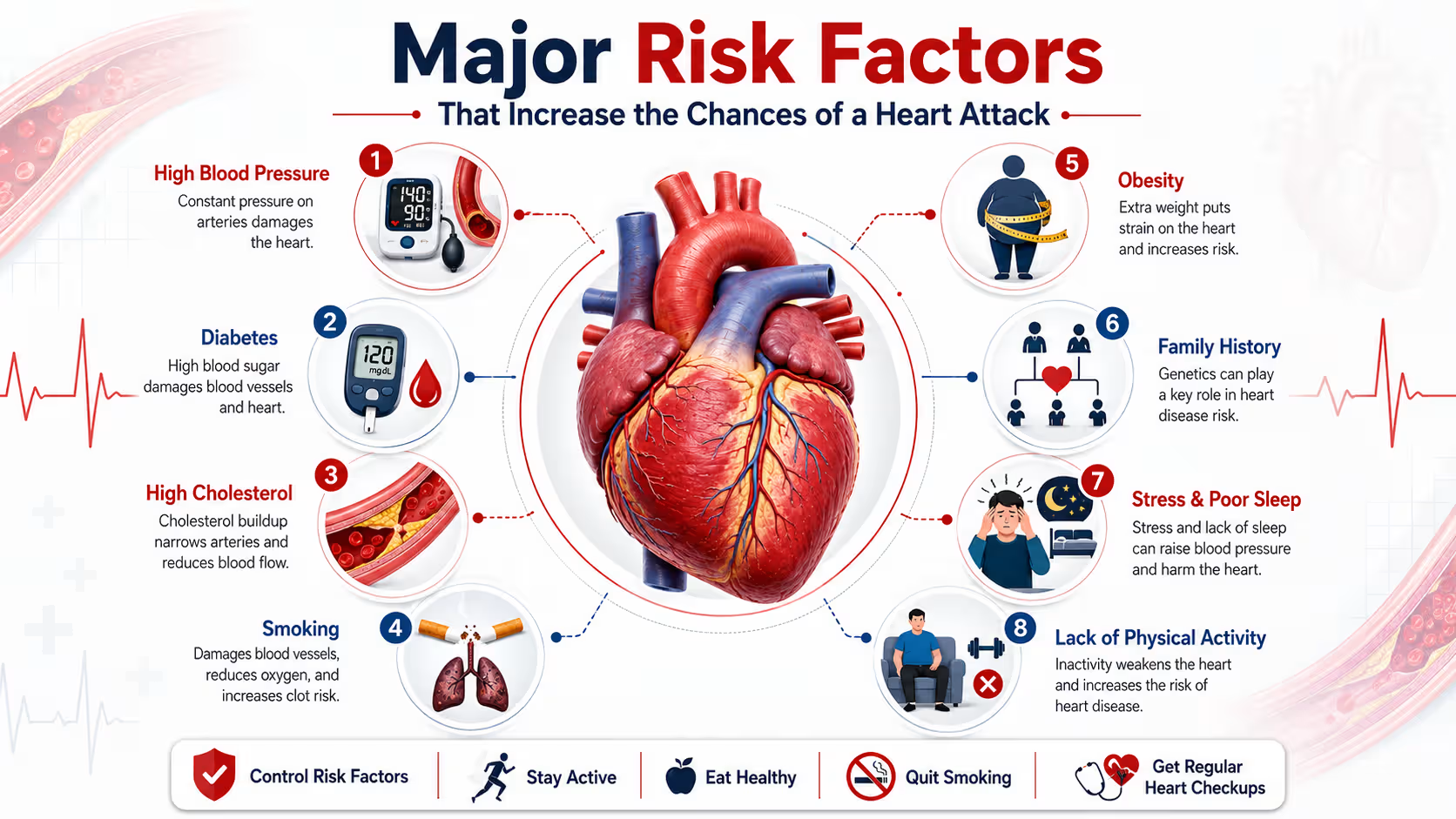
Certain health conditions and lifestyle choices significantly raise your risk. Identifying these factors early allows for preventative intervention. Managing these risks can prevent the onset of Coronary Artery Disease.
High Blood Pressure
Also known as hypertension, this condition puts constant strain on the artery walls. Over time, this pressure causes scarring, which allows plaque to build up more easily. Controlling blood pressure is a cornerstone of heart health.
Diabetes
High blood sugar levels damage the blood vessels and the nerves that control the heart. People with diabetes are much more likely to develop heart disease at an earlier age. Managing glucose is vital for long-term survival.
High Cholesterol
Low-density lipoprotein (LDL), or “bad” cholesterol, contributes to plaque formation. High levels of LDL can narrow your arteries significantly. Maintaining a healthy lipid profile is essential for preventing blockages.
Smoking
Smoking is one of the most significant preventable risk factors. The chemicals in tobacco damage blood cells and hurt the structure of your blood vessels. This damage increases the risk of atherosclerosis and sudden blood clots.
Obesity
Carrying excess weight, especially around the abdomen, increases the strain on the heart. Obesity is often linked to other risk factors like high blood pressure and diabetes. Losing even a small amount of weight can improve heart function.
Family History
If a close relative had a heart attack at a young age, your risk might be higher. Genetic factors influence how your body processes fats and manages inflammation. Knowing your family history helps you stay vigilant.
Stress and Poor Sleep
Chronic stress leads to high cortisol levels, which can damage arteries. Similarly, poor sleep or sleep apnea deprives the heart of the rest it needs. Both factors contribute heavily to modern cardiac risks.
Lack of Physical Activity
An inactive lifestyle weakens the heart muscle and leads to weight gain. Regular exercise helps keep the blood vessels flexible and improves circulation. Aim for at least 150 minutes of moderate activity per week.
How Can You Tell the Difference Between a Heart Attack and Gas Pain?
It is very common for patients to confuse heart-related pain with gastrointestinal issues. However, the stakes are very different. Distinguishing between the two requires careful attention to the nature of the pain.
Key Differences
Gas pain is often sharp and may move around the abdomen. It is frequently relieved by burping or passing gas. Heart attack pain, conversely, is usually a constant pressure that does not change with movement or position.
Warning Signs You Should Never Ignore
If chest discomfort is accompanied by sweating, breathlessness, or radiation to the jaw, it is likely not gas. If the pain worsens with physical exertion, it is a strong indicator of a cardiac issue. When in doubt, always seek an emergency evaluation.
When Should You Go to the Hospital?
If you have any doubts about the source of your pain, go to the Emergency Room. It is better to have a negative test for a heart attack than to stay home during a real one. Rapid screening can quickly rule out life-threatening conditions.
Heart Attack vs Gas Pain
| Feature | Heart Attack | Gas Pain / Indigestion |
| Type of Pain | Pressure, squeezing, or heaviness | Sharp, stabbing, or bloating |
| Location | Center or left of chest; radiates | Lower chest or abdominal area |
| Triggers | Often triggered by physical exertion | Often triggered by food or lying down |
| Relief | Not relieved by antacids or burping | Often relieved by burping or antacids |
| Other Signs | Sweating, shortness of breath | Bloating, flatulence, acidic taste |
What Should You Do If You Suspect a Heart Attack?
Acting quickly is the most important thing you can do. Following a structured response guide can keep you focused during a high-stress situation. Here is the step-by-step emergency response.
Step 1: Call Emergency Medical Services Immediately
Do not try to drive yourself to the hospital. Calling for an ambulance ensures that medical care begins the moment the paramedics arrive. They can perform an ECG and start treatment on the way to the facility.
Step 2: Stay Calm and Avoid Physical Activity
Sit or lie down and try to remain calm. Physical exertion increases the demand for oxygen in the heart, which can worsen the damage. Loosen any tight clothing to make breathing easier.
Step 3: Take Aspirin Only If Recommended
If you are not allergic, chewing an aspirin can help thin the blood and break down clots. However, you should only do this if emergency dispatchers or doctors advise it. Aspirin can sometimes interfere with other conditions.
Step 4: Reach the Nearest Hospital Without Delay
The goal is to get to a hospital equipped for cardiac emergencies as fast as possible. Once there, the medical team will prioritize your care to restore blood flow.
How Is a Heart Attack Diagnosed?
When you arrive at the hospital, doctors use several tests to confirm a heart attack. These tests help determine the location and severity of the blockage. Fast diagnosis is the key to selecting the right treatment.
ECG (Electrocardiogram)
An ECG records the electrical activity of your heart. It is the first test performed and can show if a heart attack is currently happening. It also helps identify which part of the heart is being affected.
Cardiac Blood Tests
When heart muscle is damaged, it releases specific proteins into the blood. The most common test looks for Troponin. Rising levels of Troponin are a definitive sign of heart muscle injury.
Echocardiography
This is an ultrasound of the heart. It allows doctors to see how the heart is pumping. If certain areas of the heart are not moving properly, it suggests a lack of blood flow to that region.
Coronary Angiography
During this procedure, a thin tube is inserted into a blood vessel and guided to the heart. Dye is injected to make the arteries visible on X-rays. This helps the Best Cardiologist in Lucknow see exactly where the blockages are located.
CT Coronary Angiography
This is a non-invasive imaging test that uses powerful X-rays to produce 3D images of your heart. It is often used for patients with stable symptoms to check for plaque buildup. It provides a detailed map of the coronary arteries.
Diagnostic Tests Comparison Table
| Test Name | Purpose | How It’s Done |
| ECG | Checks electrical activity | Stickers placed on the chest |
| Troponin Test | Identifies muscle damage | Blood sample analysis |
| Echocardiogram | Visualizes heart pumping | Ultrasound wand on chest |
| Angiography | Locates specific blockages | Catheter and dye injection |
| Stress Test | Checks heart under load | Treadmill or medication |
What Are the Treatment Options for a Heart Attack?
Once a heart attack is confirmed, the primary goal is to open the blocked artery. The choice of treatment depends on the severity of the blockage and the patient’s overall health. Modern medicine offers highly successful interventions.
Emergency Medications
Doctors may use “clot-busters” (thrombolytics) to dissolve the obstruction. Other medications, like beta-blockers and ACE inhibitors, help reduce the workload on the heart. These drugs are essential for stabilizing the patient.
Angioplasty
Angioplasty involves using a small balloon to push the plaque against the artery walls. This widens the passage and restores blood flow. It is often the preferred emergency treatment for severe heart attacks.
Stent Placement
During angioplasty, a small mesh tube called a stent is usually placed in the artery. The stent acts as a scaffold to keep the artery open long-term. Many modern stents are coated with medication to prevent future blockages.
Bypass Surgery
In cases where multiple arteries are blocked, Coronary Artery Bypass Grafting (CABG) may be necessary. Surgeons use a healthy blood vessel from another part of the body to “bypass” the blocked segment. This creates a new path for blood to reach the heart.
Cardiac Rehabilitation
Recovery doesn’t end when you leave the hospital. Cardiac rehabilitation is a supervised program of exercise, education, and counseling. It helps patients strengthen their hearts and adopt heart-healthy habits. Consulting the Best Cardiologist in Lucknow for a follow-up plan ensures long-term success.
Can Heart Attacks Be Prevented?
Prevention is the most effective way to deal with heart disease. By managing your risk factors today, you can significantly reduce your chances of a future event. Small changes in daily habits yield massive health benefits.
Eat a Heart-Healthy Diet
Focus on fruits, vegetables, whole grains, and lean proteins. Reduce your intake of saturated fats, trans fats, and sodium. A Mediterranean-style diet is often recommended by specialists for its heart-protective qualities.
Exercise Regularly
Physical activity strengthens the heart and helps control weight. Aim for consistency rather than intensity. Walking, swimming, or cycling for 30 minutes a day can transform your cardiovascular health.
Control Blood Pressure and Diabetes
Monitor your levels regularly and take prescribed medications as directed. Consistency is key to preventing long-term damage to your arteries. Do not stop medications without consulting your doctor.
Maintain Healthy Cholesterol Levels
Through diet and, if necessary, statins, keep your LDL cholesterol low. High-density lipoprotein (HDL) or “good” cholesterol should be kept high through exercise. This balance prevents the growth of arterial plaque.
Stop Smoking
Quitting smoking is the single best thing you can do for your heart. Within one year of quitting, your risk of a heart attack drops by half. There are many resources available to help you quit for good.
Manage Stress
Incorporate relaxation techniques like meditation, yoga, or deep breathing into your routine. Managing stress prevents the spikes in blood pressure that can trigger a cardiac event. Prioritize mental health as part of your physical health.
Get Regular Heart Checkups
Routine screenings can catch high blood pressure or cholesterol before they cause symptoms. Early intervention is much easier than treating a heart attack. Regular visits to a specialist ensure your heart is functioning optimally.
When Should You Consult a Cardiologist?
You shouldn’t wait for an emergency to see a heart specialist. If you have risk factors or notice subtle changes in your health, a consultation is a wise move. Early diagnosis can prevent a crisis before it starts.
Persistent Chest Pain
Even if the pain is mild, if it keeps coming back, you need an evaluation. This could be angina, which is a warning sign of underlying heart disease. A specialist can run tests to determine the cause.
Breathlessness During Routine Activities
If you find yourself winded after walking a short distance, your heart might not be pumping effectively. This symptom can be a sign of heart failure or valve issues. Early treatment can manage these conditions effectively.
Frequent Palpitations
If your heart skips beats or races without reason, it could be an arrhythmia. While often harmless, some rhythms increase the risk of stroke or heart failure. A cardiologist can monitor your heart rhythm to ensure safety.
Family History of Heart Disease
If heart attacks run in your family, you may need earlier and more frequent screenings. Genetic testing and specialized imaging can help assess your personal risk level. Knowledge is your best defense against hereditary risks.
Unexplained Fatigue
If you are always tired despite getting enough rest, your heart might be struggling. Fatigue is a common symptom of many heart conditions. A thorough checkup can rule out or identify the underlying cause.
Expert Insights
Dr Ajay Bahadur, an experienced Heart Doctor in Lucknow, emphasizes that recognizing early symptoms and seeking immediate treatment can prevent serious heart damage and significantly improve survival rates. He notes that many patients wait too long because they hope the pain will just go away.
Furthermore, regular cardiac screening is essential for those with lifestyle risks. Dr Ajay Bahadur advocates for proactive heart health management. By identifying plaque buildup early, doctors can use non-invasive methods to keep patients healthy and active.
Common Myths About Heart Attacks
| Myth | Fact |
| Only elderly people have heart attacks. | Heart attacks are increasing among people in their 20s and 30s. |
| You always feel severe chest pain. | Many people experience only mild pressure or indigestion. |
| Women are at lower risk than men. | Heart disease is the leading cause of death for women globally. |
| If you are fit, you can’t have a heart attack. | Genetics and stress can cause heart attacks in very fit individuals. |
Key Takeaways
-
Never Ignore Chest Pain: Even if it feels like minor pressure, treat it as a potential emergency.
-
Early Treatment Saves Heart Muscle: The “Golden Hour” is critical for survival and long-term recovery.
-
Lifestyle Changes Reduce Risk: Diet, exercise, and quitting smoking are your best defenses.
-
Regular Screening Protects Heart Health: Catching issues early prevents major cardiac events.
-
Atypical Symptoms are Real: Women and diabetics should be especially aware of non-chest-pain symptoms.
Conclusion
Recognizing early symptoms of a heart attack can save lives. Whether it is a dull ache or sudden breathlessness, acting quickly determines your future health. Immediate medical attention improves recovery and reduces complications like heart failure.
Regular heart checkups and healthy lifestyle habits are essential for prevention. Do not let fear or denial stop you from seeking help. Early consultation with an experienced cardiologist can make a significant difference in your quality of life.
If you are experiencing symptoms or want to assess your cardiac health, consult Dr Ajay Bahadur for expert heart care. As a top cardiologist in Lucknow, he offers comprehensive diagnostic and treatment options to keep your heart strong.
FAQs
Q1. What are the early symptoms of a heart attack?
The early symptoms of a heart attack may include chest pain or pressure, discomfort in the jaw, neck, shoulders, or arms, shortness of breath, cold sweats, nausea, dizziness, and unusual fatigue. Recognizing these warning signs early can help you seek life-saving medical treatment.
Q2. Can the early symptoms of a heart attack occur without chest pain?
Yes. Some people experience the early symptoms of a heart attack without severe chest pain. Instead, they may notice breathlessness, nausea, fatigue, sweating, or discomfort in the jaw, back, or arms. These symptoms are more common in women, older adults, and people with diabetes.
Q3. How long do the early symptoms of a heart attack last?
The early symptoms of a heart attack typically last longer than five minutes and may come and go. If chest discomfort or other warning signs persist, seek emergency medical care immediately instead of waiting for the symptoms to worsen.
Q4. What should I do if I notice the early symptoms of a heart attack?
If you experience the early symptoms of a heart attack, call emergency medical services immediately. Avoid driving yourself to the hospital. Sit or lie down, remain calm, and, if advised by your doctor and not allergic, chew an aspirin while waiting for emergency assistance.
Q5. Can young adults experience the early symptoms of a heart attack?
Yes. Young adults can also develop the early symptoms of a heart attack due to smoking, obesity, stress, diabetes, high blood pressure, unhealthy eating habits, or a family history of heart disease. Early diagnosis and lifestyle changes can significantly reduce the risk.
Q6. How are the early symptoms of a heart attack diagnosed?
Doctors evaluate the early symptoms of a heart attack using an Electrocardiogram (ECG), blood tests such as Troponin, and imaging tests like an Echocardiogram or Coronary Angiography to confirm heart muscle damage and identify blocked arteries.
Q7. Can lifestyle changes help prevent the early symptoms of a heart attack?
Yes. Maintaining a healthy weight, exercising regularly, eating a balanced diet, quitting smoking, managing blood pressure, cholesterol, and diabetes, and having routine heart checkups can significantly lower the risk of developing the early symptoms of a heart attack.
Q8. What foods can reduce the risk of heart disease and early symptoms of a heart attack?
A heart-healthy diet rich in fruits, vegetables, whole grains, nuts, seeds, olive oil, and omega-3-rich fish supports cardiovascular health. Limiting processed foods, excess salt, sugar, and unhealthy fats can reduce the risk of heart disease and the early symptoms of a heart attack.
Q9. Why is immediate treatment important after the early symptoms of a heart attack appear?
Treatment should begin as soon as the early symptoms of a heart attack appear. Receiving medical care within the Golden Hour helps restore blood flow, minimizes permanent heart muscle damage, improves recovery, and increases the chances of survival.