
Posted By Dr.Ajay Bahadur | Cardiologist in Lucknow
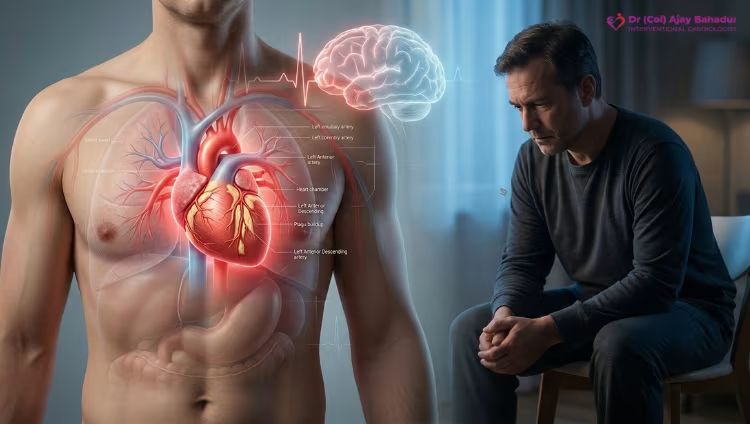
Most people view depression strictly as a mental health issue. We know it affects your mood, motivation, and relationships. However, scientific research shows that depression also quietly damages your heart.
This damage doesn’t happen overnight. Instead, it occurs over time through biological processes that genuinely matter. Here is the truth about how your emotional health dictates your cardiovascular future.
How Your Body Reacts to Depression
When you experience depression, your body treats it as a constant threat. Consequently, your stress hormones stay elevated, and your immune system remains on high alert. Your heart beats faster and harder than it should for extended periods.
This isn’t just a “mental” experience; it is a physical strain. When this state persists for months or years, your cardiovascular system begins to break down.
3 Ways Depression Damages the Cardiovascular System
There are three primary biological pathways where depression intersects with heart health:
1. Chronic Inflammation
Depression raises inflammatory markers in your blood. While inflammation doesn’t block arteries directly, it makes existing plaque fragile and unstable. If this plaque ruptures, a clot forms, which can trigger a sudden heart attack.
2. Nervous System Overdrive
Depression keeps your body in a “fight or flight” state. This results in higher adrenaline levels and a higher resting heart rate. Over time, this constant stress damages the lining of your blood vessels and increases your blood pressure.
3. Blood Clotting Issues
Interestingly, depression makes your blood more likely to clot. When you combine this with other factors like poor sleep or smoking, the risk of a cardiac event increases significantly.
Why “Willpower” Isn’t the Answer
A common misconception is that people with depression simply “choose” poor lifestyles. While it is true that depressed individuals may struggle to exercise or eat well, the cause isn’t laziness.
Depression physically affects the part of the brain responsible for initiating action. Tasks like preparing a healthy meal or remembering a pill can feel impossible. Therefore, the depression itself acts as a physical barrier to heart-healthy habits.
The “Accelerant” Effect: Does Depression Cause Heart Attacks?
In a healthy 25-year-old, depression likely won’t cause a heart attack directly. However, for someone with high blood pressure or a family history of heart disease, depression acts as an accelerant. It lowers the threshold for a crisis and makes a cardiac event more likely to happen sooner.
The Two-Way Street
The relationship works both ways. Approximately 1 in 4 heart attack survivors develop major depression afterward. The trauma and fear of a recurring event take a heavy toll. If left untreated, this depression increases the risk of a second heart attack because patients are less likely to follow their rehabilitation plans.
Special Risks for Younger Adults
Heart attacks in people under 45 are on the rise, and depression is a major contributing factor. Younger people often skip routine heart screenings, assuming they are “too young” for issues. Meanwhile, untreated depression silently builds metabolic risks—like insulin resistance and abdominal weight gain—that become visible a decade later.
How to Protect Both Your Mind and Your Heart
You should take this connection seriously if you have high blood pressure, a family history of heart disease, or persistent sleep issues. Here is how to take action:
-
Treat Depression Early: Don’t wait. Early intervention lowers inflammation and stabilizes your nervous system.
-
Prioritize Sleep: Sleep is when your body regulates stress hormones. Prioritize it even above the gym or diet.
-
Coordinate Your Care: Ensure your cardiologist and psychiatrist talk to each other. Some antidepressants can affect heart rhythms, while others actually help reduce clotting.
-
Monitor Basic Vitals: Keep an eye on your blood pressure, glucose levels, and C-reactive protein (CRP) markers.
Final Thought: Your Heart and Mind are Connected
Depression isn’t just “in your head”—it is a physical strain on your heart. From rising inflammation to higher blood pressure, your emotional health directly dictates your cardiac risk. Taking care of your mental well-being is one of the most important things you can do to prevent a heart attack.
Don’t ignore the silent signals. Prioritize your heart health with expert care.
Consult the Expert
Take a proactive step toward a healthier life. For comprehensive cardiac check-ups and advanced heart care, visit the top specialist in the city.
Dr. Ajay Bahadur – Best Heart Specialist in Lucknow
Frequently Asked Questions (FAQs)
Can treating depression lower my heart disease risk?
Yes. Successful treatment reduces systemic inflammation and helps your nervous system return to a resting state.
I have chest pain, but my scans are normal. What gives?
It could be microvascular angina. This affects the tiny vessels in the heart that standard scans often miss. It is frequently linked to stress and depression, especially in women.
Do I need two different doctors?
Ideally, yes. However, you must act as the bridge between them. Always provide a full medication list to both your heart specialist and your mental health provider to avoid dangerous interactions.
