
Understanding your cholesterol levels is one of the most critical steps you can take toward ensuring a long and healthy life. In India, heart disease has become a leading cause of mortality, often affecting individuals at a much younger age than in Western populations. Despite its significant impact, high cholesterol remains one of the most misunderstood health metrics.
High cholesterol is frequently referred to as a “silent killer” because it does not typically present outward symptoms until it has already caused significant damage to the cardiovascular system. Whether you are in your 20s or your 60s, keeping a close eye on your lipid profile is essential for preventing heart attacks and strokes. Regular screening and consultation with experts like Dr. Ajay Bahadur, the Best Cardiologist in Lucknow, can help you navigate these numbers and build a roadmap for heart health.
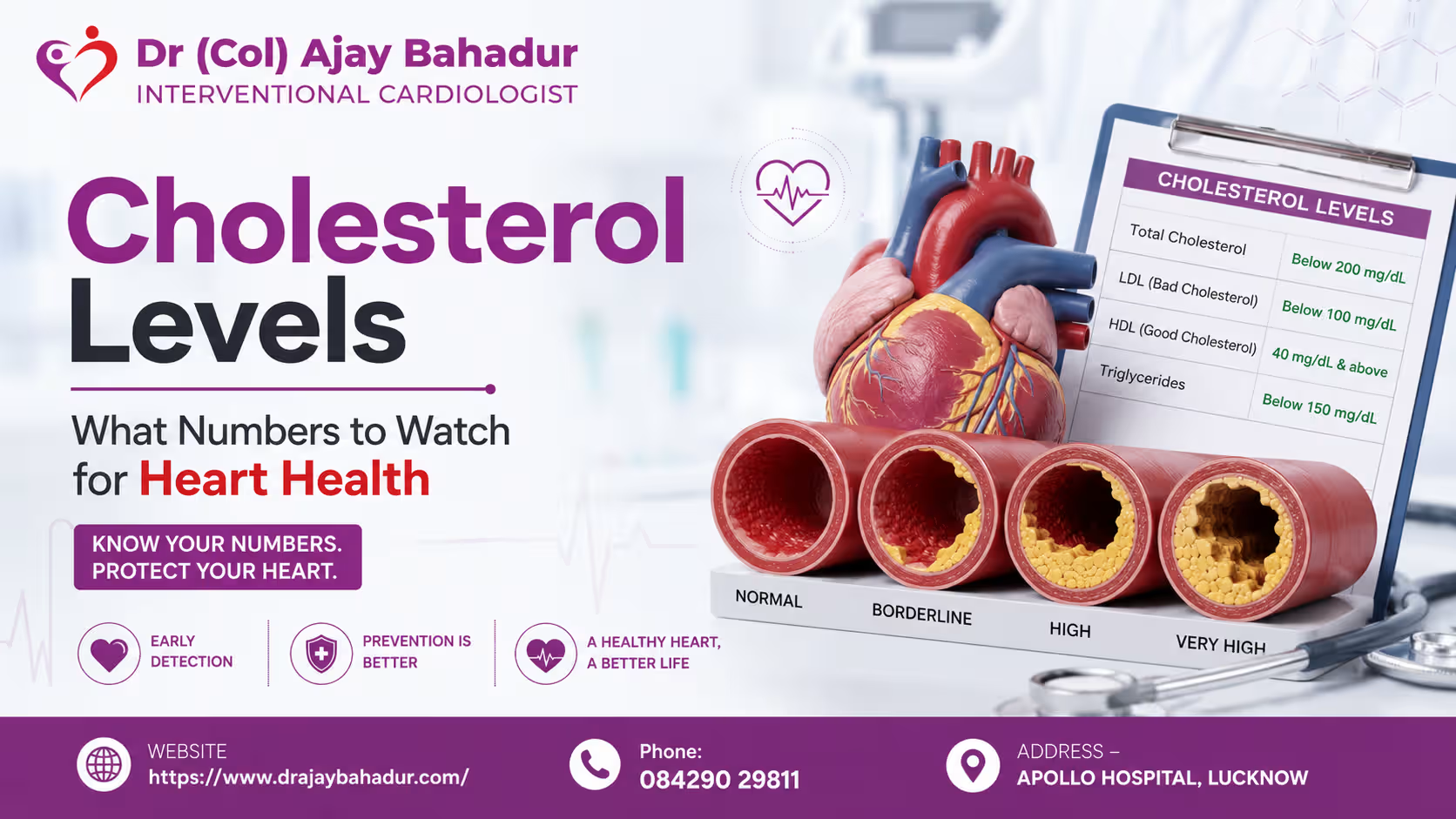
To maintain optimal heart health, aim for a Total Cholesterol level below 200 mg/dL, LDL (bad cholesterol) below 100 mg/dL, and HDL (good cholesterol) above 60 mg/dL. Triglycerides should ideally stay below 150 mg/dL to minimize cardiovascular risk.
Introduction: The Importance of Monitoring Cholesterol
Cholesterol is often portrayed as a villain in the story of health, but the reality is more nuanced. It is a waxy, fat-like substance found in all the cells of your body. While your body needs cholesterol to build cells and produce hormones, having too much of the wrong kind can lead to serious complications.
In recent years, the burden of heart disease in India has risen exponentially. Factors such as genetic predisposition, sedentary lifestyles, and diets high in trans fats have contributed to an earlier onset of coronary artery disease. Because high cholesterol offers no warning signs, many people remain unaware of their risk until they experience a medical emergency. This is why regular screening and expert guidance from a Heart Doctor in Lucknow are vital.
Important Statistics and Heart Health Facts
-
The Indian Context: Indians are genetically predisposed to lower HDL (good cholesterol) and higher Triglycerides, a combination often termed the “Asian Indian Phenotype.”
-
The Silent Threat: Approximately 1 in 4 deaths in India is attributed to cardiovascular diseases.
-
Early Onset: Heart attacks in the Indian population occur 5–10 years earlier than in Western counterparts.
-
Screening: Doctors recommend that all adults over age 20 have their cholesterol checked every 4 to 6 years, or more frequently if risk factors are present.
Quick Facts Chart: Cholesterol at a Glance
| Component | Recommended Range (mg/dL) | Why it Matters |
| Total Cholesterol | Below 200 | Measures the overall cholesterol in your blood. |
| LDL (Bad) | Below 100 | The primary source of artery-clogging plaque. |
| HDL (Good) | 60 or higher | Helps remove “bad” cholesterol from the arteries. |
| Triglycerides | Below 150 | A type of fat that can increase heart disease risk. |
| Non-HDL | Below 130 | A comprehensive marker of all “bad” fats in the blood. |
What Is Cholesterol?
Cholesterol is a lipid produced primarily by the liver, though it is also found in certain foods like meat, dairy, and eggs.
Why Your Body Needs Cholesterol
Contrary to popular belief, you cannot survive without cholesterol. It serves several vital functions:
-
Cell Membrane Integrity: It helps maintain the structure and fluidity of cell membranes.
-
Hormone Production: It is the precursor for vitamin D and hormones like estrogen, testosterone, and cortisol.
-
Bile Production: It helps the liver produce bile acids, which are necessary for digesting fats.
Good vs. Bad Cholesterol Explained
The problem arises when there is an imbalance. Because cholesterol is fat-based and blood is water-based, they don’t mix. To travel through the bloodstream, cholesterol is carried by molecules called lipoproteins.
Dr. Ajay Bahadur, a renowned Cardiologist in Lucknow, often explains to patients that the “delivery trucks” (LDL) and “garbage trucks” (HDL) must be in balance. If the delivery trucks drop off too much cargo and the garbage trucks can’t keep up, the “roads” (arteries) get blocked.
Understanding the Different Types of Cholesterol
To manage your heart health, you must look beyond just the “Total Cholesterol” number.
1. LDL Cholesterol (Low-Density Lipoprotein) — The “Bad” One
LDL is known as “bad” cholesterol because it carries cholesterol to your arteries. If your LDL levels are high, this cholesterol can collect in the walls of your blood vessels, forming plaque. This process, known as atherosclerosis, narrows the arteries and restricts blood flow.
-
Ideal LDL Numbers: For most healthy adults, an LDL under 100 mg/dL is ideal. However, for those with existing heart disease or diabetes, Dr. Ajay Bahadur may recommend a target as low as 55–70 mg/dL.
2. HDL Cholesterol (High-Density Lipoprotein) — The “Good” One
HDL acts as a scavenger. It picks up excess cholesterol in the blood and carries it back to the liver, where it is broken down and removed from the body.
-
Why it Protects: High levels of HDL are associated with a lower risk of heart disease.
-
How to Improve HDL: Regular aerobic exercise, quitting smoking, and consuming healthy fats (like olive oil and nuts) can help raise these numbers.
3. Triglycerides
Triglycerides are the most common type of fat in the body. They store excess energy from your diet. High levels are often seen in people who are overweight, sedentary, smoke, or consume excessive alcohol or sugar. High triglycerides combined with high LDL or low HDL increase the risk of fatty buildup within the artery walls.
4. Non-HDL Cholesterol
Non-HDL is calculated by subtracting your HDL number from your total cholesterol. Many doctors, including the Best Cardiologist in Lucknow, are focusing more on this number because it accounts for all the potentially harmful lipoproteins in the blood, providing a more accurate assessment of cardiovascular risk.
Cholesterol Levels Chart: What Numbers Are Normal?
Understanding your lab report can be overwhelming. Here is a detailed breakdown of what the numbers mean for the average adult.
| Category | Total Cholesterol (mg/dL) | LDL Cholesterol (mg/dL) | HDL Cholesterol (mg/dL) | Triglycerides (mg/dL) |
| Optimal/Desirable | Below 200 | Below 100 | 60 or higher | Below 150 |
| Near Optimal | N/A | 100–129 | N/A | N/A |
| Borderline High | 200–239 | 130–159 | 40–59 (Men) / 50–59 (Women) | 150–199 |
| High | 240 or above | 160–189 | Below 40 (Men) / Below 50 (Women) | 200–499 |
| Very High | N/A | 190 or above | N/A | 500 or above |
Cholesterol Levels by Age: Do Targets Change?
As we age, our bodies produce more cholesterol, and our risk for plaque buildup increases.
Cholesterol Levels for Young Adults (Age 20–39)
Lifestyle habits formed during these years significantly impact future heart health. Even if you feel healthy, baseline testing is essential. High LDL in your 20s can lead to “calcified” plaque by your 40s.
Cholesterol Levels for Middle-Aged and Older Adults
For adults over 40, your doctor will likely use a “Risk Calculator” that takes into account age, blood pressure, and smoking status alongside cholesterol numbers.
Age-Wise Cholesterol Target Chart
| Age Group | Recommended Total Cholesterol | Recommended LDL | Recommended HDL |
| Children (under 19) | Less than 170 mg/dL | Less than 110 mg/dL | More than 45 mg/dL |
| Adults (20+ Years) | 125 to 200 mg/dL | Less than 100 mg/dL | 40+ (Men) / 50+ (Women) |
Targets for High-Risk Individuals
If you have underlying conditions, your “normal” range is much stricter:
-
Diabetes Patients: Diabetes lowers HDL and raises LDL. Targets are usually LDL < 70 mg/dL.
-
Hypertension Patients: High blood pressure damages artery walls, making it easier for cholesterol to stick.
-
Heart Disease Patients: If you’ve already had a stent or bypass, your target LDL may be as low as 55 mg/dL to prevent further episodes.
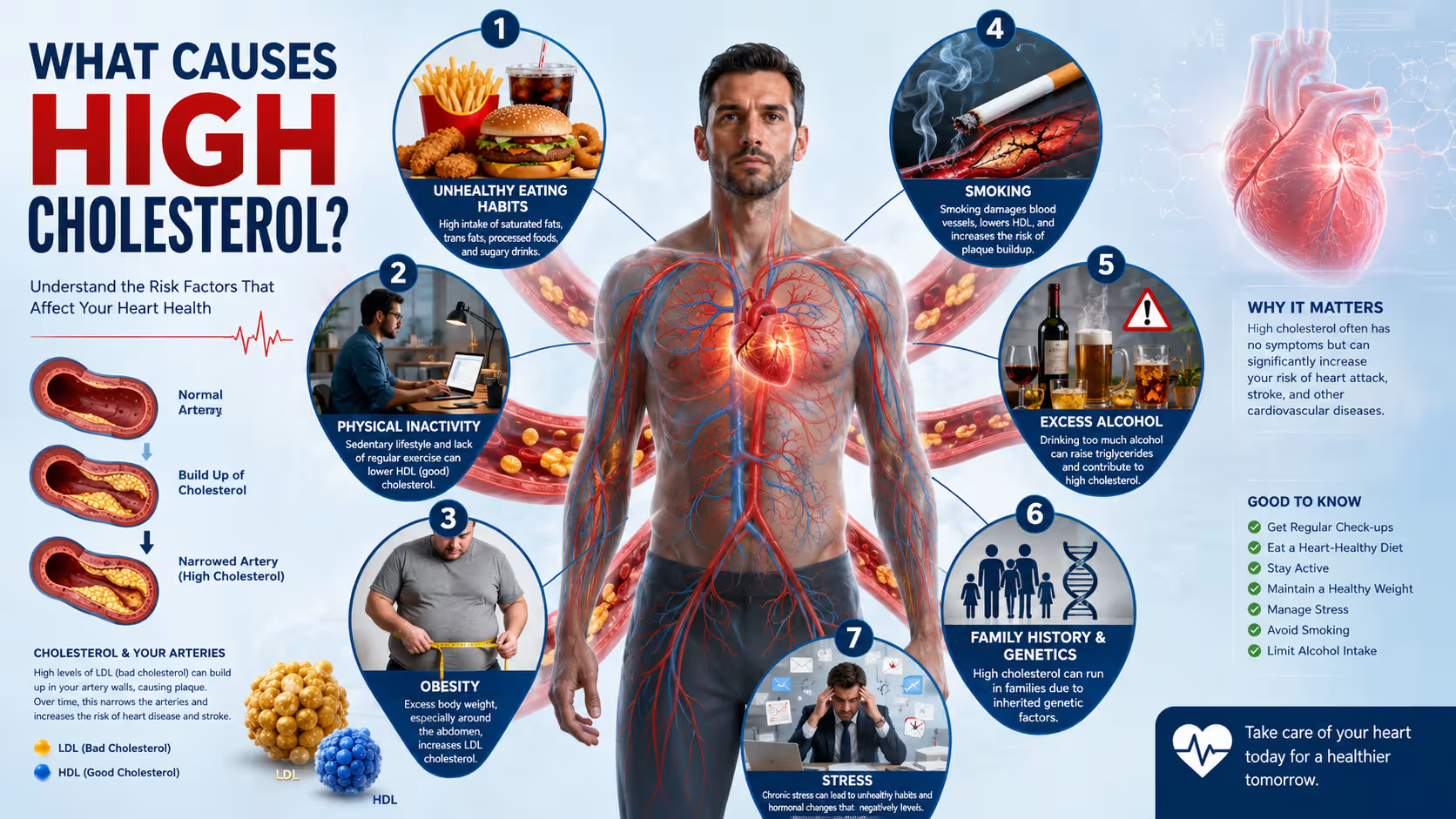
What Causes High Cholesterol?
Several factors—some within your control and some not—contribute to high levels.
-
Unhealthy Eating Habits: Diets high in saturated fats (found in fatty meats and butter) and trans fats (found in packaged snacks and vanaspati) are the primary culprits.
-
Physical Inactivity: A sedentary lifestyle lowers HDL and makes LDL particles smaller and denser, which is more dangerous.
-
Obesity: A BMI over 30 is strongly linked to high triglycerides and low HDL.
-
Smoking: Chemicals in cigarettes damage the walls of your blood vessels and lower “good” cholesterol.
-
Excess Alcohol: Drinking too much can raise triglyceride levels and blood pressure.
-
Family History and Genetics: Conditions like Familial Hypercholesterolemia (FH) can cause dangerously high cholesterol even in fit, young individuals.
-
Stress: Chronic stress triggers hormones like cortisol, which can increase the production of triglycerides and LDL.
High Cholesterol Symptoms: Can You Feel It?
This is perhaps the most important takeaway: High cholesterol usually has no symptoms.
Most people do not know they have high cholesterol until they experience a cardiovascular event. However, in extreme cases or after years of neglect, complications develop:
-
Chest Pain (Angina): Caused by reduced blood flow to the heart muscle.
-
Heart Attack Warning Signs: Pressure, squeezing, or pain in the center of the chest.
-
Stroke Symptoms: Sudden numbness, confusion, or difficulty speaking.
-
Peripheral Artery Disease (PAD): Pain in the legs when walking, caused by blocked arteries in the limbs.
As a dedicated Heart Doctor in Lucknow, Dr. Ajay Bahadur emphasizes that waiting for symptoms is a dangerous strategy. Prevention through testing is the only way to stay safe.
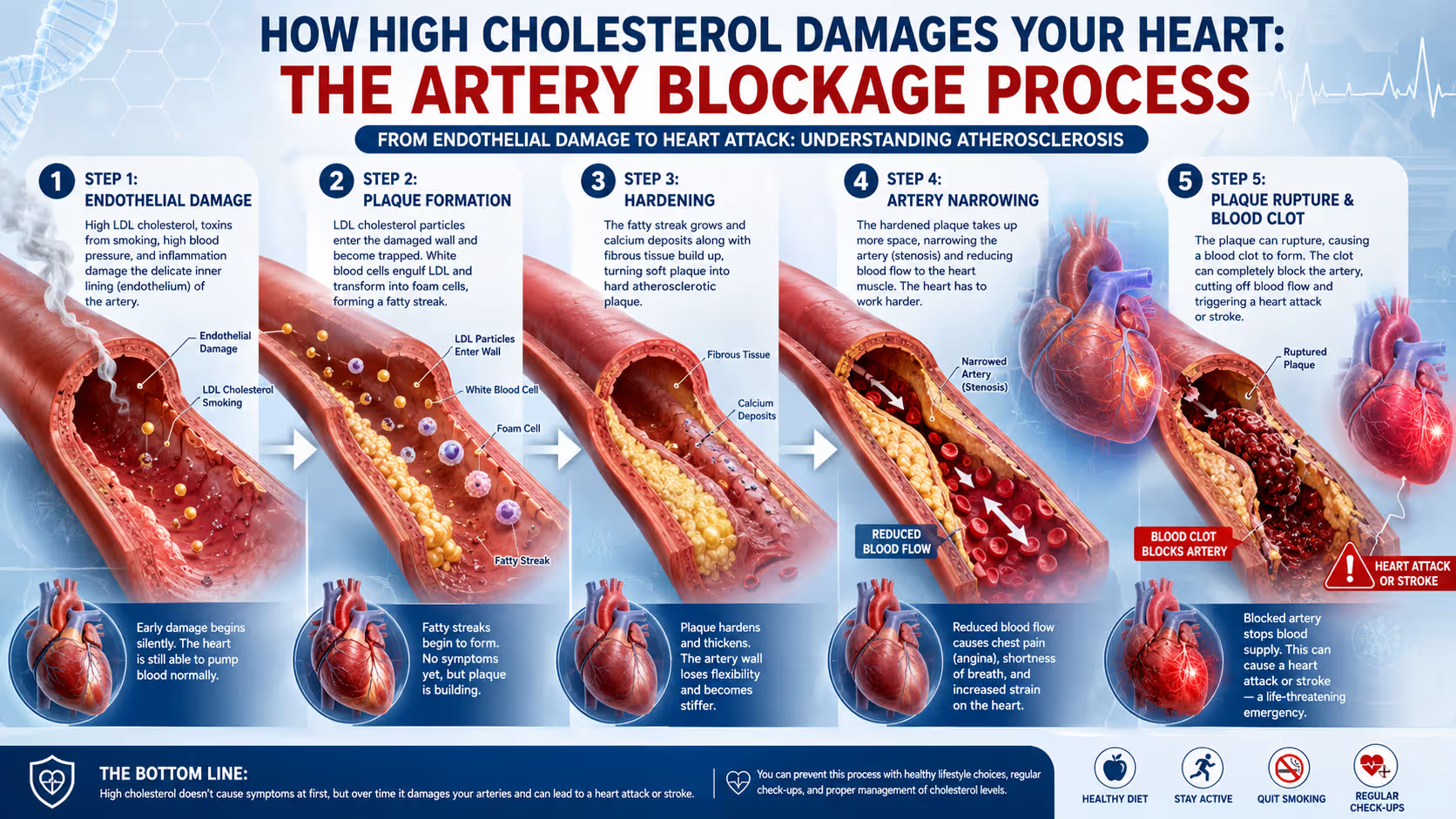
How High Cholesterol Damages Your Heart: The Artery Blockage Process
Cholesterol doesn’t just sit in the blood; it actively modifies your anatomy.
-
Step 1: Endothelial Damage: High LDL or smoking causes tiny nicks in the inner lining of the artery.
-
Step 2: Plaque Formation: LDL enters these nicks. White blood cells try to “eat” the cholesterol, turning into “foam cells” that form a fatty streak.
-
Step 3: Hardening: Over time, calcium and other substances make this streak hard, forming a “plaque.”
-
Step 4: Narrowing: The artery narrows (stenosis), forcing the heart to work harder.
-
Step 5: Rupture: If the plaque surface cracks, a blood clot forms. This clot can completely block the artery, causing a heart attack or stroke.
How to Check Your Cholesterol Levels
A Lipid Profile Test is a simple blood test that measures the levels mentioned above.
-
How to Prepare: You usually need to fast (no food or drink except water) for 9–12 hours before the test to get an accurate triglyceride reading.
-
How Often? Healthy adults should test every 4–6 years. If you have risk factors like obesity, smoking, or a family history of heart disease, Dr. Ajay Bahadur may recommend testing every 6–12 months.
Step-by-Step Plan to Lower Cholesterol Naturally
If your numbers are slightly elevated, lifestyle changes are the first line of defense.
-
Step 1: Improve Your Diet: Focus on fiber. Soluble fiber (found in oats and beans) acts like a sponge, soaking up cholesterol in the digestive tract.
-
Step 2: Exercise Regularly: Aim for 150 minutes of moderate-intensity aerobic activity per week (e.g., brisk walking, swimming).
-
Step 3: Maintain a Healthy Weight: Losing even 5–10% of your body weight can significantly lower LDL.
-
Step 4: Stop Smoking: Within 20 minutes of quitting, your blood pressure and heart rate recover. Within a year, your risk of heart disease is halved.
-
Step 5: Manage Stress: Practices like yoga and meditation help lower systemic inflammation.
-
Step 6: Get Regular Health Checkups: Consistent monitoring ensures your efforts are working.
Best Foods for Healthy Cholesterol Levels
In an Indian household, diet plays a massive role. You don’t have to give up flavor to save your heart.
-
Oats and Whole Grains: Dalia, brown rice, and oats are excellent sources of fiber.
-
Fruits and Vegetables: Aim for a “rainbow plate.” Pectin-rich fruits like apples, citrus, and strawberries are particularly good.
-
Nuts and Seeds: Walnuts (rich in Omega-3) and almonds are heart-healthy in moderation.
-
Fatty Fish: For non-vegetarians, Salmon or Indian Mackerel (Bangda) provide essential Omega-3 fatty acids.
-
Legumes: Lentils (Dal), chickpeas, and kidney beans are high in fiber and protein.
-
Healthy Oils: Switch to olive oil, mustard oil, or rice bran oil. Avoid reusing oil for deep frying.
Sample One-Day Heart-Healthy Meal Plan
-
Breakfast: A bowl of oats with almonds and a piece of fruit.
-
Mid-Morning: A small handful of walnuts or a green apple.
-
Lunch: Two multigrain rotis, a large bowl of dal, and a serving of seasonal green vegetables (Sabzi) with a side salad.
-
Evening Snack: Roasted makhana or sprouts salad.
-
Dinner: Grilled fish or Paneer (low-fat) with sautéed vegetables and a small portion of brown rice.
Foods to Eat vs. Foods to Avoid Chart
| Eat More Of | Avoid or Limit |
| Leafy greens, carrots, broccoli | Samosas, Pakoras, and deep-fried snacks |
| Whole fruits (not juices) | Sugary drinks and sodas |
| Skinless poultry and fish | Red meat (Mutton, Beef) |
| Walnuts, almonds, flaxseeds | Butter, Ghee (in excess), and Vanaspati |
| Low-fat curd or skim milk | Full-fat cheese and cream |
When Lifestyle Changes Are Not Enough
Sometimes, despite a perfect diet and exercise, cholesterol remains high due to genetics. In such cases, medical intervention is necessary.
Understanding Statins
Statins are the most common medication used to lower cholesterol. They work by blocking the enzyme in the liver that produces cholesterol and helping the liver clear LDL from the blood.
Other Medicines
If statins aren’t suitable or sufficient, a Cardiologist in Lucknow might prescribe:
-
Ezetimibe: Reduces cholesterol absorption in the gut.
-
PCSK9 Inhibitors: Advanced injectable drugs for very high-risk patients.
-
Fibrates: Primarily used to lower high triglycerides.
Important Note: Never start or stop cholesterol medication without consulting a specialist. Dr. Ajay Bahadur ensures that medication is tailored to your specific risk profile to minimize side effects.
Cholesterol and Heart Disease Prevention
Preventive cardiology is the future of heart health. By the time a person feels “chest pain,” the disease is often advanced.
Dr. Ajay Bahadur, a Best Cardiologist in Lucknow, focuses on:
-
Early Identification: Detecting lipid abnormalities in the 20s and 30s.
-
Comprehensive Risk Management: Managing blood pressure and sugar levels alongside cholesterol.
-
Patient Education: Empowering patients to understand their reports.
When Should You Visit a Cardiologist?
You should seek a consultation with a Heart Doctor in Lucknow if:
-
Your lab reports show “High” or “Very High” LDL or Triglycerides.
-
You have a strong family history of early heart attacks (men under 55, women under 65).
-
You have diabetes or high blood pressure.
-
You experience unexplained breathlessness, chest discomfort, or extreme fatigue.
For residents of Uttar Pradesh, consulting with Dr. Ajay Bahadur provides access to expert diagnostic tools and personalized treatment plans to manage cholesterol effectively.
Conclusion
Understanding your cholesterol levels is not just about reading a lab report; it’s about taking control of your future. While high cholesterol is a “silent” threat, it is also one of the most manageable and treatable risk factors for heart disease. By maintaining a healthy diet, staying active, and getting regular screenings, you can keep your arteries clear and your heart strong.
Remember, your heart health is a lifelong journey. Whether your numbers are currently in the healthy range or you are struggling with high LDL, professional guidance is invaluable. Dr. Ajay Bahadur, an experienced Cardiologist in Lucknow, is dedicated to helping patients achieve optimal heart health through early intervention and evidence-based care.
FAQs – Cholesterol Levels
1. What is a normal cholesterol level?
For most adults, a total cholesterol level below 200 mg/dL is considered normal. LDL should be below 100 mg/dL, and HDL should be 60 mg/dL or higher.
2. What LDL level is considered dangerous?
An LDL level of 160–189 mg/dL is considered high, and anything above 190 mg/dL is very high and requires immediate medical attention.
3. What is a healthy HDL level?
An HDL level of 60 mg/dL or above is considered protective against heart disease. Levels below 40 mg/dL for men and 50 mg/dL for women increase cardiovascular risk.
4. Can high cholesterol cause symptoms?
Usually, no. It is a silent condition. Symptoms like chest pain or leg pain only appear once the arteries are significantly blocked.
5. How often should cholesterol be checked?
Healthy adults should get a lipid profile every 4–6 years. Those with diabetes, heart disease, or obesity may need testing every 6 months.
6. Which foods lower cholesterol naturally?
Oats, beans, lentils, nuts, fatty fish, and olive oil are excellent for lowering LDL levels.
7. Can exercise reduce cholesterol levels?
Yes, regular aerobic exercise can raise HDL (good cholesterol) and help lower triglycerides and LDL.
8. Are cholesterol medicines safe?
Statins and other cholesterol-lowering drugs are among the most studied medications in the world and are generally very safe when taken under the supervision of a Cardiologist in Lucknow.
9. What triglyceride level is considered high?
A triglyceride level between 200–499 mg/dL is high, while 500 mg/dL or above is considered very high and carries a risk of pancreatitis.
CTA
Your cholesterol numbers can reveal important information about your heart health long before symptoms appear. Regular testing, healthy lifestyle choices, and early medical guidance can significantly reduce the risk of heart attack and stroke.
If you have abnormal cholesterol levels, a family history of heart disease, or concerns about your cardiovascular health, consult Dr. Ajay Bahadur, an experienced Best Cardiologist in Lucknow, for personalized evaluation, prevention strategies, and long-term heart care. Protect your heart today for a healthier tomorrow.