
Posted By Dr Ajay Bahadur | Best Cardiologist in Lucknow
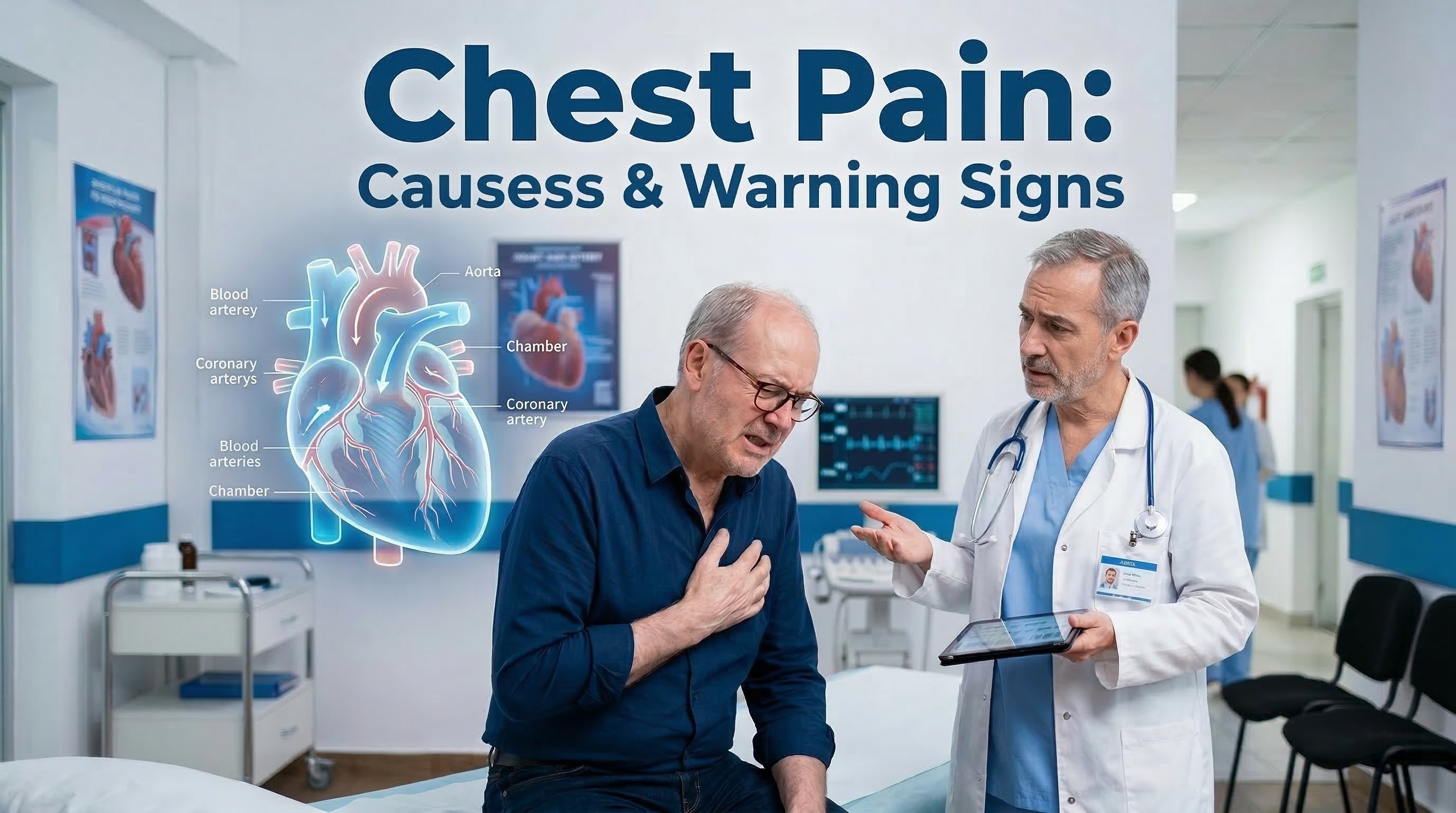
Chest pain is one of the most common symptoms that causes people to seek medical attention. While some chest pain may result from minor issues like muscle strain or acidity, in other cases it can be a warning sign of serious heart conditions. Because the chest contains vital organs such as the heart, lungs, and major blood vessels, any unusual discomfort should be taken seriously.
Many individuals worry that chest pain automatically means a heart attack. However, chest pain can have multiple causes, ranging from digestive problems to respiratory conditions. The key is to understand the type of pain, associated symptoms, and when medical evaluation is necessary.
Recognizing warning signs early can save lives. If chest pain is related to heart disease, prompt diagnosis and treatment are critical. Patients experiencing persistent or unexplained chest discomfort should consult an experienced heart specialist. Residents of Uttar Pradesh can seek expert evaluation from Dr Col Ajay Bahadur, an experienced Interventional Cardiologist in Lucknow, who specializes in diagnosing and treating complex heart conditions.
This detailed guide explains the common causes of chest pain, symptoms that require urgent attention, diagnostic tests, and when you should see a cardiologist in Lucknow.
What Is Chest Pain?
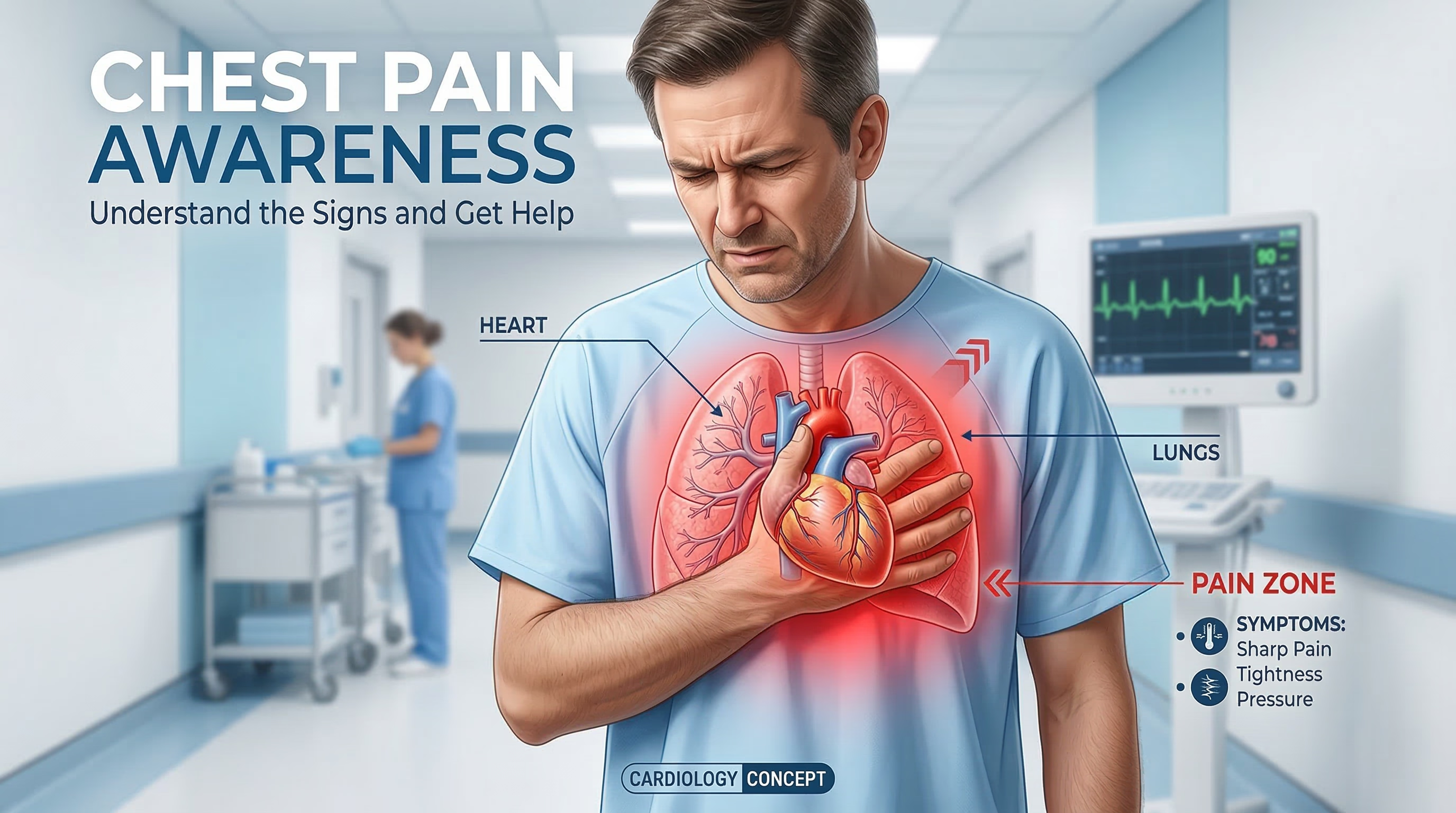
Chest pain refers to any discomfort or pain felt in the area between the neck and upper abdomen. The sensation can vary widely from person to person. Some people describe chest pain as pressure, tightness, burning, stabbing pain, or aching.
Because the chest contains several organs, pain may originate from different sources including the heart, lungs, esophagus, muscles, or ribs. Determining the cause requires careful evaluation by a healthcare professional.
Types of Chest Pain Sensations
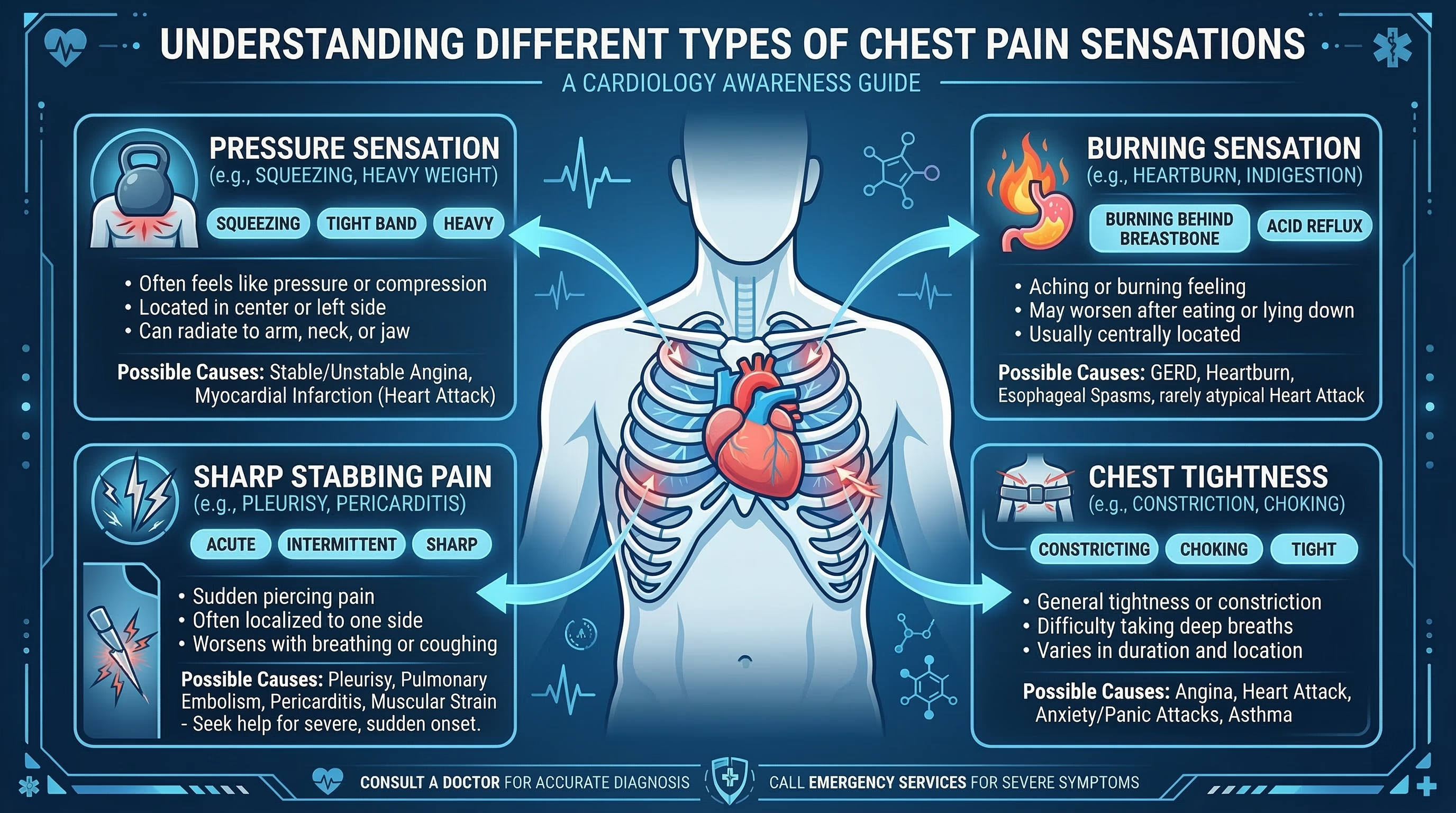
People may experience chest pain in different ways, including:
-
Pressure or squeezing sensation
-
Sharp stabbing pain
-
Burning sensation similar to heartburn
-
Tightness in the chest
-
Pain that spreads to the neck, jaw, or arms
The location, duration, and intensity of chest pain can help doctors determine whether it is heart-related or caused by other conditions.
Why Chest Pain Should Never Be Ignored
Chest pain is sometimes the first sign of a serious heart condition. Ignoring warning symptoms may delay life-saving treatment. Even if the pain turns out to be non-cardiac, it is always safer to seek medical evaluation.
Early diagnosis by a qualified specialist such as Dr Col Ajay Bahadur, Cardiologist in Lucknow, can help identify the cause and prevent complications.
Common Causes of Chest Pain
Chest pain can be caused by several medical conditions. These causes can be broadly categorized into heart-related, lung-related, digestive, musculoskeletal, and psychological causes.
Heart-Related Causes
Heart conditions are among the most serious causes of chest pain. These include:
Angina
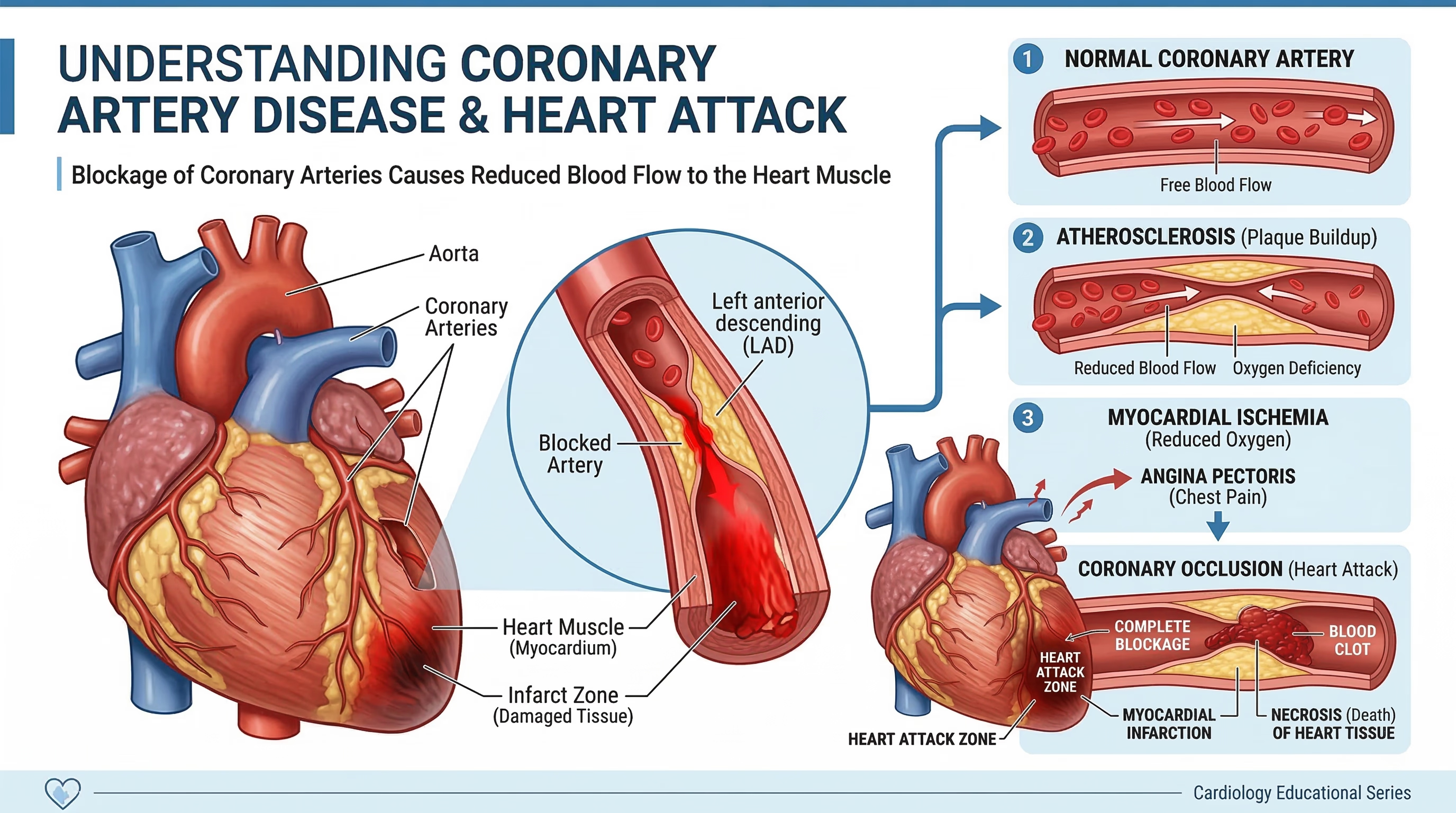
Angina occurs when the heart muscle does not receive enough oxygen-rich blood. It often causes pressure or tightness in the chest, especially during physical activity or stress.
Heart Attack
A heart attack occurs when blood flow to the heart muscle becomes blocked. This condition is life-threatening and requires immediate medical attention.
Coronary Artery Disease
Narrowing of the arteries supplying blood to the heart can cause recurring chest discomfort.
Pericarditis
Inflammation of the protective sac around the heart can lead to sharp chest pain.
Lung-Related Causes
Chest pain may also arise from lung conditions such as:
-
Pulmonary embolism (blood clot in the lungs)
-
Pneumonia
-
Pleurisy (inflammation of lung lining)
-
Collapsed lung
These conditions may cause chest pain that worsens during breathing.
Digestive Causes
Digestive disorders are a common source of chest discomfort.
Examples include:
-
Acid reflux (GERD)
-
Gastritis
-
Esophageal spasms
-
Gallbladder problems
These types of chest pain are often described as burning sensations.
Musculoskeletal Causes
Chest pain can also originate from muscles, bones, or joints in the chest wall.
Examples include:
-
Muscle strain
-
Rib injuries
-
Costochondritis (inflammation of rib cartilage)
This type of pain usually worsens with movement or physical activity.
Anxiety and Stress
Mental health conditions such as anxiety and panic attacks may cause chest tightness or discomfort that mimics heart disease. Stress can also increase heart rate and blood pressure, leading to temporary chest pain.
Types of Chest Pain and Possible Causes
| Type of Pain | Possible Cause | Medical Concern |
|---|---|---|
| Pressure or squeezing pain | Heart attack or angina | Emergency |
| Sharp stabbing pain | Lung problems or muscle injury | Moderate |
| Burning pain | Acid reflux or GERD | Usually mild |
| Pain during breathing | Lung infection or inflammation | Needs evaluation |
| Sudden severe pain | Pulmonary embolism | Emergency |
Understanding these patterns helps doctors quickly identify the likely cause of chest pain.
Warning Signs of Heart-Related Chest Pain
Not all chest pain is related to heart disease, but certain symptoms strongly suggest a cardiac problem.
Symptoms of a Heart Attack
Heart attack symptoms may include:
-
Severe pressure or tightness in the chest
-
Pain spreading to the arm, neck, jaw, or back
-
Shortness of breath
-
Cold sweating
-
Nausea or vomiting
-
Sudden dizziness
If these symptoms occur, immediate medical attention is essential.
Symptoms of Angina
Angina symptoms typically include:
-
Chest pressure during physical activity
-
Pain that improves with rest
-
Recurring episodes of discomfort
-
Shortness of breath during exertion
Angina may indicate underlying coronary artery disease, which requires evaluation by a cardiologist.
Comparison Table – Heart-Related vs Non-Heart Chest Pain
| Feature | Heart-Related Chest Pain | Non-Heart Chest Pain |
|---|---|---|
| Pain type | Pressure or squeezing | Sharp or burning |
| Trigger | Physical activity or stress | Food, movement |
| Duration | Several minutes | Variable |
| Associated symptoms | Sweating, breathlessness | Acid reflux, muscle pain |
| Urgency | Medical emergency | Usually less urgent |
This comparison helps patients understand when chest pain may indicate a serious heart condition.
When Should You See a Cardiologist?
You should consult a cardiologist if you experience:
-
Frequent chest pain
-
Pain during exercise or physical activity
-
Shortness of breath
-
Family history of heart disease
-
High blood pressure or diabetes
-
Persistent fatigue or dizziness
Early consultation allows doctors to detect heart disease before it becomes life-threatening.
Residents seeking specialized cardiac care can consult Dr Col Ajay Bahadur, an experienced Cardiologist in Lucknow, who provides advanced diagnosis and treatment for heart conditions.
Role of an Interventional Cardiologist
An interventional cardiologist specializes in minimally invasive procedures used to diagnose and treat heart diseases.
Procedures Performed by Interventional Cardiologists
Common procedures include:
-
Coronary angiography
-
Angioplasty
-
Stent placement
-
Cardiac catheterization
These procedures help restore blood flow to the heart and prevent complications such as heart attacks.
Benefits of Early Cardiac Evaluation
Early evaluation by a heart specialist can:
-
Detect blocked arteries early
-
Prevent heart attacks
-
Manage high-risk conditions effectively
-
Improve long-term heart health
Consulting an experienced cardiologist such as Dr Col Ajay Bahadur in Lucknow can significantly improve treatment outcomes.
Tests Used to Diagnose Chest Pain
Doctors use several diagnostic tests to determine the cause of chest pain.
Common tests include:
Electrocardiogram (ECG)
Measures the electrical activity of the heart.
Echocardiogram
Uses ultrasound to visualize heart structures.
Stress Test
Evaluates heart function during physical activity.
CT Scan
Provides detailed images of heart and blood vessels.
Coronary Angiography
Identifies blockages in coronary arteries.
These tests help cardiologists determine the most appropriate treatment plan.
Tips to Reduce the Risk of Heart-Related Chest Pain
Maintaining heart health can significantly reduce the risk of chest pain and cardiovascular disease.
Healthy lifestyle habits include:
-
Eating a balanced heart-healthy diet
-
Exercising regularly
-
Maintaining a healthy weight
-
Controlling blood pressure and cholesterol
-
Avoiding smoking
-
Managing stress effectively
Regular health checkups with a cardiologist are also important for preventing heart disease.
When to Seek Emergency Medical Help
You should seek emergency medical help immediately if chest pain is accompanied by:
-
Severe pressure in the chest
-
Difficulty breathing
-
Sudden sweating
-
Pain spreading to the arm or jaw
-
Loss of consciousness
These symptoms may indicate a heart attack or other serious medical emergency.
Why Choose Dr Col Ajay Bahadur – Cardiologist in Lucknow
Patients looking for expert cardiac care can consult Dr Col Ajay Bahadur, Interventional Cardiologist in Lucknow.
Key reasons to consult him include:
-
Extensive experience in heart disease management
-
Expertise in interventional cardiology procedures
-
Advanced diagnostic techniques
-
Personalized treatment plans for heart patients
Early consultation with a qualified cardiologist ensures accurate diagnosis and timely treatment.
Conclusion
Chest pain can have many causes, ranging from minor muscle strain to life-threatening heart conditions. Understanding the symptoms and recognizing warning signs is essential for protecting your health.
While not all chest pain is related to heart disease, any persistent or unexplained discomfort should be evaluated by a medical professional. Early diagnosis allows doctors to treat heart conditions effectively and prevent serious complications.
If you experience recurring chest pain or other heart-related symptoms, consult Dr Col Ajay Bahadur, Cardiologist in Lucknow, for expert evaluation and advanced cardiac care.
Frequently Asked Questions (FAQs)
What are the most common causes of chest pain?
Chest pain can result from heart disease, lung conditions, digestive problems, muscle injuries, or anxiety.
How do I know if chest pain is serious?
Chest pain accompanied by sweating, shortness of breath, dizziness, or pain spreading to the arm or jaw may indicate a heart problem.
When should I see a cardiologist for chest pain?
If chest pain occurs frequently, during physical activity, or lasts more than a few minutes.
Can stress cause chest pain?
Yes. Anxiety and panic attacks can cause chest tightness or discomfort.
Which doctor should I consult for chest pain in Lucknow?
You can consult Dr Col Ajay Bahadur, Interventional Cardiologist in Lucknow, for diagnosis and treatment of heart-related chest pain.
