
Introduction
An irregular heartbeat, also known as arrhythmia, is a common heart condition that affects millions of people worldwide. While some arrhythmias are harmless, others can significantly increase the risk of stroke, heart failure, or even sudden cardiac arrest if left untreated. Many people ignore symptoms such as dizziness, fainting, fatigue, or palpitations, assuming they are due to stress or aging. However, these signs may indicate an underlying heart rhythm disorder that requires immediate medical attention.
Fortunately, advances in modern cardiology have made diagnosing and treating arrhythmias more effective than ever. Depending on the type and severity of the condition, treatment may include medications, catheter ablation, or the implantation of a pacemaker. A pacemaker is a small electronic device that helps regulate abnormal heart rhythms, allowing the heart to beat at a healthy and consistent rate.
If you’re looking for Pacemaker Treatment or expert Arrhythmia Treatment in Lucknow, consulting an experienced Interventional Cardiologist is essential. Early diagnosis and timely treatment can improve your quality of life, reduce complications, and help you return to your normal daily activities with confidence.
In this comprehensive guide, we’ll explain everything you need to know about arrhythmias and pacemakers—from symptoms and diagnosis to treatment options, candidacy, and what to expect before and after the procedure.
Quick Summary: Pacemaker Surgery at a Glance
| Aspect | Details |
|---|---|
| Procedure Time | Approximately 1–2 hours |
| Anesthesia | Local anesthesia with mild sedation |
| Hospital Stay | Usually 1–2 days |
| Recovery Time | 2–6 weeks |
| Purpose | Corrects slow or abnormal heart rhythms |
| Battery Life | Typically 8–15 years (depending on device and usage) |
| Follow-up | Regular device checks are essential |
What Is Arrhythmia?
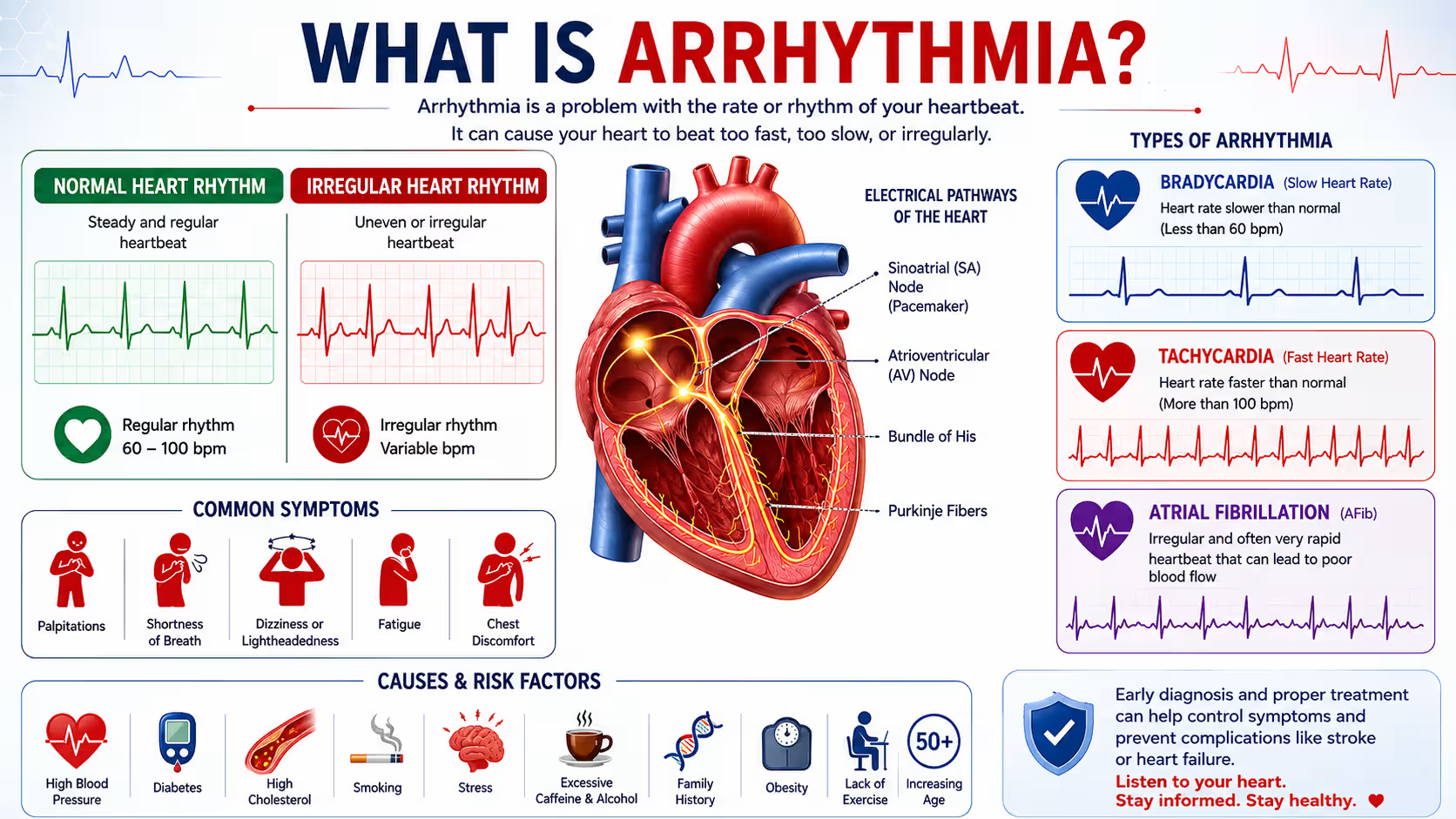
An arrhythmia is a condition in which the heart beats too fast, too slowly, or irregularly. Your heart relies on electrical signals to maintain a steady rhythm. When these signals are disrupted, the heartbeat becomes abnormal.
Some arrhythmias are temporary and harmless, while others can interfere with the heart’s ability to pump blood effectively. If left untreated, certain arrhythmias may lead to serious health complications, including stroke, heart failure, or sudden cardiac arrest.
Understanding a Normal Heart Rhythm
A healthy adult heart usually beats 60 to 100 times per minute while at rest. This rhythm is controlled by the heart’s natural pacemaker, known as the sinoatrial (SA) node, which generates electrical impulses that coordinate each heartbeat.
When this electrical system functions properly, blood is pumped efficiently throughout the body. However, any interruption in these signals can result in an irregular heartbeat.
What Happens During an Arrhythmia?
During an arrhythmia, the heart’s electrical impulses become abnormal. This may cause the heart to:
- Beat too slowly (Bradycardia)
- Beat too quickly (Tachycardia)
- Beat irregularly or skip beats
As a result, the heart may not pump enough oxygen-rich blood to vital organs, leading to symptoms such as dizziness, fatigue, shortness of breath, or fainting.
Common Types of Arrhythmias
Bradycardia
Bradycardia occurs when the heart beats fewer than 60 times per minute. It may cause weakness, dizziness, fainting, and severe fatigue. Patients with symptomatic bradycardia often benefit from Pacemaker Treatment in Lucknow.
Tachycardia
Tachycardia refers to a heart rate exceeding 100 beats per minute while at rest. It may originate from the upper or lower chambers of the heart and can cause palpitations, chest discomfort, or breathlessness.
Atrial Fibrillation (AFib)
Atrial fibrillation is one of the most common types of arrhythmia. It causes rapid and irregular beating of the upper chambers (atria), increasing the risk of stroke and heart failure if not managed appropriately.
Ventricular Arrhythmias
These originate in the lower chambers of the heart (ventricles) and can be life-threatening. Immediate medical evaluation is essential if ventricular arrhythmias are suspected.
What Causes Arrhythmia?
Several medical conditions and lifestyle factors can interfere with the heart’s electrical system. Common causes include:
- Coronary artery disease
- Previous heart attack
- High blood pressure
- Heart valve disorders
- Heart failure
- Congenital heart defects
- Diabetes
- Thyroid disorders
- Electrolyte imbalance
- Smoking
- Excessive alcohol consumption
- Certain medications
- High stress and anxiety
- Excessive caffeine intake
- Sleep apnea
Identifying and treating the underlying cause is a crucial part of successful Arrhythmia Treatment in Lucknow.
What Are the Symptoms of Arrhythmia?
Some people may have no symptoms at all, while others experience noticeable signs that should never be ignored.
Symptoms That Require Medical Attention
- Irregular heartbeat
- Heart palpitations
- Slow pulse
- Rapid heartbeat
- Dizziness
- Lightheadedness
- Fainting (syncope)
- Persistent fatigue
- Shortness of breath
- Chest discomfort
- Difficulty exercising
- Feeling weak without an obvious cause
If these symptoms occur repeatedly, seek evaluation by a qualified cardiologist as early diagnosis can prevent serious complications.
What Is a Pacemaker?
A pacemaker is a small, battery-powered medical device implanted under the skin near the collarbone. It continuously monitors the heart’s rhythm and sends electrical impulses whenever the heartbeat becomes too slow or irregular.
Modern pacemakers are compact, highly reliable, and designed to improve both heart function and quality of life.
A pacemaker does not replace your heart. Instead, it works alongside your heart’s natural electrical system to maintain a safe and steady heartbeat.
How Does a Pacemaker Work?
A pacemaker consists of three main components:
Pulse Generator
This houses the battery and computer that controls the electrical impulses.
Leads (Wires)
Thin insulated wires carry electrical signals between the pacemaker and the heart.
Electrodes
Located at the tips of the leads, these deliver electrical impulses directly to the heart muscle when needed.
The device constantly monitors your heartbeat. If it detects that your heart is beating too slowly or misses a beat, it sends a gentle electrical signal to restore a normal rhythm.
Types of Pacemakers
The type of pacemaker recommended depends on your specific heart condition.
Single-Chamber Pacemaker
Uses one lead placed in either the right atrium or right ventricle.
Dual-Chamber Pacemaker
Uses two leads to coordinate the timing between the upper and lower chambers of the heart.
Biventricular Pacemaker (CRT)
Designed for certain patients with heart failure, this device improves the coordination of both ventricles, enhancing the heart’s pumping efficiency.
Leadless Pacemaker
A newer, minimally invasive device implanted directly inside the heart without traditional leads. It is suitable for selected patients based on specific medical criteria.
When Do You Need a Pacemaker?
Not everyone with an arrhythmia requires a pacemaker. However, it may be recommended when the heart beats too slowly or when the electrical signals are not reaching the heart chambers properly.
A pacemaker is commonly advised for conditions such as:
- Symptomatic bradycardia
- Heart block
- Sick sinus syndrome
- Certain congenital heart rhythm disorders
- Some patients with heart failure requiring cardiac resynchronization therapy (CRT)
Your cardiologist will determine whether a pacemaker is appropriate after a thorough evaluation of your symptoms, medical history, and diagnostic test results.
Who Is a Good Candidate for Pacemaker Implantation?
You may be a suitable candidate if you experience one or more of the following:
Candidate Checklist
✔ Frequent dizziness or fainting episodes
✔ Persistent fatigue due to a slow heartbeat
✔ Diagnosed heart block
✔ Sick sinus syndrome
✔ Heart rate consistently below normal
✔ Symptoms that do not improve with medication
✔ Certain forms of heart failure requiring CRT
✔ Recurrent episodes of symptomatic bradycardia
Only a detailed cardiac evaluation can determine whether pacemaker implantation is the right treatment option for you.
How Is Arrhythmia Diagnosed?
Accurate diagnosis is essential before deciding on the most appropriate treatment. Your cardiologist may recommend one or more of the following tests.
Electrocardiogram (ECG)
An ECG records the heart’s electrical activity and helps detect abnormal heart rhythms.
Holter Monitoring
A portable monitor worn for 24–48 hours (or longer) to identify intermittent arrhythmias during daily activities.
Event Recorder
Used for patients with occasional symptoms. It records the heart rhythm when activated during an episode.
Echocardiography
An ultrasound scan that evaluates the heart’s structure, valves, and pumping function.
Electrophysiology Study (EPS)
In selected cases, an EPS helps identify the exact location and type of abnormal electrical signals, guiding the most effective treatment approach.
Pacemaker Implantation Procedure: Step-by-Step
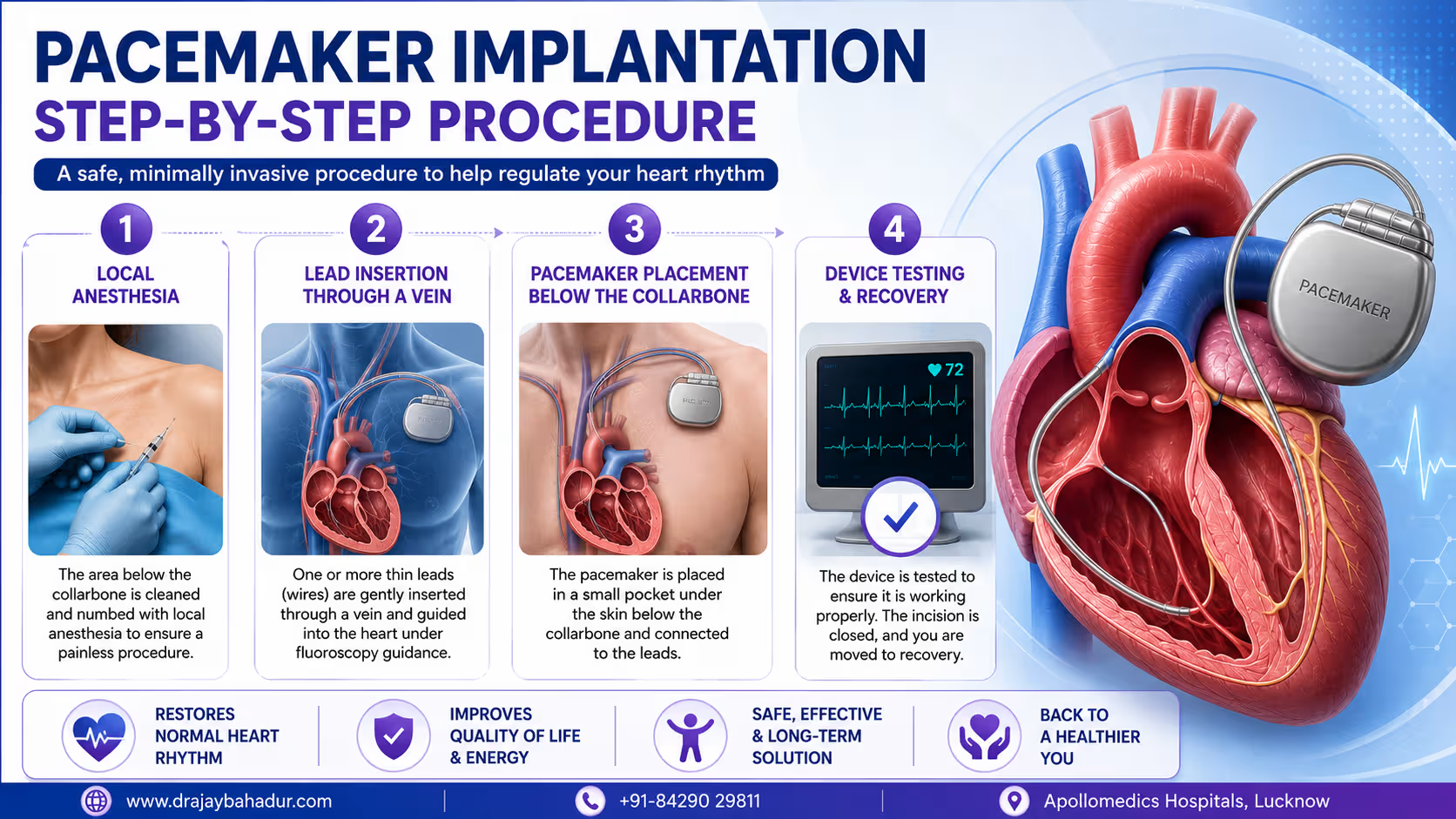
Pacemaker implantation is a minimally invasive cardiac procedure performed to treat slow or abnormal heart rhythms. The surgery is generally safe, does not require open-heart surgery, and most patients return home within one or two days.
Understanding each step of the procedure can help reduce anxiety and prepare you for a smooth treatment experience.
Before the Procedure
Before your pacemaker implantation, your cardiologist will perform a comprehensive evaluation to ensure the procedure is safe and appropriate for your condition.
This may include:
- Medical history and physical examination
- Electrocardiogram (ECG)
- Echocardiography
- Blood investigations
- Chest X-ray (if required)
- Review of current medications
- Fasting instructions before surgery
Your doctor may advise stopping certain blood-thinning medications temporarily before the procedure.
During the Procedure
Pacemaker implantation is usually performed under local anesthesia with mild sedation, allowing you to remain comfortable while avoiding the risks associated with general anesthesia.
Step 1: Preparing the Surgical Area
A small area below the collarbone—typically on the left side—is cleaned and sterilized. Local anesthesia is administered to numb the region.
Step 2: Inserting the Leads
Using X-ray guidance (fluoroscopy), the cardiologist inserts one or more thin insulated wires (leads) through a nearby vein into the heart. These leads are carefully positioned inside the appropriate heart chambers.
Step 3: Testing the Leads
The leads are tested to ensure they transmit electrical signals correctly and provide effective pacing.
Step 4: Implanting the Pacemaker
A small pocket is created beneath the skin, and the pacemaker generator is connected to the leads before being placed securely under the skin.
Step 5: Final Device Programming
The device is programmed according to your heart’s specific requirements and tested once again before the incision is closed.
The entire procedure generally takes 1–2 hours, depending on the complexity of the case.
After the Procedure
Following implantation, you’ll be monitored for several hours or overnight.
During this period, your healthcare team will:
- Monitor your heart rhythm
- Check the incision site
- Perform a chest X-ray if needed
- Test the pacemaker’s functioning
- Provide instructions before discharge
Most patients can walk within a few hours after surgery.
Recovery After Pacemaker Surgery
Recovery is generally quick, and many patients notice an improvement in their symptoms within days. However, complete healing takes several weeks.
Following your cardiologist’s advice is essential for a successful recovery.
Recovery Timeline
Day 1
- Mild soreness around the incision is normal.
- Your heart rhythm and blood pressure are monitored.
- Light walking is usually encouraged.
- Most patients are discharged within 24–48 hours.
Week 1
- Keep the incision clean and dry.
- Avoid lifting the arm on the side of the pacemaker above shoulder level.
- Avoid lifting heavy objects.
- Continue prescribed medications.
Weeks 2–4
- Bruising and swelling gradually improve.
- Daily activities can usually be resumed.
- Your doctor will check the wound and pacemaker settings during a follow-up visit.
After 6 Weeks
Most patients can return to:
- Office work
- Driving (as advised by the doctor)
- Light exercise
- Household activities
- Normal sleeping positions
- Moderate physical activity
Always follow your cardiologist’s recommendations before resuming strenuous exercise.
Healing Process After Pacemaker Surgery
Healing is usually straightforward when proper care is taken.
Tips for Faster Healing
- Keep the incision clean and dry.
- Avoid scratching or rubbing the wound.
- Wear loose-fitting clothing.
- Attend all scheduled follow-up appointments.
- Take medications exactly as prescribed.
- Avoid lifting heavy weights during the healing period.
- Report redness, swelling, or fever immediately.
Complete healing usually occurs within 4–6 weeks.
Will There Be a Scar?
Yes, a small scar is expected after pacemaker implantation.
However, the incision is usually only 4–6 cm long and is made just below the collarbone where it is less noticeable.
Initially, the scar may appear:
- Red
- Slightly raised
- Firm to touch
Over the next few months, it gradually fades and becomes less visible.
Scar Care Tips
- Avoid exposing the scar to direct sunlight.
- Follow wound-care instructions carefully.
- Do not apply creams unless recommended by your doctor.
- Avoid excessive stretching of the shoulder during early recovery.
Can You Breathe Normally After a Pacemaker?
Yes. A pacemaker does not interfere with normal breathing.
Some patients may experience mild discomfort when taking deep breaths immediately after surgery due to temporary soreness around the incision site.
This typically improves within a few days.
Contact Your Doctor If You Experience
- Sudden shortness of breath
- Persistent chest pain
- Difficulty breathing that worsens
- Fever with breathing difficulty
These symptoms require immediate medical evaluation.
Will My Heartbeat Feel Natural?
This is one of the most common concerns among patients.
The answer is yes.
Modern pacemakers continuously monitor your heart rhythm and provide electrical impulses only when necessary.
Most patients do not feel the pacemaker working.
Instead, many notice:
- Improved energy levels
- Reduced dizziness
- Better exercise tolerance
- Fewer fainting episodes
- Increased confidence in daily activities
The goal of the pacemaker is to restore a heart rhythm that feels as natural as possible.
What Is the Best Age for a Pacemaker?
There is no fixed age for pacemaker implantation.
The decision depends on your heart condition—not your age.
Older Adults
Pacemakers are commonly implanted in older adults experiencing age-related changes in the heart’s electrical system.
Younger Adults
Some younger individuals require pacemakers because of congenital heart conditions, inherited rhythm disorders, or previous heart surgery.
Children
Although uncommon, children with certain congenital heart diseases may also require pacemaker implantation.
Your cardiologist will recommend treatment based on your symptoms and overall heart health rather than age alone.
Benefits of Pacemaker Treatment
For patients with symptomatic arrhythmias, pacemaker implantation can significantly improve both health and quality of life.
Major Benefits
- Restores a healthy heart rhythm
- Prevents fainting episodes
- Improves blood circulation
- Reduces dizziness and fatigue
- Enhances exercise capacity
- Improves sleep quality
- Lowers the risk of complications related to severe bradycardia
- Helps certain heart failure patients through cardiac resynchronization therapy (CRT)
- Improves overall quality of life
Many patients are able to return to work, travel, and enjoy daily activities with greater confidence after recovery.
Risks and Possible Complications
Pacemaker implantation is considered a safe procedure with a high success rate. However, as with any medical procedure, there are potential risks.
Common Risks
- Bleeding
- Bruising
- Infection at the incision site
- Swelling
- Temporary discomfort
- Allergic reaction to medications
Less Common Risks
- Lead displacement
- Pneumothorax (collapsed lung)
- Damage to nearby blood vessels
- Blood clots
- Device malfunction (rare)
Choosing an experienced Interventional Cardiologist in Lucknow and following post-operative instructions can help minimize these risks.
Cost of Pacemaker Treatment in Lucknow
The cost of Pacemaker Treatment in Lucknow varies depending on several medical and hospital-related factors. Since every patient has unique clinical needs, the overall expense can differ from one case to another.
Instead of focusing only on the price, it is important to consider the quality of care, the expertise of the treating cardiologist, and the type of pacemaker recommended.
Factors That Affect the Cost
- Type of pacemaker (single, dual, biventricular, or leadless)
- Brand and technology of the device
- Complexity of the heart condition
- Diagnostic tests required before surgery
- Hospital facilities
- Duration of hospital stay
- ICU care, if needed
- Surgeon’s expertise and experience
- Follow-up visits and device programming
Is Pacemaker Surgery Covered by Insurance?
In many cases, health insurance plans cover pacemaker implantation when it is medically necessary.
Coverage depends on:
- Your insurance provider
- Policy terms and conditions
- Waiting periods (if applicable)
- Hospital network eligibility
Patients should confirm coverage details with both their insurance company and the hospital before the procedure.
Why Quality Matters More Than Cost
While cost is an important consideration, selecting an experienced cardiologist and a well-equipped cardiac center can significantly influence treatment outcomes.
An accurate diagnosis, proper device selection, skilled implantation, and regular follow-up care all contribute to the long-term success of pacemaker therapy.
Life After Pacemaker Surgery
Receiving a pacemaker is not the end of an active lifestyle—it is often the beginning of a healthier one. Most patients experience significant improvements in their energy levels, confidence, and ability to perform daily activities once their heart rhythm is stabilized.
Although a pacemaker requires regular follow-up and a few lifestyle precautions, the majority of people return to work, travel, exercise, and enjoy life with minimal restrictions.
Daily Life with a Pacemaker
After your recovery is complete, you can usually resume most of your normal activities.
Physical Activity
Regular physical activity is beneficial for heart health. Your cardiologist may recommend:
- Walking
- Light jogging (when medically appropriate)
- Cycling
- Yoga
- Stretching
- Cardiac rehabilitation exercises
Avoid contact sports or activities that could result in a direct blow to the pacemaker site unless your doctor advises otherwise.
Returning to Work
The timing depends on your occupation.
- Office workers often return within 1–2 weeks.
- Individuals with physically demanding jobs may require 4–6 weeks or longer.
Always follow your cardiologist’s guidance before resuming strenuous work.
Driving
Most patients can drive again after recovery, provided they have not experienced recent fainting episodes and their doctor confirms it is safe.
Driving restrictions may vary depending on your medical condition and local regulations.
Sleeping Position
During the first few weeks after surgery:
- Avoid sleeping directly on the pacemaker side if it causes discomfort.
- Use supportive pillows if needed.
Once healing is complete, most patients can sleep comfortably in any position.
Can You Use a Mobile Phone?
Yes.
Modern pacemakers are well shielded from interference.
However, it is advisable to:
- Hold your phone to the ear opposite the pacemaker.
- Avoid keeping the phone directly over the device (such as in a shirt pocket).
Airport Security and Travel
Traveling with a pacemaker is generally safe.
When passing through airport security:
- Inform security personnel that you have a pacemaker.
- Carry your pacemaker identification card.
- Avoid prolonged exposure to handheld metal detectors if advised by security staff.
Most patients can travel by car, train, or airplane once cleared by their cardiologist.
MRI Scans
Some modern pacemakers are MRI-compatible, while older devices may not be.
Always inform healthcare providers that you have a pacemaker before undergoing:
- MRI
- Electrocautery procedures
- Certain physiotherapy treatments
Your cardiologist will advise whether your device is MRI-safe.
Pacemaker Battery Life
Pacemaker batteries typically last 8–15 years, depending on:
- Device type
- Frequency of pacing
- Device settings
The battery does not stop suddenly. During regular follow-up visits, your cardiologist can detect when replacement is needed and schedule a simple generator replacement procedure.
Regular Follow-up Is Essential
Routine follow-up appointments help ensure your pacemaker is functioning properly.
During these visits, your cardiologist will:
- Check battery status
- Evaluate lead function
- Review your symptoms
- Adjust pacemaker settings if necessary
- Monitor your overall heart health
Skipping follow-up appointments is not recommended, even if you feel well.
Can Arrhythmia Be Prevented?
Not every arrhythmia can be prevented, especially those caused by inherited conditions or age-related changes. However, adopting a heart-healthy lifestyle can significantly reduce the risk of developing many rhythm disorders and help prevent complications.
Tips to Maintain a Healthy Heart Rhythm
- Keep your blood pressure under control.
- Manage diabetes effectively.
- Maintain healthy cholesterol levels.
- Exercise regularly.
- Eat a balanced, heart-friendly diet.
- Maintain a healthy body weight.
- Avoid smoking and tobacco products.
- Limit alcohol intake.
- Reduce stress through relaxation techniques.
- Get adequate sleep.
- Take prescribed medications as directed.
- Schedule regular heart check-ups.
Myths vs Facts About Pacemakers
| Myth | Fact |
|---|---|
| A pacemaker replaces the heart. | A pacemaker supports your heart by regulating its rhythm when needed. |
| Pacemaker surgery is open-heart surgery. | It is a minimally invasive procedure performed through a small incision. |
| You cannot exercise after getting a pacemaker. | Most patients return to regular physical activity after recovery. |
| Mobile phones damage pacemakers. | Modern pacemakers are designed to resist interference when basic precautions are followed. |
| You cannot travel with a pacemaker. | Most people with pacemakers can travel safely, including by air. |
| Pacemakers are only for elderly patients. | People of various ages may require a pacemaker depending on their heart condition. |
| A pacemaker cures every type of arrhythmia. | It treats specific rhythm disorders, especially slow heart rhythms, but other arrhythmias may require different treatments. |
When Should You Seek Immediate Medical Care?
Although complications are uncommon, contact your doctor or visit the nearest emergency department immediately if you experience:
- Sudden chest pain
- Severe shortness of breath
- Loss of consciousness
- Persistent dizziness
- Fever with redness or discharge from the incision site
- Swelling around the pacemaker pocket
- Persistent hiccups after implantation
- Rapid or very slow heartbeat
- Unexplained weakness
- Signs of stroke, such as difficulty speaking or weakness on one side of the body
Prompt medical attention can prevent serious complications.
Frequently Asked Questions (FAQs)
1. What is the difference between arrhythmia and a heart attack?
An arrhythmia is an abnormal heart rhythm caused by problems with the heart’s electrical system. A heart attack occurs when blood flow to part of the heart muscle is blocked. Although they are different conditions, a heart attack can sometimes trigger an arrhythmia.
2. Is pacemaker implantation painful?
No. The procedure is usually performed under local anesthesia with mild sedation. You may feel slight pressure during the procedure and mild soreness afterward, which typically improves within a few days.
3. How long does pacemaker surgery take?
Most pacemaker implantation procedures are completed within 1–2 hours, depending on the complexity of the case.
4. How long does recovery take?
Most patients resume normal daily activities within 2–6 weeks, although complete recovery varies depending on individual health and the type of procedure performed.
5. Can I sleep on my side after pacemaker surgery?
During the initial healing period, avoid putting pressure on the pacemaker site if it causes discomfort. Once healing is complete, most people can sleep in their preferred position.
6. Can I travel after getting a pacemaker?
Yes. Most patients can travel safely after recovering from the procedure. Carry your pacemaker identification card and inform airport security personnel when necessary.
7. Can I use a mobile phone?
Yes. Modern pacemakers are generally not affected by mobile phones when used normally. As a precaution, avoid keeping your phone directly over the device.
8. How long does a pacemaker battery last?
Most pacemaker batteries last 8–15 years. Your cardiologist will monitor battery status during routine follow-up visits and recommend replacement when needed.
9. Does a pacemaker cure arrhythmia?
A pacemaker helps manage certain types of arrhythmias, especially slow heart rhythms (bradycardia). Other rhythm disorders may require medications, catheter ablation, or different treatments.
10. What foods should I eat after pacemaker surgery?
Focus on a heart-healthy diet that includes fruits, vegetables, whole grains, lean proteins, healthy fats, and low-fat dairy products. Limiting salt, processed foods, and sugary beverages can also support overall heart health.
11. Can I exercise after getting a pacemaker?
Yes. After your doctor confirms that healing is complete, regular exercise is encouraged. Your cardiologist will recommend an exercise plan based on your overall health and heart condition.
12. How often will I need follow-up appointments?
Most patients have an initial follow-up within a few weeks after implantation, followed by regular device checks every few months or as advised by their cardiologist.
Why Choose Dr. Ajay Bahadur for Pacemaker & Arrhythmia Treatment in Lucknow?
Choosing the right cardiologist is one of the most important decisions when seeking treatment for heart rhythm disorders.
Dr. (Col) Ajay Bahadur is a highly experienced Interventional Cardiologist in Lucknow with over 35 years of expertise in diagnosing and treating complex heart conditions. He is known for his patient-centered approach, evidence-based treatment plans, and expertise in advanced cardiac procedures, including pacemaker implantation and arrhythmia management.
Patients benefit from:
- Advanced evaluation of heart rhythm disorders
- Personalized treatment planning
- Expertise in pacemaker implantation
- Modern cardiac diagnostic facilities
- Comprehensive pre- and post-procedure care
- Long-term follow-up for optimal device performance
If you are experiencing symptoms such as dizziness, fainting, palpitations, or an unusually slow heartbeat, timely evaluation can make a significant difference in your heart health.
Conclusion
An irregular heartbeat should never be ignored. While some arrhythmias are harmless, others can lead to serious complications if left untreated. Fortunately, advances in modern cardiology have made the diagnosis and treatment of heart rhythm disorders safer and more effective than ever.
Pacemaker implantation is a proven, minimally invasive treatment that can restore a healthy heart rhythm, reduce symptoms, and improve quality of life for people with certain types of arrhythmias. With proper follow-up, a heart-healthy lifestyle, and expert medical care, most patients can return to their normal daily activities with confidence.
If you or a loved one is experiencing symptoms of an abnormal heartbeat, consult Dr. Ajay Bahadur, a trusted Best Cardiologist in Lucknow, for a comprehensive evaluation and personalized treatment plan. Early diagnosis and timely intervention can help protect your heart and improve your long-term health.
Call to Action
Don’t ignore symptoms like dizziness, fainting, palpitations, or a slow heartbeat. Early diagnosis can save lives.
Book a consultation with Dr. (Col) Ajay Bahadur for expert Pacemaker Treatment in Lucknow and Arrhythmia Treatment in Lucknow.
Dr. (Col) Ajay Bahadur
MBBS | MD | DM (Cardiology) | FRCP (Glasg)
Director – Interventional Cardiology
Apollomedics Hospitals, Lucknow
🌐 Website: https://drajaybahadur.com
📞 Appointment: +91-84290-29811