
Why Dizziness and Fainting Should Never Be Ignored
Dizziness and fainting are common complaints, often dismissed as signs of dehydration, hunger, or simple exhaustion. However, when these symptoms occur repeatedly or without an obvious trigger, they may be the body’s way of signaling a hidden cardiovascular issue. Understanding the heart conditions that can cause dizziness and fainting is critical for early intervention and preventing serious complications like strokes or sudden cardiac arrest.
When the heart fails to pump oxygen-rich blood effectively to the brain, the central nervous system reacts almost instantly. This brief interruption in blood flow can lead to a range of sensations, from a mild “spinning” feeling to a total loss of consciousness. For residents in Uttar Pradesh, seeking guidance from the Best Heart Specialist in Lucknow is a vital step in ruling out underlying cardiac pathologies that might be masquerading as simple lightheadedness.
In this comprehensive guide, we will explore the intricate link between your heart health and your balance, the specific conditions that disrupt this harmony, and why consulting an expert like Dr. Ajay Bahadur can make a life-saving difference.
What Happens in the Body During Dizziness and Fainting?
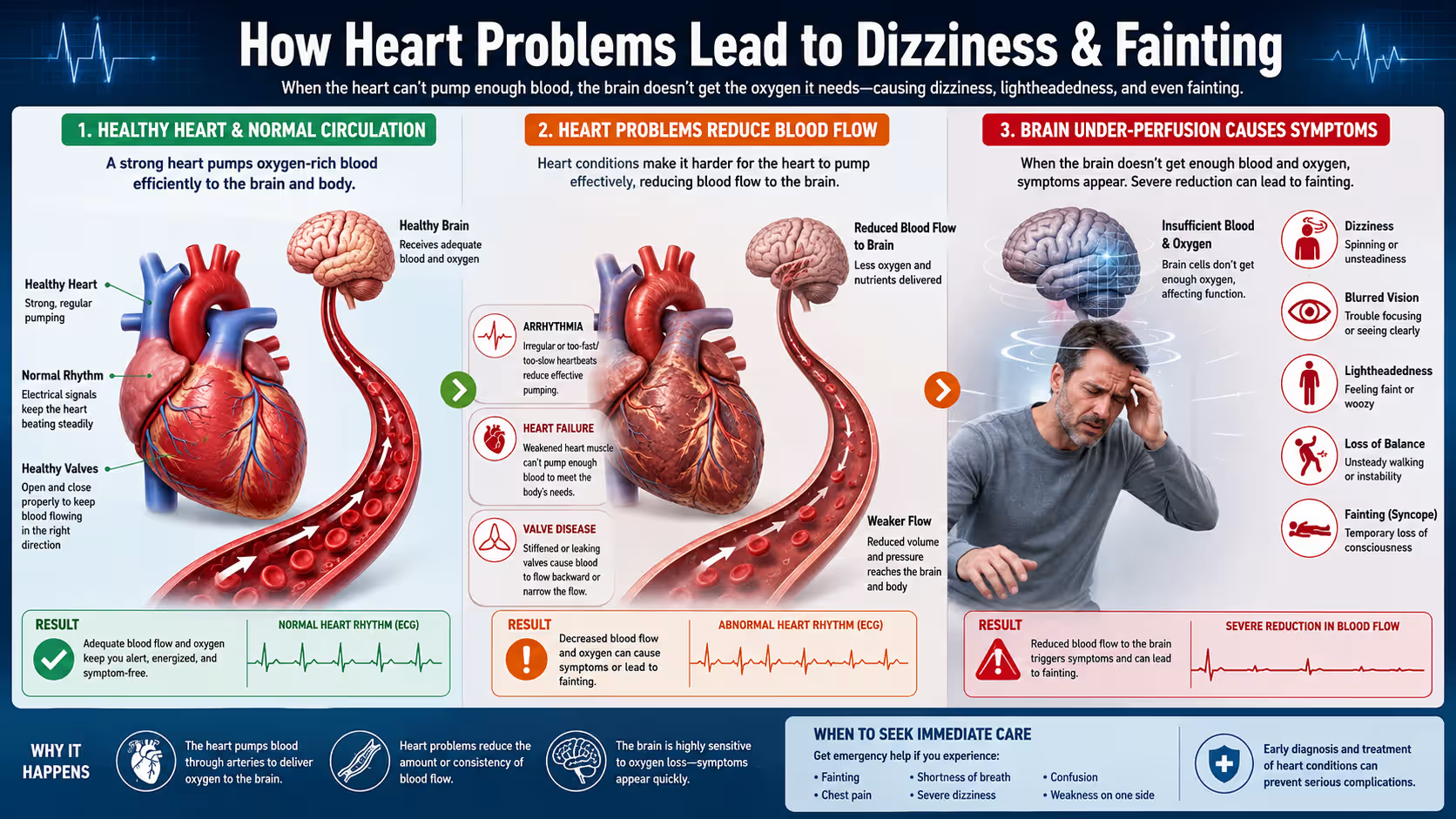
To understand why the heart affects your balance, we must look at the brain’s demand for resources. Although the brain represents only about 2% of total body weight, it consumes roughly 20% of the body’s oxygen and glucose. It has virtually no capacity to store energy, meaning it relies on a continuous, high-pressure stream of blood.
How the Brain Depends on Continuous Blood Flow
The heart acts as the primary pump, maintaining a steady “perfusion pressure.” If the blood pressure drops significantly or the heart’s output falters for even five to ten seconds, the brain’s electrical activity begins to slow down. This is the physiological trigger for lightheadedness and, eventually, syncope (fainting).
Why Reduced Blood Supply Causes Symptoms
When the brain senses a drop in oxygen (hypoxia), it triggers a “system reset.” By causing the body to collapse into a horizontal position (fainting), the brain makes it easier for the heart to pump blood against gravity. Dizziness is often the “warning phase” where the brain is struggling but hasn’t yet lost consciousness.
Difference Between Dizziness, Vertigo, and Syncope
It is essential to distinguish these terms to help your doctor:
-
Dizziness: A general term for feeling off-balance or lightheaded.
-
Vertigo: A specific sensation that the room is spinning (often related to the inner ear, not the heart).
-
Syncope (Fainting): A sudden, temporary loss of consciousness followed by a quick, spontaneous recovery.
-
Near-Syncope: Feeling as though you are about to black out but remaining conscious.
Warning Signs Before Fainting Occurs
Many patients experience “prodromal” symptoms before losing consciousness:
-
Blurred or “tunnel” vision.
-
Nausea or “butterflies” in the stomach.
-
Sudden cold sweat (diaphoresis).
-
Pallor (turning pale).
-
Palpitations or a racing heart.
Can Heart Disease Cause Dizziness?
The short answer is a definitive yes. While many causes of dizziness are benign (like inner ear infections), heart disease is a leading “red flag” cause.
How the Heart Maintains Blood Pressure
The heart regulates blood pressure through a combination of heart rate (how fast it beats) and stroke volume (how much blood it pumps per beat). If either of these is compromised—due to a weak muscle, a stiff valve, or an electrical glitch—blood pressure can plummet.
What Happens When the Heart Cannot Pump Properly?
If the heart muscle is damaged (from a previous heart attack) or thickened (cardiomyopathy), it cannot contract with enough force. This results in “low cardiac output.” During physical exertion, the body demands even more blood; if the heart can’t keep up, the brain is the first to suffer, leading to dizziness or collapse.
Temporary vs. Serious Causes of Dizziness
-
Temporary: Dehydration, standing up too quickly (orthostatic hypotension), or intense heat.
-
Serious: Blocked arteries (coronary artery disease), heart valve narrowing, or dangerous arrhythmias.
When Symptoms Require Immediate Attention
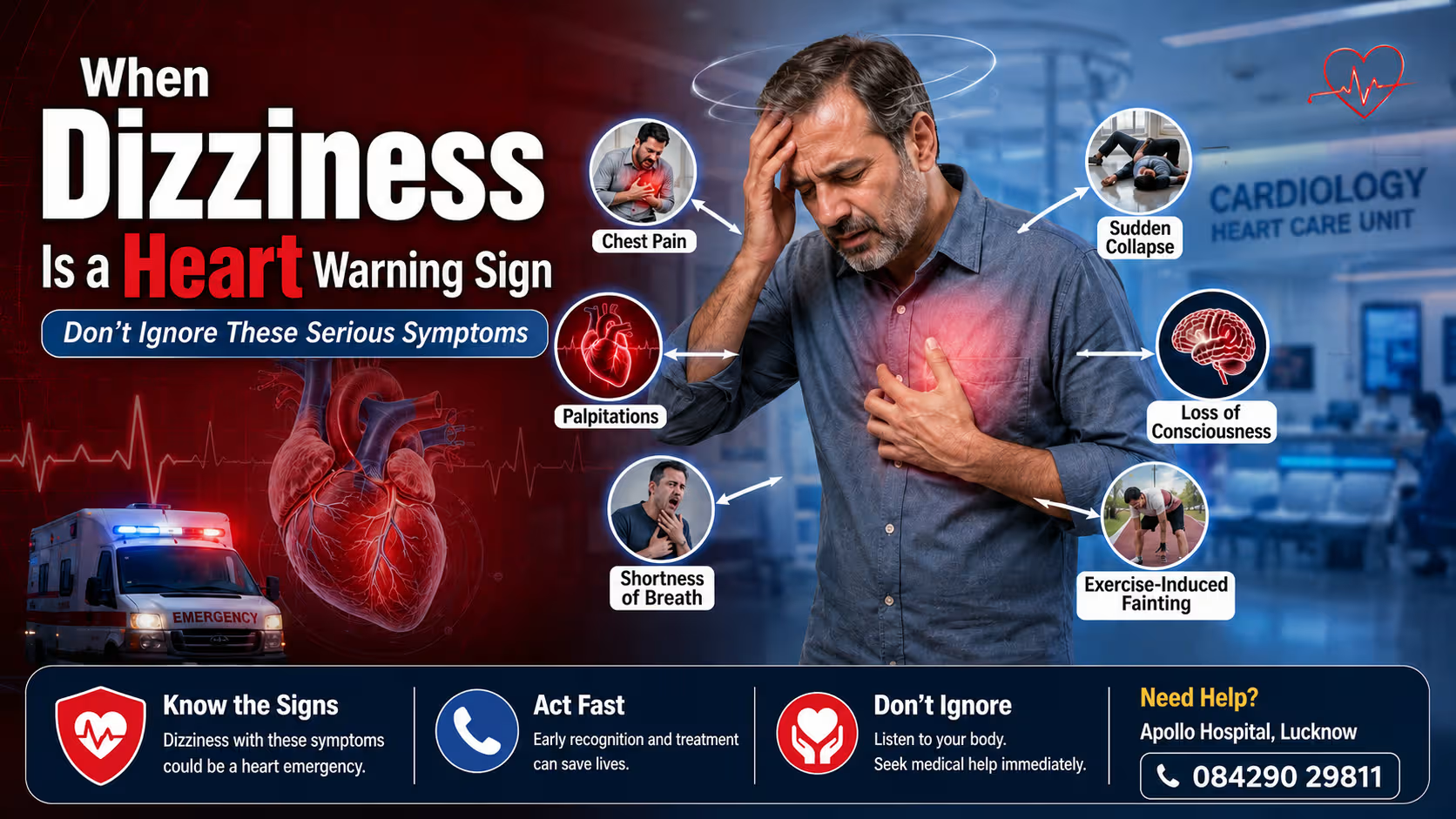
If dizziness is accompanied by chest pain, shortness of breath, or occurs during exercise, it is a medical emergency. Consulting the Best Heart Specialist in Lucknow immediately can help determine if these symptoms are related to a life-threatening blockage or electrical failure.
Heart Conditions That Can Cause Dizziness and Fainting
Several specific cardiac pathologies are notorious for causing syncope and lightheadedness.
1. Arrhythmias (Abnormal Heart Rhythms)
Arrhythmias are perhaps the most common cardiac cause of fainting. When the heart’s electrical system malfunctions, the heart beats too fast, too slow, or irregularly.
-
Bradycardia (Slow Heart Rate): If the heart beats fewer than 60 times per minute (and isn’t the result of athletic conditioning), it may not pump enough blood to the brain. This is often caused by problems with the SA node (the heart’s natural pacemaker) or “heart block.”
-
Tachycardia (Fast Heart Rate): When the heart beats too fast (e.g., SVT or Ventricular Tachycardia), the chambers don’t have enough time to fill with blood between beats. This leads to a drop in the amount of blood ejected.
-
Atrial Fibrillation (Afib): While Afib primarily increases stroke risk, the irregular and often rapid heart rate can cause significant dizziness and fatigue.
-
Ventricular Arrhythmias: These are life-threatening rhythms originating in the lower chambers. They often cause sudden, “drop-attack” fainting without warning.
Comparison Chart: Common Rhythm Disorders
| Condition | Heart Rate | Primary Symptom | Risk Level |
| Bradycardia | < 60 bpm | Chronic fatigue, fainting | Moderate to High |
| Tachycardia | > 100 bpm | Palpitations, chest fluttering | Moderate |
| Atrial Fibrillation | Irregular | Dizziness, pulse gaps | High (Stroke risk) |
| Heart Block | Very Slow/Skipped | Sudden blackouts | Emergency |
| Ventricular Tachycardia | Very Fast | Immediate collapse | Life-Threatening |
2. Structural Heart Diseases
Sometimes the heart’s “plumbing” or structure is the problem, not the “electricity.”
-
Aortic Stenosis: This is the narrowing of the aortic valve. It restricts blood flow from the heart to the rest of the body. Fainting during exercise is a classic sign of severe aortic stenosis.
-
Hypertrophic Cardiomyopathy (HCM): An inherited condition where the heart muscle becomes abnormally thick. This thickness can physically block blood leaving the heart.
-
Heart Valve Disorders: Leaky valves (regurgitation) or stiff valves (stenosis) force the heart to work harder, eventually leading to reduced output and lightheadedness.
-
Pulmonary Hypertension: High blood pressure in the lung arteries can strain the right side of the heart, leading to fainting during physical activity.
-
Severe Heart Failure: As the heart weakens, it loses its ability to circulate blood effectively, leading to chronic dizziness and near-fainting.
Low Blood Pressure and Heart-Related Dizziness
While high blood pressure is a well-known “silent killer,” low blood pressure (hypotension) is a more frequent cause of immediate dizziness.
Orthostatic Hypotension
This occurs when your blood pressure drops suddenly as you stand up. Gravity pulls blood toward your legs, and if your heart and vessels don’t react fast enough, the brain experiences a brief “dry spell.”
Medication-Induced Blood Pressure Drops
Many heart patients are on diuretics, beta-blockers, or ACE inhibitors. If the dosage is too high, it can lead to excessively low blood pressure, causing frequent dizziness. Dr. Ajay Bahadur emphasizes the importance of regular medication reviews to balance blood pressure control with quality of life.
Heart Pump Failure
In cardiogenic shock or advanced heart failure, the heart simply cannot generate enough pressure to overcome gravity, making the patient feel dizzy even while sitting or lying down.
Symptoms That May Suggest a Cardiac Cause
Not all fainting is equal. If you experience the following, the cause is more likely to be your heart than a simple vasovagal (nervous system) response.
-
Recurrent Dizziness: Episodes that happen multiple times a week without a clear trigger.
-
Sudden Fainting Without Warning: “Vasovagal” fainting usually has a slow onset (sweating, nausea). Cardiac fainting is often instantaneous—one moment you are standing, the next you are on the floor.
-
Palpitations: Feeling like your heart is skipping beats or racing before you feel dizzy.
-
Chest Pain: Pressure or discomfort in the chest accompanying the lightheadedness.
-
Shortness of Breath: Feeling winded even with minimal movement.
-
Loss of Consciousness During Exercise: This is a major red flag for structural heart disease or dangerous arrhythmias.
Warning Signs That Require Emergency Medical Care
Fainting can sometimes be the only warning sign before a major cardiac event. You must seek emergency care if you or a loved one experiences:
-
Fainting During Physical Activity: This often indicates a blockage or a severe valve issue.
-
Chest Pain Before Fainting: Suggests a potential heart attack.
-
Sudden Collapse: No “warning signs” like nausea or sweating.
-
Family History: If relatives died young from unexplained heart issues.
-
Irregular Heartbeats: Feeling a “thumping” or “chaotic” rhythm in the chest.
Red-Flag Symptoms Summary
| Red Flag | Potential Meaning | Action |
| Syncope during exertion | Valve disease or HCM | Immediate Cardiology Referral |
| Chest pain + Syncope | Myocardial Infarction (Heart Attack) | Emergency Room |
| Palpitations + Syncope | Ventricular Tachycardia | Emergency Room |
| Confusion after waking up | Stroke or Seizure | Emergency Room |
Who Is at Higher Risk?
While anyone can experience heart-related dizziness, certain groups are at a much higher risk:
-
Older Adults: Natural aging of the heart’s conduction system can lead to bradycardia or valve calcification.
-
Patients with Existing Heart Disease: Those who have survived a heart attack or have known heart failure.
-
Diabetics: Diabetes can damage the nerves that control blood pressure (autonomic neuropathy).
-
Smokers: Smoking damages arteries, leading to blockages and hypertension.
-
Family History: Genetics play a massive role in arrhythmias and cardiomyopathy.
How Doctors Diagnose Heart-Related Fainting
The goal of diagnosis is to catch the heart “in the act” of malfunctioning. Because fainting is often transient, doctors use several tools:
Medical History and Physical Examination
Your doctor will ask about the “setting” of your fainting. Did it happen after a meal? During a workout? While standing for a long time? They will also check for heart murmurs.
Diagnostic Tools
-
Electrocardiogram (ECG): A snapshot of the heart’s electrical activity.
-
Echocardiography (Echo): An ultrasound that looks at the heart’s structure and valves.
-
Holter Monitoring: A wearable device that records your heart rhythm for 24 to 48 hours.
-
Event Recorders: Similar to a Holter but worn for weeks to catch infrequent episodes.
-
Stress Testing: Monitoring the heart’s response to physical exertion on a treadmill.
-
Tilt Table Test: Used to see how your heart rate and blood pressure respond to changes in position.
-
Electrophysiology (EP) Study: An invasive test where tiny wires are used to map the heart’s electrical system.
Diagnostic Test Comparison
| Test | What It Detects | Best For |
| ECG | Current rhythm | Immediate electrical issues |
| Echo | Heart structure | Valve disease, muscle thickness |
| Holter | 24-hour rhythm | Daily palpitations/dizziness |
| Stress Test | Heart under load | Exercise-induced fainting |
| Tilt Table | BP/Reflexes | Distinguishing vasovagal vs. cardiac |
Understanding Cardiac Syncope
What Is Cardiac Syncope?
Cardiac syncope is fainting caused specifically by a heart problem. It is more dangerous than other types of fainting because it often occurs without warning and carries a high risk of sudden death if the underlying cause isn’t treated.
Why It Can Be Dangerous
Unlike “common” fainting, which is usually a temporary drop in blood pressure, cardiac syncope is often caused by a total (though brief) cessation of blood flow. This can lead to secondary injuries from falling or, worse, the heart may fail to restart its normal rhythm on its own.
Cardiac vs. Non-Cardiac Fainting
Non-cardiac fainting (vasovagal) usually has triggers like the sight of blood, emotional stress, or standing in heat. Cardiac fainting is often “unprovoked” or happens during activity.
Treatment Options for Heart-Related Dizziness and Fainting
Once a diagnosis is made, treatment focuses on restoring steady blood flow and normalizing the heart rhythm.
Lifestyle Modifications
For mild cases, increasing fluid and salt intake (if blood pressure is low) or wearing compression stockings can help. Avoiding triggers like sudden standing or caffeine may also be recommended.
Medication Management
-
Anti-arrhythmics: To control irregular heartbeats.
-
Blood Pressure Meds: To stabilize pressure (either raising or lowering it as needed).
-
Blood Thinners: If Afib is present, to prevent stroke.
Advanced Medical Procedures
-
Pacemaker Implantation: A small device that ensures the heart doesn’t beat too slowly. This is the gold standard for bradycardia and heart block.
-
Catheter Ablation: Using heat or cold to destroy the tiny area of heart tissue causing a rapid, irregular rhythm.
-
Valve Repair or Replacement: If aortic stenosis is the cause, replacing the valve can completely resolve the fainting episodes.
-
ICD (Implantable Cardioverter Defibrillator): For those at risk of dangerous ventricular rhythms, this device can deliver a life-saving shock if the heart stops.
Treatment Comparison Chart
| Cause | Primary Treatment | Expected Outcome |
| Slow Heart Rate | Pacemaker | Excellent rhythm control |
| Fast Heart Rate | Ablation or Meds | Reduced episodes |
| Valve Stenosis | Valve Replacement | Restoration of blood flow |
| Low Blood Pressure | Fluid/Med adjustment | Stabilized BP |
Can These Conditions Be Prevented?
While some causes are genetic, many are lifestyle-related. Prevention focuses on maintaining “vascular health.”
-
Manage Blood Pressure: Keep it within the 120/80 range.
-
Control Cholesterol: Prevent the plaque buildup that leads to blockages.
-
Maintain a Healthy Weight: Reduces the strain on the heart muscle.
-
Regular Physical Activity: Strengthens the heart, but consult a doctor first if you have experienced dizziness.
-
Smoking Cessation: The single best thing you can do for your heart.
-
Routine Checkups: Early detection of a murmur or an irregular pulse can prevent a fainting episode before it happens.
How to Respond When Someone Faints
If you see someone collapse, your response can save their life.
Immediate First Aid Steps
-
Check Responsiveness: Tap them and shout.
-
Check Breathing and Pulse: If there is no pulse, begin CPR immediately.
-
Positioning: If they are breathing, lay them on their back and lift their legs about 12 inches to help blood flow to the brain.
-
Loosen Clothing: Ensure they have plenty of air.
-
Monitor: Stay with them until they are fully awake or help arrives.
What NOT to Do
-
Do not give them water or food while they are unconscious (choking hazard).
-
Do not slap them or splash water on their face.
-
Do not let them get up too quickly once they wake up.
Long-Term Outlook for Patients
The long-term outlook for heart-related dizziness is generally very positive, provided the patient receives an accurate diagnosis. Modern cardiology has made incredible strides in managing arrhythmias and structural issues.
Dr. Ajay Bahadur, recognized by many patients as the best heart specialist in Lucknow, emphasizes that repeated dizziness or unexplained fainting should never be ignored because early diagnosis can prevent serious complications. Whether it’s a simple medication adjustment or a life-saving pacemaker, taking the first step to see a cardiologist is crucial.
When Should You Consult a Heart Specialist?
If you live in or near Lucknow, you have access to world-class cardiac care. You should book an appointment if you experience:
-
Dizziness that happens more than once without an obvious cause.
-
A sudden “blackout” where you don’t remember falling.
-
A feeling of “skipped beats” or a racing pulse.
-
If you have a family history of heart failure or sudden death.
-
If your dizziness is preventing you from driving, working, or exercising.
Consulting the Heart Doctor in Lucknow ensures that you aren’t just treating the symptoms, but addressing the root cause of the problem.
Key Takeaways
-
Dizziness is more than a nuisance: It is a primary symptom of reduced blood flow to the brain.
-
Heart rhythm disorders are common culprits: Both slow and fast heart rates can cause fainting.
-
Structural issues are serious: Valve problems or thickened heart muscles require specialized imaging.
-
Cardiac syncope is a red flag: Sudden fainting without warning often points to a heart issue.
-
Early intervention saves lives: Most heart conditions that cause fainting are highly treatable with modern medicine.
Conclusion
Not all dizziness is harmless. While it might be tempting to blame a “spinning head” on a lack of sleep or a skipped meal, the heart is often the hidden driver behind these episodes. Heart conditions that can cause dizziness and fainting range from manageable electrical glitches to serious structural blockages, and distinguishing between them requires expert diagnostic tools.
Early diagnosis is the key to preventing more severe outcomes like strokes or heart failure. If you or a loved one are experiencing recurrent fainting or lightheadedness, do not wait for the next episode. Seek professional help from a Cardiologist in Lucknow. Experts like Dr. Ajay Bahadur can provide the comprehensive evaluation needed to keep your heart—and your health—on the right track. As the Best Heart Specialist in Lucknow, he provides personalized care plans to ensure your symptoms are managed effectively, giving you the peace of mind you deserve.
FAQs
Q1. Can heart problems cause dizziness every day?
Yes. Conditions like chronic heart failure, persistent arrhythmias (like Afib), or severe valve disease can lead to daily lightheadedness because the heart is consistently struggling to pump enough blood to the brain.
Q2. What heart condition causes sudden fainting?
Cardiac syncope, often caused by ventricular tachycardia or a complete heart block, can cause sudden fainting. Unlike other types of fainting, these often happen without warning and require immediate medical evaluation.
Q3. Is dizziness a sign of blocked arteries?
It can be. If the coronary arteries are blocked, the heart muscle doesn’t get enough oxygen, which weakens its pumping power. This reduced output can lead to dizziness, especially during physical activity.
Q4. When should I worry about dizziness and fainting?
You should worry if the fainting occurs during exercise, is accompanied by chest pain or palpitations, or happens suddenly without the typical “warning” signs of nausea and sweating.
Q5. Can arrhythmias cause loss of consciousness?
Yes. When the heart beats too fast or too slow, it fails to maintain the blood pressure necessary to keep the brain conscious. This loss of consciousness is known as an arrhythmic syncope.
Q6. What is cardiac syncope?
Cardiac syncope is a temporary loss of consciousness caused by a cardiac event that prevents the brain from receiving adequate blood flow. It is considered a high-risk medical condition.
Q7. How do doctors diagnose heart-related fainting?
Doctors use a combination of medical history, ECGs, Echocardiograms, and long-term heart monitors (like Holter monitors) to capture the heart rhythm during a dizzy spell.
Q8. Can low blood pressure be caused by heart disease?
Yes. Heart pump failure, certain valve disorders, and excessive heart medications can all cause blood pressure to drop low enough to induce dizziness or fainting.
Q9. Are dizziness and palpitations related?
Often, yes. If you feel your heart racing or skipping beats (palpitations) followed by dizziness, it is a strong indicator that an arrhythmia is causing a drop in blood flow.