
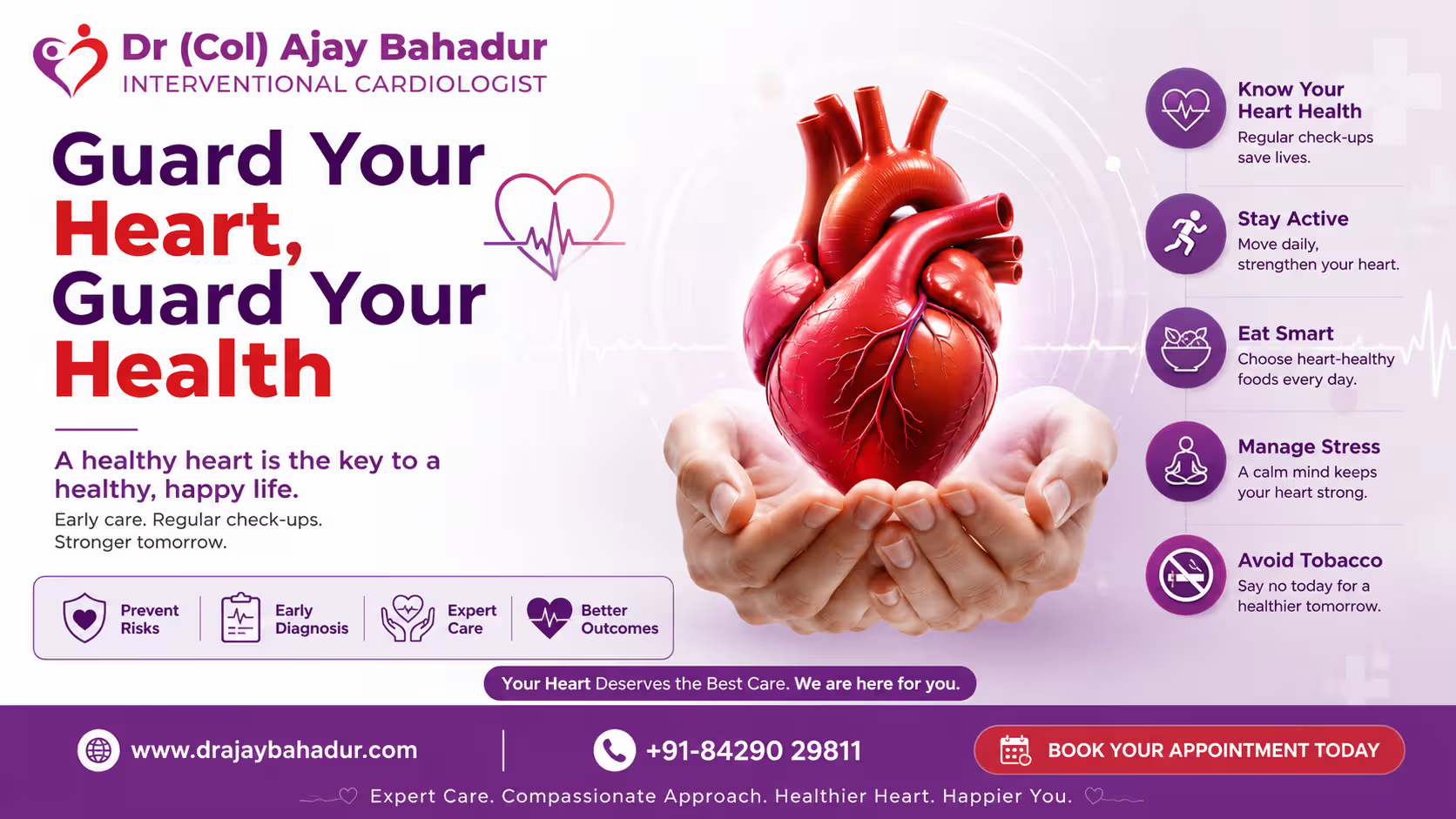
The heart is the engine of the human body. It beats approximately 100,000 times a day, pumping life-sustaining blood to every cell, organ, and tissue. Yet, despite its critical importance, heart disease remains the leading cause of mortality worldwide. The fast-paced nature of modern life—characterized by sedentary jobs, processed diets, and high stress—has put our cardiovascular systems under unprecedented pressure.
The good news? Most heart-related issues are preventable. By adopting a proactive approach to heart health, you can significantly reduce your risk of complications and live a more vibrant, energetic life. This guide explores everything you need to know about guarding your heart through heart disease prevention, lifestyle modifications, and professional care.
“Protecting your heart involves maintaining healthy blood pressure, controlling cholesterol, staying physically active, eating a balanced diet, and avoiding smoking. Small daily habits can significantly reduce the risk of heart disease and improve overall health. Regular screenings with an expert are essential for early detection and long-term cardiovascular wellness.”

Why Heart Health Matters More Than You Think
We often take our heart for granted until something goes wrong. However, cardiovascular health is the cornerstone of your entire physical existence.
The Heart Works 24/7
Unlike your skeletal muscles, your heart never gets a break. It works tirelessly to deliver oxygen and nutrients while removing metabolic waste. When the heart’s efficiency drops, every other system in the body suffers.
The Link Between Heart Health and Longevity
Data consistently shows that individuals with strong cardiovascular markers live longer, more active lives. Heart health awareness isn’t just about avoiding a heart attack; it’s about ensuring that your body can sustain itself well into your 80s and 90s.
Impact on Brain, Kidneys, and Overall Wellness
The vascular system is a connected network. Issues like high blood pressure or clogged arteries (atherosclerosis) don’t just affect the heart. They can lead to strokes (brain), chronic kidney disease, and peripheral artery disease. A healthy heart ensures that your brain stays sharp and your organs function optimally.
Quality of Life and Cardiovascular Fitness
Good heart health translates to better stamina. Whether it’s playing with your children, hiking, or simply climbing a flight of stairs without getting winded, a strong heart directly dictates your daily energy levels and independence.
Understanding Common Heart Diseases
To guard your heart, you must understand the enemies you are fighting. Heart disease prevention starts with knowledge.
Coronary Artery Disease (CAD)
This is the most common type of heart disease. It occurs when the arteries that supply blood to the heart muscle become hardened and narrowed due to the buildup of plaque (cholesterol).
Heart Attack (Myocardial Infarction)
A heart attack happens when the blood flow to a part of the heart is blocked, usually by a blood clot. Without oxygen, the heart muscle begins to die. Immediate heart attack prevention strategies are vital for anyone with risk factors.
Heart Failure
This doesn’t mean the heart has stopped; it means the heart isn’t pumping blood as well as it should. It leads to fluid buildup in the lungs and limbs.
Arrhythmias
This refers to an irregular heartbeat. The heart may beat too fast (tachycardia), too slow (bradycardia), or erratically. While some are harmless, others can be life-threatening.
High Blood Pressure (Hypertension)
Often called the “silent killer,” hypertension puts constant strain on the arterial walls, leading to heart disease and stroke if left unmanaged.
Major Risk Factors That Can Damage Your Heart
Understanding your risk profile is the first step toward a healthy lifestyle for heart longevity.
-
High Blood Pressure: It forces the heart to work harder, weakening it over time.
-
High Cholesterol: Excess LDL (bad cholesterol) creates blockages in the arteries.
-
Diabetes: High blood sugar damages blood vessels and the nerves that control the heart.
-
Obesity: Carrying extra weight, especially around the abdomen, increases the strain on the heart and raises the risk of other conditions.
-
Smoking: Chemicals in tobacco damage blood cells and the function of your heart.
-
Excess Alcohol Consumption: Heavy drinking can lead to high blood pressure and heart failure.
-
Chronic Stress: Long-term stress increases cortisol and adrenaline, which can trigger heart issues.
-
Physical Inactivity: A sedentary lifestyle is one of the primary drivers of the global heart disease epidemic.
Early Warning Signs Your Heart May Be in Trouble
Your body often sends signals before a major cardiac event occurs. Recognizing these early is crucial for heart care tips to be effective.
-
Chest Pain or Discomfort: Often described as pressure, squeezing, or fullness (Angina).
-
Shortness of Breath: Feeling winded after minor exertion or while lying down.
-
Fatigue: Unexplained, extreme exhaustion that interferes with daily tasks.
-
Palpitations: Feeling like your heart is skipping a beat, fluttering, or thumping.
-
Dizziness or Lightheadedness: This could indicate a drop in blood pressure or an arrhythmia.
-
Swelling in the Legs (Edema): When the heart can’t pump effectively, fluid collects in the lower extremities.
-
Unexplained Sweating: Cold sweats, especially when accompanied by chest discomfort, are a red flag.
When to Seek Help: If you experience sudden, severe chest pain, fainting, or extreme breathlessness, seek emergency medical care immediately.
The Power of a Heart-Healthy Diet
What you put on your plate is your most powerful medicine. A heart healthy diet focuses on nutrient density and inflammation reduction.
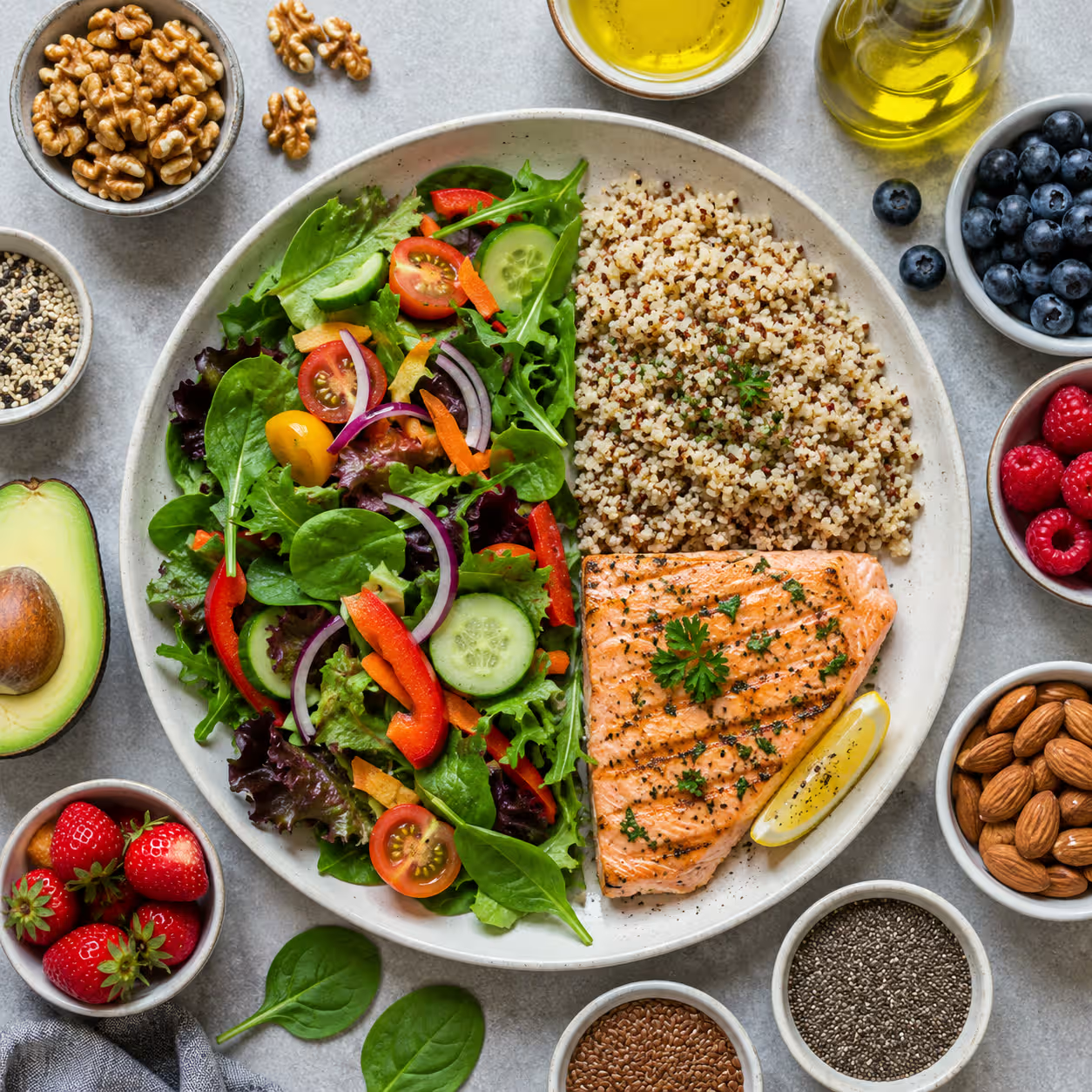
Foods That Support Heart Health
-
Fruits and Vegetables: Packed with antioxidants, fiber, and potassium.
-
Whole Grains: Oats, quinoa, and brown rice help lower “bad” cholesterol.
-
Healthy Fats: Omega-3 fatty acids found in walnuts, flaxseeds, and fatty fish (like salmon) reduce inflammation.
-
Lean Proteins: Legumes, beans, and skinless poultry provide protein without the saturated fats of red meat.
Heart-Friendly Food Chart
| Eat More | Limit or Avoid |
| Fresh Fruits & Leafy Greens | Sugary Sodas & Energy Drinks |
| Whole Grains (Oats, Barley) | Processed Meats (Sausages, Bacon) |
| Nuts, Seeds, & Olive Oil | Excess Table Salt (Sodium) |
| Fatty Fish (Salmon, Mackerel) | Trans Fats (Margarine, Fried Foods) |
| Legumes and Lentils | Highly Processed Snacks/Biscuits |
Exercise: Your Heart’s Best Friend
Physical activity strengthens the heart muscle and makes it more efficient at pumping blood. To prevent heart disease naturally, movement is non-negotiable.
Recommended Weekly Exercise Goals
The American Heart Association recommends at least 150 minutes of moderate-intensity aerobic activity or 75 minutes of vigorous activity per week.
How to Start Safely (Beginner’s Guide)
-
Start Small: Begin with a 10-minute brisk walk daily.
-
Consistency Over Intensity: It is better to walk every day than to run a marathon once a month.
-
Incorporate Strength Training: Lift weights or use resistance bands twice a week to improve metabolism.
-
Flexibility: Yoga and stretching help manage stress and improve circulation.
-
Listen to Your Body: If you feel dizzy or experience pain, stop and consult a professional.
Managing Stress for Better Heart Health
Stress is an invisible threat to cardiovascular health. When stressed, your body releases cortisol, which in high amounts can increase blood pressure and cholesterol.
-
Relaxation Techniques: Deep breathing exercises can lower your heart rate instantly.
-
Sleep: Aim for 7–9 hours of quality sleep. Sleep apnea and sleep deprivation are major heart disease triggers.
-
Mindfulness and Meditation: Regular meditation has been shown to reduce the risk of secondary heart attacks.
-
Work-Life Balance: Creating boundaries prevents the chronic “burnout” that taxes the heart.
Habits That Can Protect Your Heart for Life
Small, consistent habits are the foundation of healthy heart tips.
-
Quit Smoking: Your heart risk drops by 50% just one year after quitting.
-
Stay Hydrated: Water helps the heart pump blood more easily through the vessels.
-
Monitor Health Numbers: Knowledge is power. Know your BP and cholesterol levels.
-
Schedule Preventive Checkups: Early detection is the only way to catch “silent” issues.
Routine preventive heart evaluations recommended by Dr. Ajay Bahadur can help identify risk factors before they become serious health problems. Having an expert look at your unique profile ensures you aren’t leaving your health to chance.
Essential Heart Health Numbers Everyone Should Know
To effectively “guard your heart,” you must keep track of these key markers.
| Health Marker | Ideal Range | Why It Matters |
| Blood Pressure | Below 120/80 mmHg | Prevents artery damage and stroke. |
| Fasting Blood Sugar | 70–99 mg/dL | Reduces risk of diabetic heart disease. |
| HbA1c | Below 5.7% | Measures long-term blood sugar control. |
| LDL Cholesterol | Below 100 mg/dL | Keeps arteries clear of plaque. |
| HDL Cholesterol | Above 40 mg/dL (Men) | The “good” cholesterol that protects the heart. |
| BMI | 18.5–24.9 | Indicates if your weight is in a healthy range. |
Heart Health at Different Stages of Life
Heart health awareness changes as we age.
-
In Your 20s and 30s: Focus on building habits. Avoid smoking, manage weight, and establish a baseline for your cholesterol and blood pressure.
-
In Your 40s: This is the “critical decade.” Metabolism slows down, and risk factors like high blood sugar often emerge. Regular screenings become mandatory.
-
After 50: Pay close attention to symptoms. For women, menopause can increase heart risk as estrogen levels drop.
-
Seniors: Focus on low-impact activity, maintaining muscle mass, and strictly managing existing conditions like hypertension.
Common Myths and Facts About Heart Health
-
Myth 1: Heart Disease Only Affects Older Adults.
-
Fact: Plaque buildup can begin in childhood. Lifestyle choices in your 20s dictate your heart health in your 50s.
-
-
Myth 2: Thin People Cannot Have Heart Disease.
-
Fact: “Skinny fat” individuals can have high internal fat (visceral fat) and high cholesterol despite a low BMI.
-
-
Myth 3: Chest Pain Is Always Present During a Heart Attack.
-
Fact: Many heart attacks, especially in women and diabetics, present as nausea, jaw pain, or extreme fatigue.
-
-
Myth 4: Exercise Is Dangerous for Heart Patients.
-
Fact: Under medical supervision, exercise is one of the best ways to recover from a heart event.
-
-
Myth 5: Heart Disease Is Mostly Genetic.
-
Fact: While genetics play a role, up to 80% of premature heart disease is preventable through lifestyle.
-
-
Myth 6: Supplements Can Replace Healthy Habits.
-
Fact: No pill can replace the benefits of a balanced diet and physical activity.
-
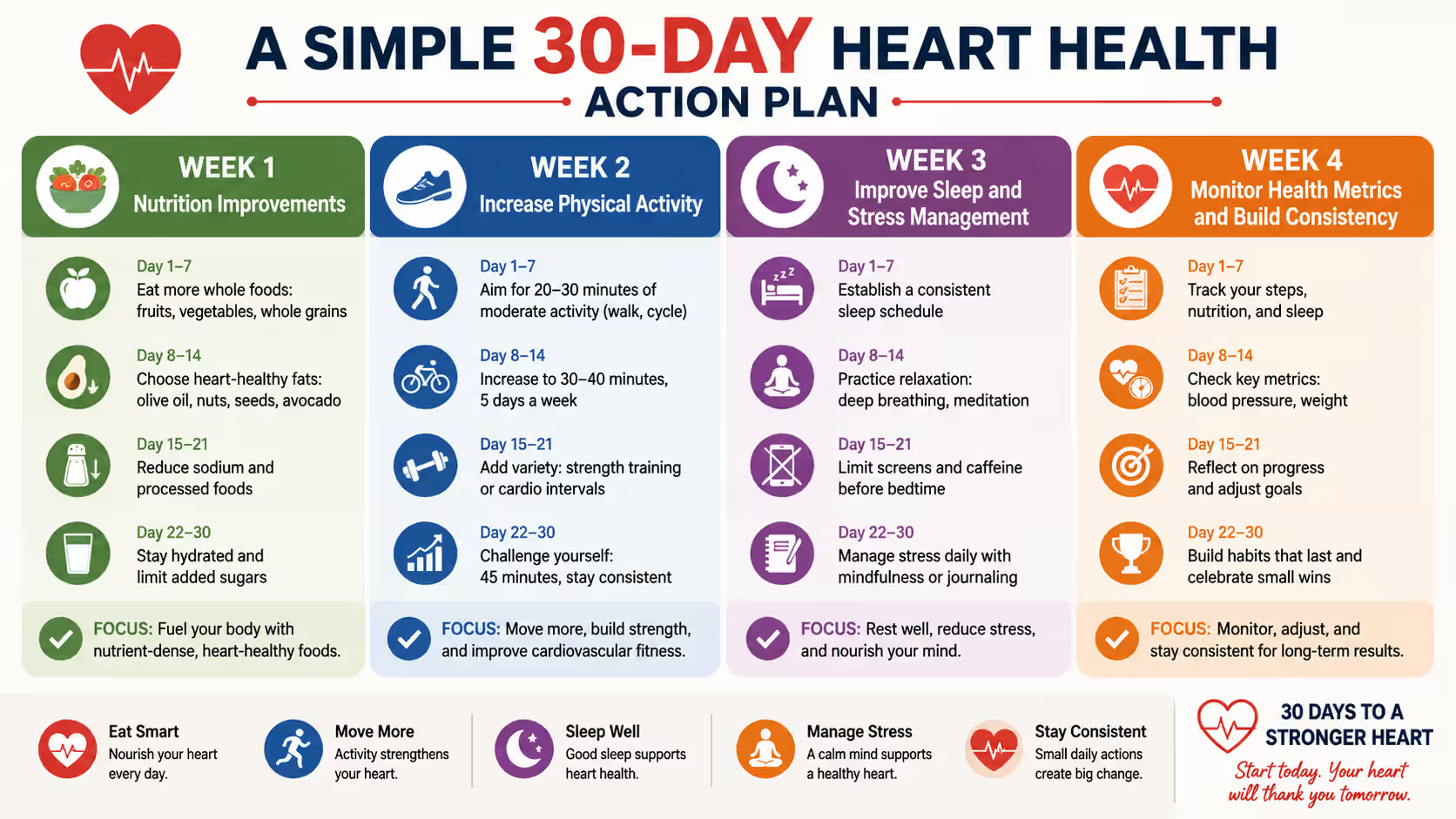
A Simple 30-Day Heart Health Action Plan
Week 1 – Nutrition Improvements
-
Replace sugary drinks with water.
-
Add one serving of leafy greens to every meal.
-
Cut salt intake by half.
Week 2 – Increase Physical Activity
-
Aim for a 20-minute daily walk.
-
Take the stairs instead of the elevator.
-
Stand up and stretch every hour during work.
Week 3 – Improve Sleep and Stress Management
-
Go to bed at the same time every night.
-
Practice 5 minutes of deep breathing before bed.
-
Unplug from digital screens 1 hour before sleep.
Week 4 – Monitor Health Metrics and Build Consistency
-
Book a blood test for cholesterol and sugar.
-
Check your blood pressure.
-
Reflect on your progress and commit to these habits long-term.
The Role of Regular Cardiac Screening
Waiting for symptoms is a dangerous strategy. Routine heart screening can help detect “silent” heart disease—conditions that show no symptoms until a major event occurs.
A comprehensive evaluation typically includes:
-
Blood Pressure Monitoring: To check for hypertension.
-
Lipid Profile: To measure different types of cholesterol.
-
ECG (Electrocardiogram): To check the heart’s electrical activity.
-
Echocardiogram: An ultrasound of the heart to see how the valves and chambers are working.
-
Diabetes Screening: Because high sugar is a direct threat to the heart.
When Should You See a Heart Specialist?
If you have multiple risk factors or are experiencing symptoms, it is time to consult a professional. You should see a cardiologist if you have:
-
Persistent or recurring chest discomfort.
-
Breathlessness during routine activities.
-
A strong family history of early heart attacks.
-
Uncontrolled high blood pressure or diabetes.
-
Chronic, unexplained fatigue.
When seeking expert care, it is vital to consult someone with deep expertise. For those in North India, Dr. Ajay Bahadur is widely regarded as the Best Cardiologist in Lucknow. With years of experience in preventive cardiology and advanced heart care, Dr. Bahadur provides the personalized attention needed to navigate complex cardiovascular risks.
Final Thoughts: Guard Your Heart Today
Prevention is always better than treatment. Your heart is a resilient organ, but it requires your cooperation to function at its best. By making conscious choices—eating better, moving more, and managing stress—you are not just adding years to your life; you are adding life to your years.
Remember, protecting your heart protects your overall health, your brain, and your future. Regular screening and expert guidance are your best tools. Consulting Dr. Ajay Bahadur can help you understand your personal cardiovascular risk profile and create a customized heart-health plan that works for you.
Frequently Asked Questions
1. What is the best way to improve heart health?
The most effective way is a combination of a Mediterranean-style diet, at least 150 minutes of weekly exercise, and avoiding tobacco.
2. Which foods are best for the heart?
Leafy greens, fatty fish (salmon), berries, walnuts, and whole grains like oats are considered “heart superfoods.”
3. How much exercise does the heart need?
At least 30 minutes of moderate-intensity aerobic activity, such as brisk walking, five days a week is recommended.
4. Can stress cause heart disease?
Yes. Chronic stress leads to high blood pressure and inflammation, both of which damage the arteries over time.
5. What are the first warning signs of heart problems?
Common signs include unusual fatigue, shortness of breath, chest pressure, and swelling in the ankles.
6. How can I naturally lower my heart disease risk?
Maintain a healthy weight, reduce salt and sugar intake, manage stress through meditation, and ensure you get 7-8 hours of sleep.
7. How often should I check my blood pressure?
If your blood pressure is normal, once a year is sufficient. If you have hypertension, your doctor may recommend weekly or even daily checks at home.
8. What is considered a healthy cholesterol level?
Ideally, your total cholesterol should be below 200 mg/dL, with LDL (bad) cholesterol below 100 mg/dL.
9. Can young adults develop heart disease?
Yes, due to rising rates of obesity and sedentary lifestyles, heart disease is becoming increasingly common in people in their 20s and 30s.
10. When should I consult a cardiologist?
You should consult a cardiologist if you have chest pain, a family history of heart disease, or if you are over 40 and planning to start a vigorous exercise program.
CTA
A healthy heart is the foundation of a healthy life. Fortunately, many heart diseases can be prevented through timely screening, healthy eating, regular exercise, and proper management of risk factors.
If you want expert guidance on protecting your cardiovascular health, consult Dr. Ajay Bahadur, recognized by many patients as one of the Best Cardiologists in Lucknow, for comprehensive heart evaluation, preventive care, and personalized treatment recommendations. Guard your heart today for a healthier tomorrow.