
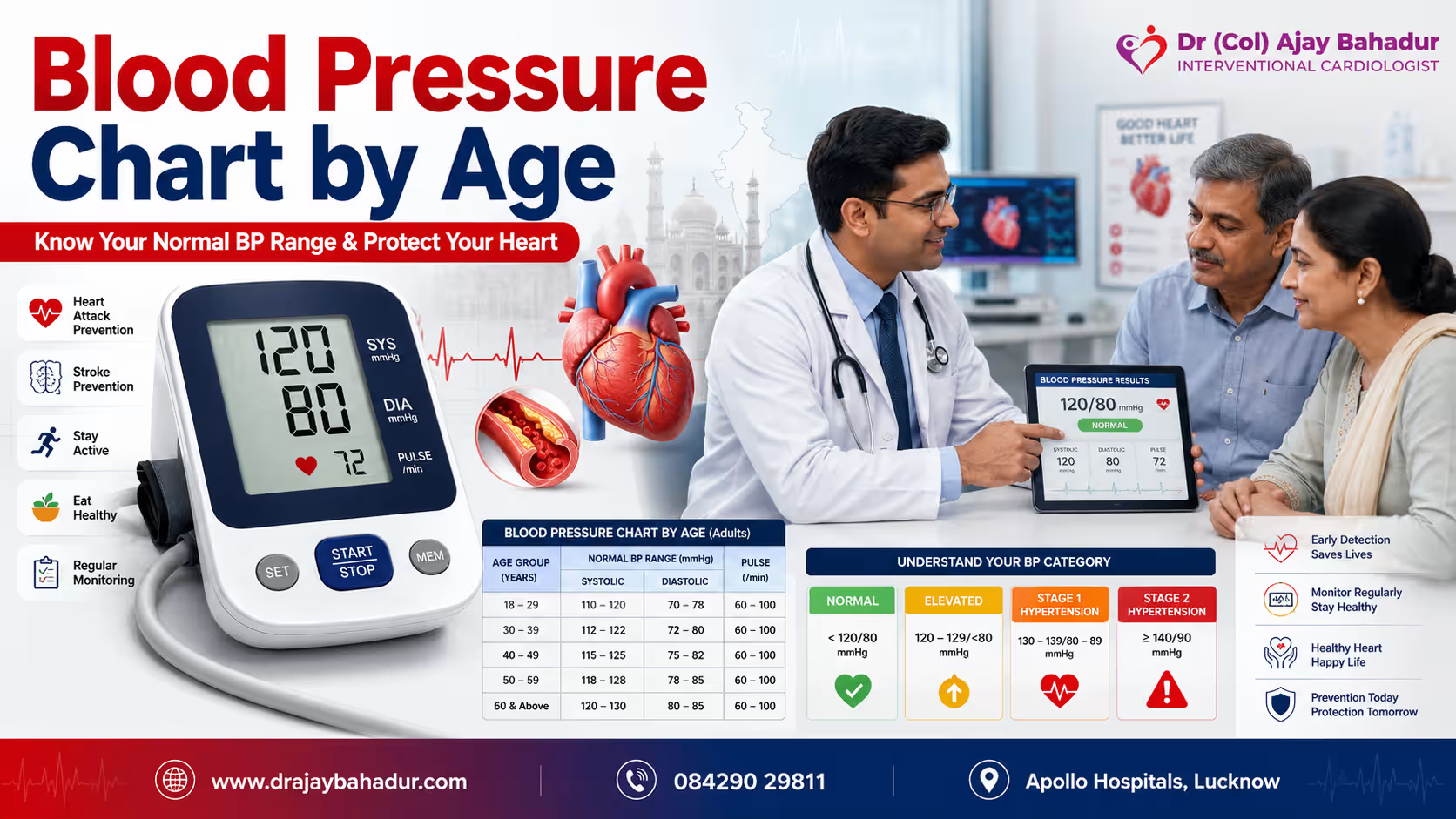
Normal blood pressure for most adults is below 120/80 mmHg. While blood pressure tends to rise with age due to arterial changes, modern medical guidelines recommend maintaining a target below 130/80 mmHg to prevent heart disease and stroke.
Introduction
In the landscape of modern Indian health, hypertension has become a silent epidemic. Statistics suggest that nearly one in four adults in India suffers from high blood pressure, yet a vast majority remain undiagnosed. Often referred to as the “silent killer,” hypertension quietly damages the heart, kidneys, and brain without presenting obvious symptoms until a crisis occurs.
Understanding your blood pressure numbers is the cornerstone of cardiovascular health. While many people believe that “higher pressure is normal for older people,” modern medical science suggests otherwise. Maintaining healthy levels is crucial at every stage of life. To help patients navigate these complexities, experts like Dr. Ajay Bahadur, recognized as a Best Cardiologist in Lucknow, emphasize that early detection through regular monitoring is the most effective way to prevent long-term heart damage.
This guide provides a comprehensive blood pressure chart by age, explains the nuances of Indian lifestyle factors, and offers actionable advice on maintaining a healthy heart.
What Do Blood Pressure Numbers Mean?
When you measure your blood pressure, the device provides two distinct numbers. To manage your health effectively, you must understand what each one signifies.
1. Systolic Blood Pressure (The Top Number)
This represents the pressure in your arteries when your heart muscle contracts and pumps oxygen-rich blood into your system. It is the peak pressure exerted against arterial walls.
2. Diastolic Blood Pressure (The Bottom Number)
This measures the pressure in your arteries when your heart is at rest between beats. This “downtime” is essential because it is when the heart itself receives blood and oxygen through the coronary arteries.
Why Both Numbers Matter
Historically, doctors focused heavily on systolic pressure as a risk factor for heart disease. However, modern research shows that an elevated diastolic reading is also a significant predictor of cardiovascular events, especially in younger adults. Think of your blood vessels as a plumbing system; if the baseline pressure (diastolic) is always high, the pipes never get a chance to recover from the “pump” (systolic) surges.
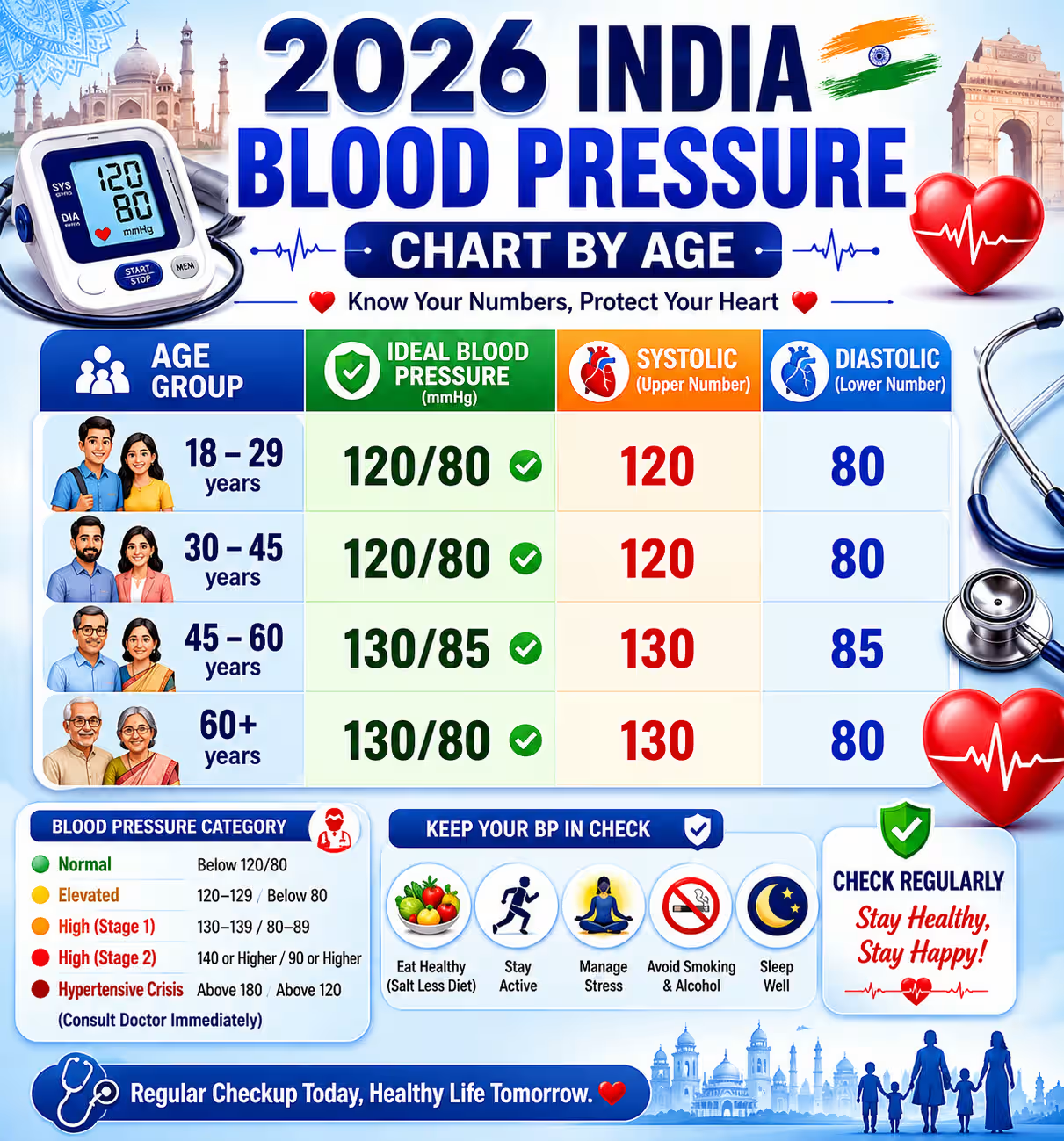
What Is Considered Normal Blood Pressure? (Modern Guidelines)
Medical guidelines have evolved significantly over the last decade. Organizations like the Indian Hypertension Control Initiative (IHCI) and the American Heart Association (AHA) have lowered the threshold for what is considered “high” to encourage earlier intervention.
-
Normal: Less than 120/80 mmHg.
-
Elevated: Systolic between 120–129 AND diastolic less than 80.
-
Hypertension Stage 1: Systolic 130–139 OR diastolic 80–89.
-
Hypertension Stage 2: Systolic 140 or higher OR diastolic 90 or higher.
-
Hypertensive Crisis: Systolic higher than 180 AND/OR diastolic higher than 120. (Requires immediate emergency medical attention).
Blood Pressure Chart by Age for Indians
While it is true that physiological changes—such as the stiffening of arteries—cause blood pressure to rise as we age, higher numbers should not be accepted as “healthy.”
The following chart outlines the average readings seen in the population versus the healthy target recommended by cardiologists.
| Age Group | Average Population Reading (mmHg) | Recommended Healthy Target (mmHg) |
| 18–29 Years | 115/75 | Below 120/80 |
| 30–39 Years | 120/80 | Below 120/80 |
| 40–49 Years | 125/83 | Below 130/80 |
| 50–59 Years | 128/85 | Below 130/80 |
| 60+ Years | 135/88 | Below 130/80* |
*Note: For some elderly patients (80+), a doctor may allow a slightly higher systolic target (e.g., 140/90) to prevent dizziness or falls, but for most adults, the goal remains 130/80 or lower. Always follow the personalized plan provided by your specialist.
Why Does Blood Pressure Increase with Age?
As we move through different stages of life, our cardiovascular system undergoes several changes:
-
Arterial Stiffness: With age, the elastic fibers in our blood vessels are replaced by stiffer collagen. This makes it harder for vessels to expand and contract.
-
Sensitivity to Salt: Older adults often become more sensitive to sodium, meaning a salty meal causes a more significant spike in BP than it would have in their 20s.
-
Vascular Resistance: The small blood vessels (arterioles) may become more resistant to blood flow, forcing the heart to pump harder.
-
Comorbidities: Conditions like diabetes, high cholesterol, and declining kidney function—which become more common with age—directly impact blood pressure regulation.
Blood Pressure Differences in Men and Women
Gender plays a pivotal role in the progression of hypertension:
-
Pre-Menopause: Women generally have lower blood pressure than men, likely due to the protective effects of estrogen.
-
Post-Menopause: After menopause, the risk for women increases sharply, often surpassing that of men of the same age.
-
Pregnancy: Conditions like Gestational Hypertension and Preeclampsia require rigorous monitoring, as they can indicate a higher risk of chronic hypertension later in life.
-
Men: Tend to develop hypertension earlier in life, often linked to higher rates of smoking and occupational stress in the Indian context.
Common Causes of High Blood Pressure in Indians
The Indian population faces a unique set of risk factors that contribute to the high prevalence of hypertension:
-
Excessive Sodium Intake: The average Indian diet includes high amounts of salt found in pickles (achaar), papads, chutneys, and street food.
-
The “Asian Phenotype”: Indians are prone to “Normal-Weight Obesity,” where a person has a normal BMI but high levels of visceral (belly) fat, which is metabolically active and raises BP.
-
Diabetes Epidemic: Insulin resistance is closely linked to vessel damage and hypertension.
-
Sedentary Lifestyle: Rapid urbanization has replaced physical labor with desk jobs and long commutes.
-
Genetic Predisposition: South Asians have a statistically higher genetic risk for cardiovascular complications.
Early Symptoms of High Blood Pressure You Should Not Ignore
Most people with high blood pressure feel perfectly fine. However, if your BP reaches severe levels, you may notice:
-
Morning Headaches: Pain specifically at the back of the head upon waking.
-
Vision Changes: Sudden blurring or “spots” in your vision.
-
Shortness of Breath: Finding it difficult to breathe during light activities like climbing stairs.
-
Palpitations: A feeling that your heart is racing or skipping a beat.
-
Epistaxis (Nosebleeds): While rare, sudden nosebleeds can sometimes be triggered by a BP spike.
Warning: Do not wait for symptoms. Regular screening is the only way to know your status.
Step-by-Step Guide to Checking Blood Pressure Correctly at Home
Inaccurate home readings can lead to unnecessary medication changes. Follow these clinical steps:
-
Step 1: Proper Preparation: Avoid caffeine, exercise, and smoking for 30 minutes before the test. Empty your bladder.
-
Step 2: Correct Posture: Sit in a chair with your back straight and supported. Keep your feet flat on the floor—do not cross your legs.
-
Step 3: Arm Position: Support your arm on a flat surface (like a table) so the cuff is at the same level as your heart.
-
Step 4: Silence: Do not talk or look at your phone during the measurement.
-
Step 5: Multiple Readings: Take two readings one minute apart and record the average.
Blood Pressure Chart: When Should You Be Concerned?
Use this quick-reference table to guide your next steps.
| BP Reading (mmHg) | Category | Recommended Action |
| Below 120/80 | Normal | Annual screening; keep up the healthy habits. |
| 120–129 / <80 | Elevated | Lifestyle modifications (Diet/Exercise). |
| 130–139 / 80–89 | Stage 1 Hypertension | Consult a cardiologist; assess overall heart risk. |
| 140+ / 90+ | Stage 2 Hypertension | Medical intervention and lifestyle changes are required. |
| 180+ / 120+ | Hypertensive Crisis | Emergency! Seek immediate medical care. |
How High Blood Pressure Affects Your Heart
Hypertension is a systemic disease. It doesn’t just stay in the arteries; it destroys organs:
-
Left Ventricular Hypertrophy (LVH): The heart muscle thickens to pump against the high pressure, making it less efficient and leading to heart failure.
-
Aneurysms: Constant pressure can cause a section of an artery wall to bulge and potentially burst.
-
Kidney Failure: High BP damages the small vessels in the kidneys, hindering their ability to filter waste.
-
Vascular Dementia: Reduced blood flow to the brain can lead to cognitive decline and memory loss.
10 Effective Ways to Maintain Healthy Blood Pressure
-
The DASH Diet: “Dietary Approaches to Stop Hypertension.” Focus on potassium-rich foods like bananas, spinach, and coconut water.
-
30 Minutes of Movement: Brisk walking, swimming, or cycling five days a week.
-
Salt Substitution: Use spices, lemon, and herbs instead of salt to flavor food.
-
Weight Loss: Even a 2–3 kg reduction can lower systolic BP by several points.
-
Stress Management: Meditation, deep breathing, and adequate leisure time.
-
Limit Alcohol: Alcohol acts as a vasoconstrictor, raising blood pressure instantly.
-
Quit Tobacco: Smoking causes immediate, temporary spikes and long-term arterial damage.
-
Monitor at Home: Keep a digital log of your readings.
-
Potassium Intake: Potassium helps the body flush out sodium (check with a doctor if you have kidney issues).
-
Consistent Medication: If prescribed, never skip a dose, even if you “feel fine.”

Blood Pressure and Heart Disease in India
The burden of heart disease in India is unique because it often strikes a decade earlier than in Western populations. Factors like high-stress urban living and a genetic propensity for high triglycerides make the blood pressure chart by age a critical tool for every Indian family. Early screening starting at age 20 is no longer a suggestion; it is a necessity for the modern Indian lifestyle.

Common Myths and Facts About Blood Pressure
-
Myth 1: “I’ll know when my BP is high because I’ll feel a headache.”
-
Fact: Hypertension is often asymptomatic. You can have dangerously high BP and feel great.
-
-
Myth 2: “Sea salt or pink Himalayan salt is better for BP.”
-
Fact: Chemically, they all contain sodium. Your body reacts to the sodium, regardless of the salt’s color or source.
-
-
Myth 3: “High BP is just a part of getting old.”
-
Fact: While it’s common, it isn’t healthy. Many people maintain 120/80 into their 80s through strict lifestyle management.
-
-
Myth 4: “I can stop my medicine once my BP is 120/80.”
-
Fact: Your BP is 120/80 because of the medicine. Stopping it can cause a dangerous “rebound” spike.
-
-
Myth 5: “Hypertension only affects ‘high-strung’ or nervous people.”
-
Fact: Calm, relaxed individuals can also have high blood pressure due to genetics or diet.
-
When Should You Consult a Cardiologist?
Managing blood pressure is not a DIY project. Professional guidance is necessary to prevent complications. You should consult a specialist if:
-
Your home readings are consistently above 130/80 mmHg.
-
You have a family history of stroke or heart attack.
-
You are experiencing chest tightness or unusual fatigue.
-
You are pregnant and notice a rise in your readings.
For those seeking expert care, consulting Dr. Ajay Bahadur can help you develop a personalized strategy to manage your levels and protect your long-term cardiovascular health.
Final Thoughts
Maintaining a healthy blood pressure is a lifelong commitment. While the blood pressure chart by age provides a general framework, your personal health history and lifestyle play the biggest roles in determining your target. By reducing salt, staying active, and monitoring your numbers, you can significantly lower your risk of heart disease.
FAQs – Blood Pressure Chart by Age
1. What is a normal blood pressure reading for adults?
For most adults, a reading below 120/80 mmHg is considered the healthy gold standard.
2. Does blood pressure increase with age?
Yes, arteries naturally lose elasticity over time, which often leads to higher readings, but the goal remains to keep it under 130/80.
3. What is considered high blood pressure?
Stage 1 Hypertension begins at 130/80 mmHg, while Stage 2 is 140/90 mmHg or higher.
4. What is the ideal BP for a 60-year-old?
While many 60-year-olds have higher readings, the medical recommendation is still to aim for below 130/80 mmHg to minimize the risk of stroke.
5. How often should I check my blood pressure?
Suppose your BP is normal, once every six months. If you have hypertension, your doctor may suggest checking it weekly or daily.
6. Can stress increase blood pressure?
Yes, acute stress causes temporary spikes. Chronic stress can contribute to long-term hypertension through hormonal changes and poor coping habits.
7. What foods help lower blood pressure naturally?
Leafy greens, berries, fatty fish (omega-3s), garlic, and pomegranate juice have been shown to support healthy BP.
8. Is hypertension common in India?
Yes, it is highly prevalent, affecting roughly 25-30% of the urban population and increasingly the rural population.
9. Can high blood pressure cause a heart attack?
Yes, it is a leading cause of coronary artery disease, which leads to heart attacks.
10. When should I see a cardiologist for high blood pressure?
See a specialist if your readings remain high despite lifestyle changes or if you have other risk factors like diabetes.
CTA
High blood pressure often develops silently but can lead to serious health problems if left unmanaged. Understanding your BP numbers and adopting healthy habits are essential steps toward protecting your heart.
For expert evaluation, hypertension management, and personalized heart care, consult Dr. Ajay Bahadur, a trusted Best Cardiologist in Lucknow, and take proactive steps toward better cardiovascular health. Reach out today to schedule your comprehensive heart health screening.