
Junk Food Is Damaging Your Heart Faster Than You Think
In the modern age of convenience, the glowing neon sign of a fast-food drive-thru is often more enticing than a home-cooked meal. Whether it’s a quick burger between meetings or a late-night pizza delivery, fast food has become a global staple. However, as a specialist in preventive cardiology, I see the aftermath of these choices every day.
The reality is stark: our convenience culture is fueling a cardiovascular crisis. We are no longer just seeing heart disease in the elderly; we are seeing it in 20 and 30-year-olds who have grown up in a world of ultra-processed convenience. Fast food is damaging your heart faster than you think, often working silently for years before the first symptom appears.
Introduction: The Hidden Price of Convenience
The shift in our dietary habits over the last three decades has been dramatic. What used to be an occasional “treat” is now a daily necessity for many. This dependence is driven by busy lifestyles, high-stress environments, and the sheer accessibility of processed meals.
When people think of heart disease, they often think of it as a distant problem—something that happens in the “future.” But every high-sodium, trans-fat-heavy meal acts as a microscopic brick in the wall of arterial plaque. As a heart doctor in Lucknow, I frequently consult with patients who are surprised to find they have high blood pressure or early-stage atherosclerosis despite being in their prime years.
The misconception is that if you “look” fit or aren’t significantly overweight, your heart is fine. In reality, “skinny fat” individuals who consume high amounts of junk food can have internal fat deposits (visceral fat) that are just as dangerous as visible obesity.
What Happens to Your Body After Eating Fast Food?
To understand the long-term damage, we must first look at the immediate impact. Within just 60 to 90 minutes of finishing a typical fast-food meal—let’s say a double cheeseburger, large fries, and a soda—your body undergoes a series of stressful biological events.
1. The Sudden Sugar and Refined Carb Spike
Fast-food buns, condiments, and sodas are loaded with refined carbohydrates and added sugars. This causes a massive spike in blood glucose. In response, your pancreas pumps out a surge of insulin. Over time, these frequent spikes lead to insulin resistance, a primary driver of metabolic syndrome and heart disease.
2. The Sodium Surge
A single fast-food meal can contain more than the total daily recommended limit of sodium (2,300mg). Excess salt causes your body to retain water, which immediately increases blood volume. This puts sudden, intense pressure on your blood vessels and makes your heart work harder to pump blood.
3. Endothelial Dysfunction (Vessel Stress)
High levels of unhealthy fats entering the bloodstream can cause immediate inflammation in the endothelium—the thin lining of your blood vessels. This lining is responsible for regulating blood pressure. When it becomes “stressed” by a greasy meal, your arteries lose some of their ability to dilate, making them stiffer for several hours.
4. The Inflammatory Response
The highly processed oils used in frying (often reused multiple times) contain oxidative compounds. These trigger the body’s immune system, leading to a temporary state of systemic inflammation. While one meal won’t kill you, a pattern of these meals keeps your body in a constant state of “fire,” which is the root cause of plaque buildup.
Why Fast Food Is Dangerous for Heart Health
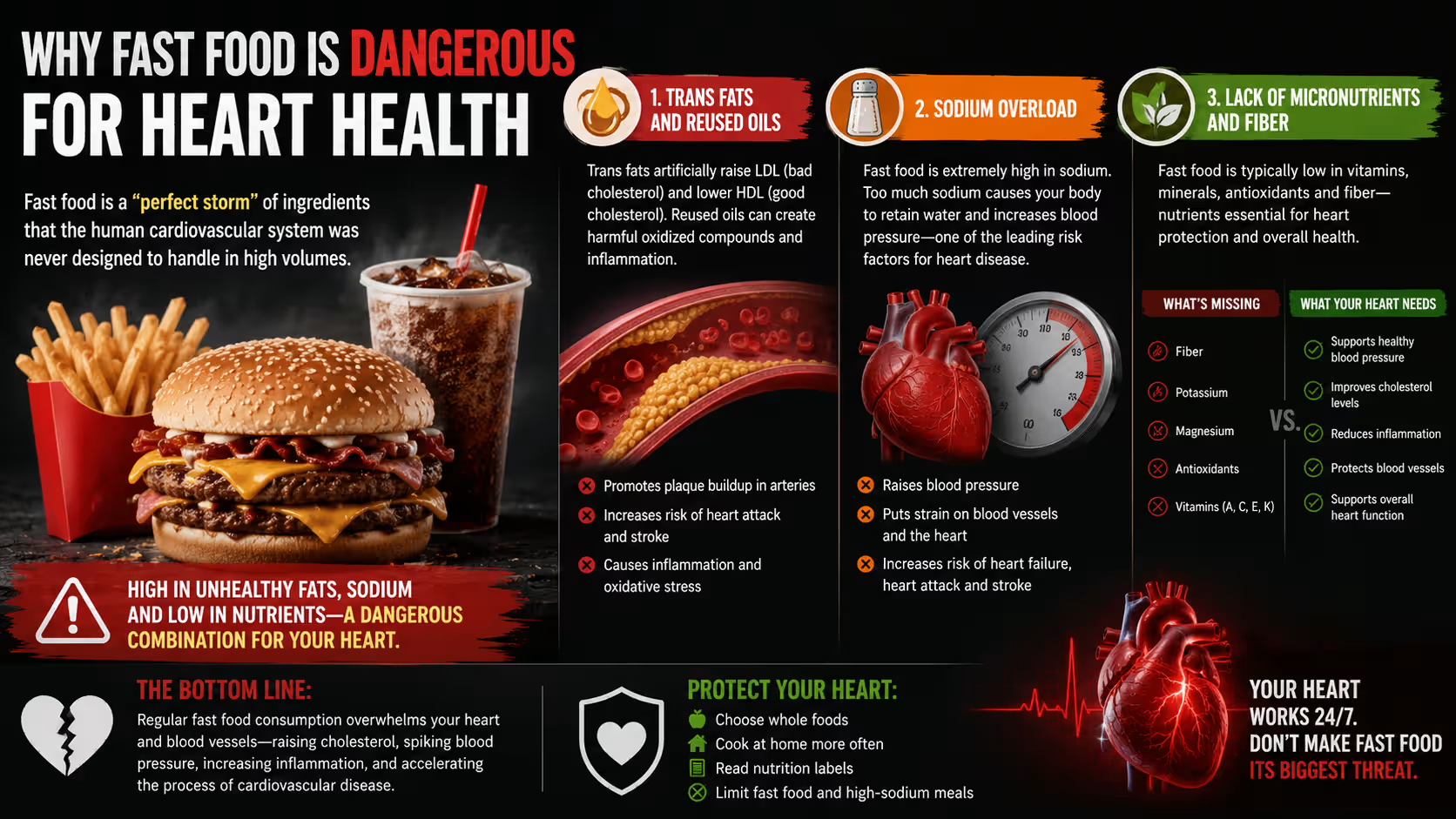
Fast food is a “perfect storm” of ingredients that the human cardiovascular system was never designed to handle in high volumes. Let’s break down the primary culprits.
Trans Fats and Reused Oils
While many regions have banned artificial trans fats, many fast-food outlets still use oils that behave similarly when heated to extreme temperatures. These fats are notorious for raising LDL (bad cholesterol) and lowering HDL (good cholesterol). This imbalance is the fastest way to develop “clogged” arteries.
Sodium Overload
Salt is the most common preservative in the food industry. It’s not just in the fries; it’s in the bread, the processed cheese, and the seasoned meat. Chronic high sodium intake is the leading cause of hypertension (high blood pressure), which is often called the “silent killer” because it damages the heart without any outward signs.
Hidden Sugars
You might think a burger is savory, but the buns and sauces (ketchup, “special” sauces) are often packed with High Fructose Corn Syrup (HFCS). Excessive sugar intake increases the production of triglycerides in the liver, which contributes to the hardening of the arteries.
Lack of Micronutrients and Fiber
Fast food is “calorically dense” but “nutritionally bankrupt.” It lacks the fiber, potassium, and antioxidants found in whole foods. Fiber is essential because it helps “scrub” excess cholesterol from the digestive system before it enters the blood. Without it, your heart loses its natural defense mechanism.
Fast Food vs. Healthy Food (Heart Health Comparison Chart)
| Fast Food Habit | Impact on the Heart | Healthier Alternative |
| Deep-fried foods (Fries/Chicken) | Raises LDL (bad) cholesterol & causes inflammation | Grilled, baked, or air-fried proteins |
| Sugary sodas & shakes | Increases triglycerides and visceral (belly) fat | Infused water, herbal tea, or fresh lime |
| Processed burgers/Deli meats | High sodium, nitrates, and saturated fats | Homemade lean patties or plant-based proteins |
| Packaged snacks/Biscuits | Artery inflammation via trans fats | Raw nuts, seeds, or fresh seasonal fruits |
| Frequent takeout/Food apps | Rapid weight gain & metabolic syndrome | Balanced home-cooked meals with fiber |
Note: The cumulative effect of choosing the “Healthier Alternative” just 80% of the time can reduce your cardiovascular risk by more than half over a decade.
How Fast Food Raises Cholesterol and Blood Pressure
To understand how junk food damages the heart, we have to look at the plumbing of the body. Your heart is a pump, and your arteries are the pipes.
LDL vs. HDL: The Cholesterol War
Cholesterol isn’t inherently “bad”—your body needs it to build cells. However, the saturated and trans fats in fast food increase Low-Density Lipoprotein (LDL). LDL carries cholesterol to your arteries. If there is too much, it gets stuck to the walls.
High-Density Lipoprotein (HDL) acts as a scavenger, taking LDL back to the liver to be broken down. Fast food essentially increases the “trash” (LDL) and decreases the “trash collectors” (HDL).
Plaque Buildup (Atherosclerosis)
When LDL cholesterol gets stuck in the artery walls, it oxidizes and triggers an immune response. White blood cells try to “eat” the cholesterol, eventually forming “foam cells.” This creates a fatty streak that hardens into plaque. Over years of eating junk food, these plaques narrow the arteries, restricting blood flow to the heart.
The Sodium-Hypertension Connection
When you consume excess salt, your kidneys cannot filter it fast enough. Salt attracts water. This extra water increases the total volume of blood in your system. Imagine trying to force a huge amount of water through a narrow garden hose—the pressure on the walls of the hose increases. In your body, this chronic high pressure scars the arteries, making them more likely to trap cholesterol.
Obesity, Belly Fat & Heart Attack Risk
Fast food is engineered to be “hyper-palatable,” meaning it overrides your brain’s fullness signals. This leads to overeating and, eventually, obesity. However, not all fat is created equal.
The Danger of Visceral Fat
Fast food consumption is strongly linked to visceral fat—the fat stored deep in the abdominal cavity, surrounding your internal organs. Unlike subcutaneous fat (the fat you can pinch), visceral fat is metabolically active. It secretes inflammatory cytokines that directly damage the heart and interfere with insulin.
Metabolic Syndrome
Many people who frequently eat fast food develop “Metabolic Syndrome,” a cluster of conditions including:
-
Large waist circumference
-
High blood pressure
-
High blood sugar
-
High triglycerides
Having metabolic syndrome increases your risk of a heart attack or stroke by five times. As the best cardiologist in Lucknow, I often tell my patients that their waistline is one of the most accurate predictors of their future heart health.
Signs Your Diet May Already Be Affecting Your Heart
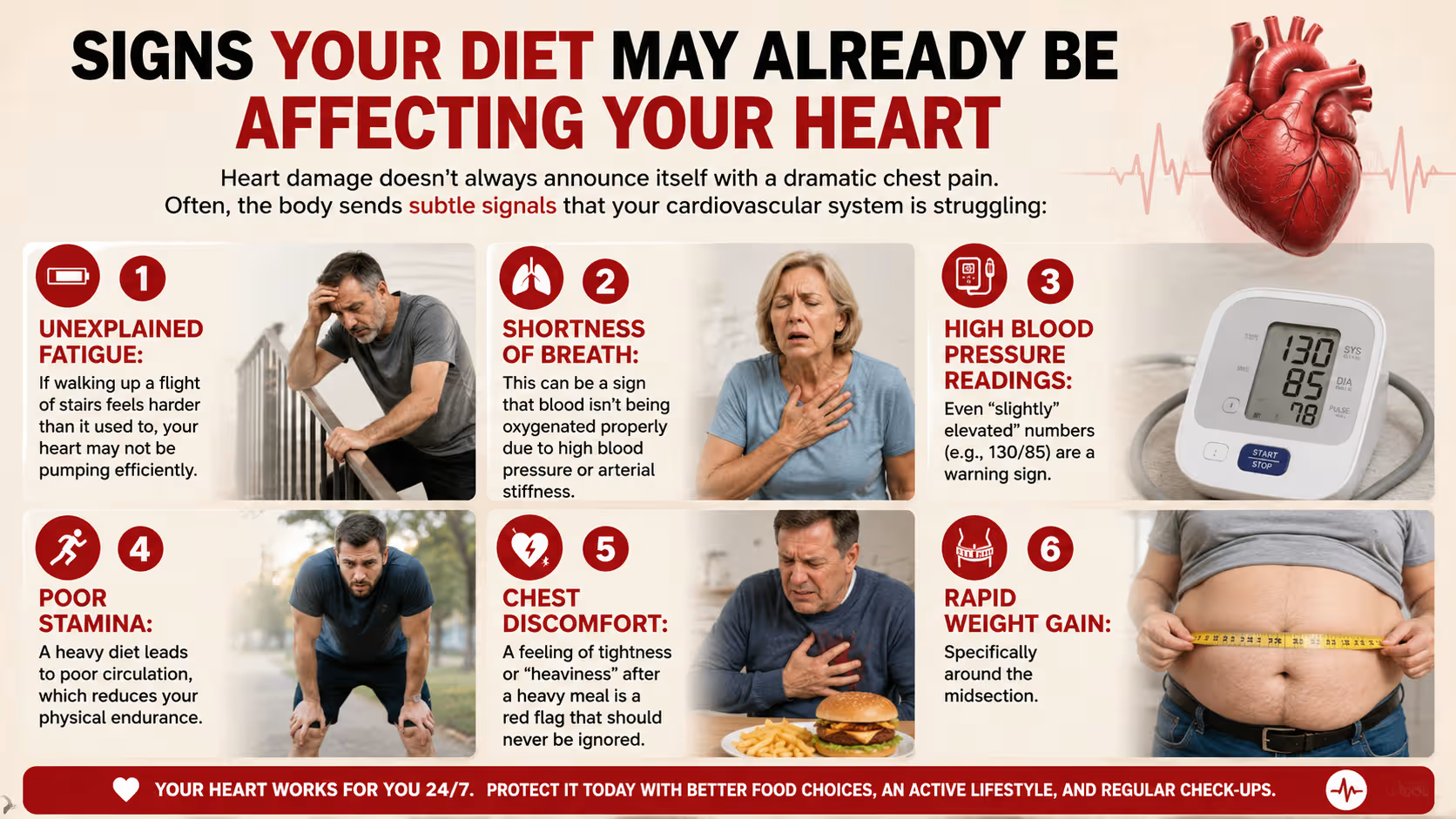
Heart damage doesn’t always announce itself with a dramatic chest pain. Often, the body sends subtle signals that your cardiovascular system is struggling:
-
Unexplained Fatigue: If walking up a flight of stairs feels harder than it used to, your heart may not be pumping efficiently.
-
Shortness of Breath: This can be a sign that blood isn’t being oxygenated properly due to high blood pressure or arterial stiffness.
-
High Blood Pressure Readings: Even “slightly elevated” numbers (e.g., 130/85) are a warning sign.
-
Poor Stamina: A heavy diet leads to poor circulation, which reduces your physical endurance.
-
Chest Discomfort: A feeling of tightness or “heaviness” after a heavy meal is a red flag that should never be ignored.
-
Rapid Weight Gain: Specifically around the midsection.
Why Young People Are Facing More Heart Problems Today
Thirty years ago, heart attacks were considered a “grandfather’s disease.” Today, the age of the average cardiac patient is dropping. Why?
-
Food Delivery Culture: Apps have made it possible to get high-calorie, low-nutrient food delivered to your door with zero physical effort.
-
Sedentary Lifestyles: We eat more calories while moving less. The combination of junk food and 8 hours of sitting is toxic for the heart.
-
Stress Eating: Modern work culture leads to high cortisol levels. Cortisol increases cravings for salty, fatty “comfort foods.”
-
Hidden Processing: Even foods marketed as “healthy” (like veggie burgers or protein bars) are often ultra-processed and loaded with sodium.
Step-by-Step Ways to Protect Your Heart From Junk Food
You don’t have to become a perfect eater overnight. Heart health is about consistency, not perfection.
-
Reduce Processed Foods Gradually: Start by replacing two fast-food meals a week with home-cooked options.
-
The “Water First” Rule: Drink 500ml of water before every meal. Often, we mistake thirst for hunger, and hydration helps the kidneys flush out excess sodium.
-
Increase Soluble Fiber: Eat oats, lentils, beans, and apples. Fiber binds to cholesterol in the gut and carries it out of the body.
-
Master the Label: Check the “Sodium” and “Trans Fat” sections on packaging. If a snack has more than 20% of your daily sodium, put it back.
-
Move for 30 Minutes: You don’t need a gym. A brisk walk helps lower blood pressure and improves your “good” HDL cholesterol.
-
Monitor Your Numbers: If you are over 25 and eat out frequently, get a yearly lipid profile and blood pressure check.
-
Prioritize Sleep: Lack of sleep increases cravings for junk food and raises heart rate and blood pressure.
Can Occasional Fast Food Still Be Safe?
Moderation is a term often misused, but in cardiology, it has a specific meaning. Eating a burger once a month is unlikely to cause a heart attack. However, “moderation” for many people actually means 3-4 times a week.
The Golden Rule: If your diet consists of 80-90% whole, single-ingredient foods (vegetables, fruits, lean proteins, whole grains), your body can generally handle the occasional indulgence. The danger arises when the “treat” becomes the “template” for your daily nutrition.
When you do eat fast food, try to make “better” bad choices:
-
Choose grilled chicken over fried.
-
Skip the soda and fries; opt for a salad or water.
-
Ask for sauces on the side to control sodium and sugar intake.
Final Thoughts: Prevention is Better Than a Cure
Heart disease is unique because it is largely preventable, yet it remains the leading cause of death globally. The damage caused by fast food happens in the shadows—inside your arteries, one meal at a time.
Choosing a salad over a burger or water over a soda isn’t just a “diet” choice; it is a medical decision. Your heart is the hardest-working muscle in your body, and it deserves better fuel than processed oils and excess salt. By making small, sustainable changes today, you can ensure your heart stays strong for decades to come.
Real-Life Example: The “Convenience” Trap
Consider “Rahul,” a 34-year-old software engineer in Lucknow. Busy with long shifts, he relied on food apps for lunch and dinner. He wasn’t “obese,” but his blood pressure was consistently 145/95. After experiencing mild chest tightness, he consulted a heart doctor in Lucknow. The diagnosis? Early-stage plaque buildup. By simply cutting out takeout and walking 30 minutes daily, Rahul lowered his blood pressure and cholesterol within six months—without heavy medication.
FAQs Section
1. Does fast food increase heart attack risk?
Yes. Regular consumption of fast food increases LDL (bad) cholesterol, raises blood pressure, and promotes obesity—all of which are major risk factors for heart attacks. The high levels of trans fats and sodium contribute to arterial clogging over time.
2. How does junk food affect the heart?
Junk food causes systemic inflammation and damages the lining of the blood vessels (endothelium). The high salt content leads to hypertension, while refined sugars and fats cause plaque buildup in the arteries, making it harder for the heart to pump blood.
3. Can fast food cause high blood pressure?
Absolutely. Most fast food is extremely high in sodium. Excess sodium causes the body to retain fluids, increasing blood volume and putting direct pressure on the artery walls, leading to chronic hypertension.
4. Is eating fast food once a week harmful?
For a generally healthy person with an active lifestyle, one meal may not be significantly harmful. However, if that meal is part of a sedentary lifestyle or if the person already has underlying risks (like family history), even weekly consumption can contribute to long-term damage.
5. What foods are worst for heart health?
The worst offenders are deep-fried foods (trans fats), sugary sodas (triglycerides), processed meats like pepperoni and sausages (nitrates and high sodium), and commercially baked goods (saturated fats).
6. Can cholesterol improve after stopping junk food?
Yes. The body is remarkably resilient. By switching to a diet high in fiber, healthy fats (like omega-3s), and whole foods, many people see a significant drop in their LDL cholesterol levels within 3 to 6 months.
7. Why are young people getting heart disease?
The rise in heart disease among youth is linked to the “app culture” of easy food delivery, increased screen time leading to sedentary habits, high stress levels, and a diet dominated by ultra-processed snacks and sugary drinks.
Consult an Expert
👉 Your daily food choices can silently impact your heart health for years before symptoms appear. Early lifestyle changes, healthy eating habits, and regular heart checkups can significantly reduce the risk of serious cardiovascular disease.
If you are concerned about your diet or have symptoms like fatigue and high blood pressure, consult Dr. Ajay Bahadur, a trusted Heart doctor in Lucknow and the cardiologist in Lucknow, for expert guidance on preventive heart care and cardiovascular health management. Taking a step today can save your heart tomorrow.