
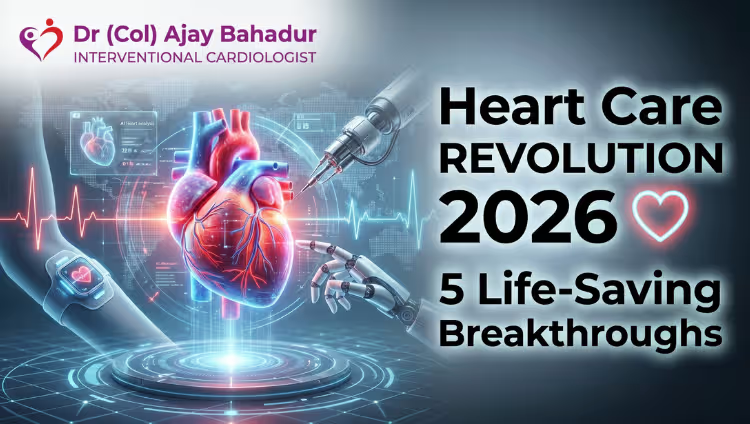
In 2026, heart health is being transformed by 5 Modern Heart Care Technology 2026: AI-powered early detection, minimally invasive robotic surgeries, advanced wearable monitors, personalized genetic treatments, and next-generation survival medications. These innovations save lives by identifying risks before symptoms appear, reducing recovery times from months to days, and providing 24/7 heart surveillance for patients.
Hello, I am Dr Ajay Bahadur. Over 35 years of practicing medicine, I have seen heart care evolve tremendously. However, the leap we have taken as we move through 2026 is unlike anything I have seen before. As a heart doctor in Lucknow, my goal has always been to combine the latest technology with a personal touch to ensure my patients live long, healthy lives.
In this guide, I will walk you through the most exciting breakthroughs in cardiology this year. These aren’t just “cool gadgets”—they are life-saving tools that are helping us beat heart disease more effectively than ever before.
Why Heart Health Is Changing Fast in 2026
For a long time, heart care was “reactive.” This means doctors usually wait for a patient to feel chest pain or have a heart attack before starting intensive treatment. But in 2026, the focus has shifted toward preventive care and precision medicine.
The Rise in Heart Challenges
Even with better technology, heart disease remains a leading cause of health issues globally. Lifestyle changes, stress, and environmental factors continue to affect our cardiac health. This is why staying updated on new treatments is vital.
A Shift Toward Technology
Today, the best heart care involves a “team-up” between the doctor’s experience and advanced technology. As the Best Cardiologist in Lucknow, I’ve observed that patients who embrace these new advances early have significantly better outcomes. We are no longer just treating the heart; we are predicting its future.
Advance #1 – AI-Based Early Heart Disease Detection

Artificial Intelligence (AI) is no longer a thing of science fiction. In 2026, AI is a cardiologist’s most trusted assistant.
How AI Helps Detect Problems Early
Standard tests like the ECG (a test that records the electrical signal from your heart) are great, but sometimes they miss very subtle patterns. AI algorithms can scan thousands of these tests in seconds, spotting tiny irregularities that a human eye might overlook.
For example, AI can now predict if a patient is at risk of a stroke or heart failure up to five years before it happens. It looks at your heart’s rhythm and structure and compares it to millions of other data points.
Real-Life Benefit
Imagine a patient who feels perfectly fine but has a “silent” heart condition. In the past, this might have gone unnoticed until a major event occurred. Today, an AI-enhanced screening at a clinic can alert us to start treatment immediately, preventing the crisis altogether.
Advance #2 – Minimally Invasive Heart Procedures
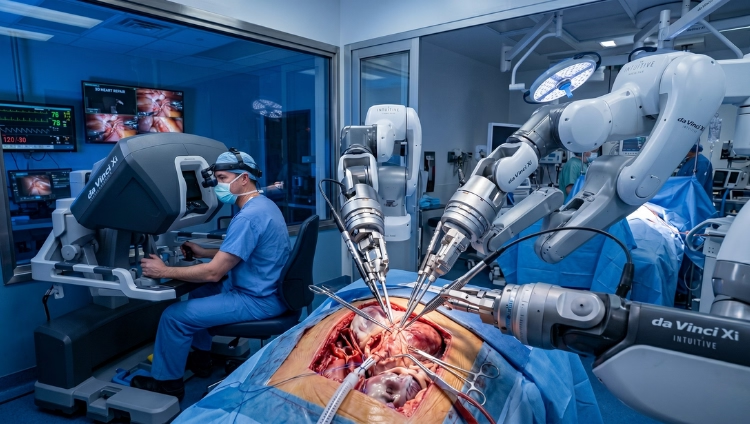
One of the biggest fears patients have is “open-heart surgery.” The idea of a large incision (cut) and a long recovery time is scary. Fortunately, in 2026, we are doing more “minimally invasive” procedures than ever.
Small Incisions, Big Results
“Minimally invasive” means we use tiny cuts, often no larger than a buttonhole. Through these small openings, we can use robotic arms and tiny cameras to repair heart valves or clear blocked arteries.
Why This Saves Lives:
-
Less Pain: Smaller cuts mean much less discomfort after the procedure.
-
Faster Recovery: Patients who used to stay in the hospital for two weeks are now going home in two or three days.
-
Lower Infection Risk: Smaller wounds heal faster and are less likely to get infected.
As a heart doctor in Lucknow, I’ve seen patients in their 70s and 80s recover from these procedures with remarkable speed, returning to their morning walks within a week.
Advance #3 – Wearable Devices for Continuous Heart Monitoring
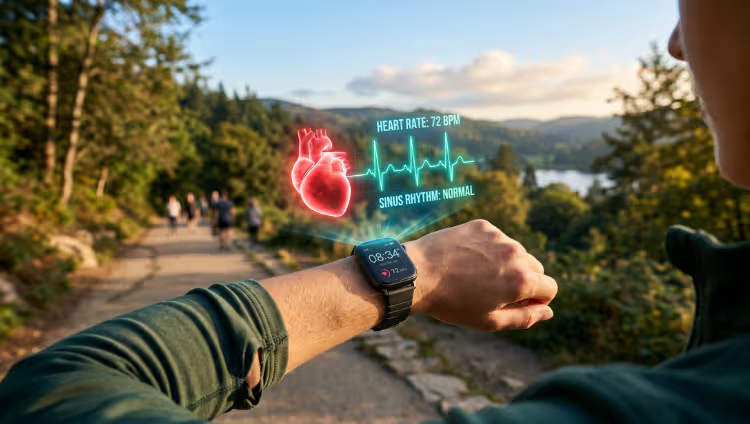
You might be wearing a smartwatch right now. In 2026, these devices have evolved from simple step-counters into medical-grade heart monitors.
Beyond Step Counting
Modern wearables can now detect Arrhythmia (irregular heartbeats) like Atrial Fibrillation (AFib) with incredible accuracy. They also monitor blood oxygen levels and even blood pressure without the need for an arm cuff.
Early Warning Alerts
The real magic happens with “Real-Time Alerts.” If your watch detects a dangerous heart rate spike while you are sleeping, it can alert you and even send a report directly to your doctor’s office. This 24/7 surveillance means you are never “off the radar.” It gives patients peace of mind, knowing that help is just a notification away.
Advance #4 – Personalized Heart Treatment Plans
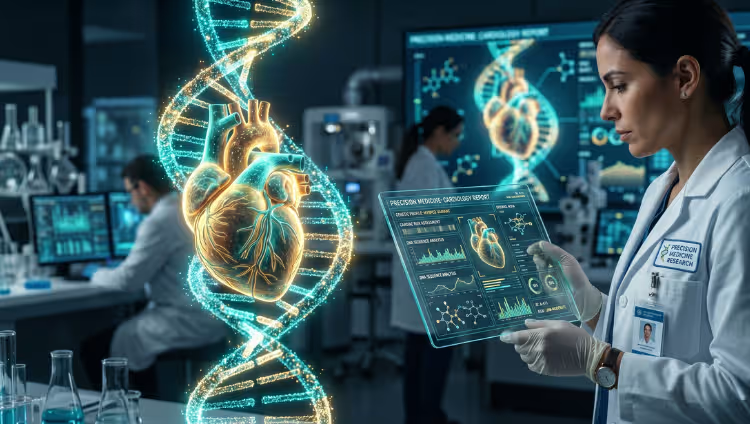
In the old days, heart treatment was often “one size fits all.” Everyone with high blood pressure got the same pill. In 2026, Dr Ajay Bahadur and other specialists use Personalized Medicine.
Treatment Based on Your DNA
We now look at a patient’s genetic makeup to understand how their body will react to certain medicines. This is called Pharmacogenomics.
Better Outcomes
By tailoring the treatment to the individual, we:
-
Avoid medicines that might cause side effects for you.
-
Find the exact dosage your body needs.
-
Create diet and exercise plans based on your specific metabolism.
This “tailor-made” approach ensures that we aren’t just treating a “heart patient”—we are treating you.
Advance #5 – New Medications Improving Survival Rates
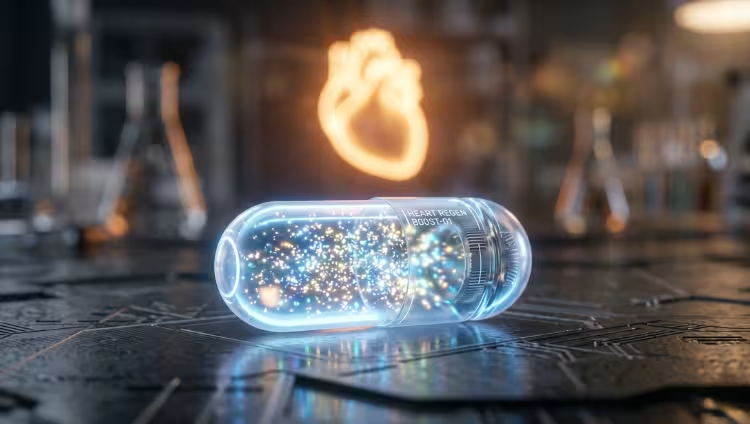
Pharmaceutical research has hit a golden age in 2026. We have new classes of drugs that do more than just lower cholesterol; they actually repair and protect the heart muscle.
Modern Drugs for Heart Failure
New medications now help the heart pump more efficiently and prevent the “remodeling” (thickening) of heart walls that leads to long-term damage. There are also new injectable treatments that only need to be taken once every few months to keep bad cholesterol at incredibly low levels.
Better Quality of Life
These drugs are designed to have fewer side effects. This means patients don’t just live longer; they feel better. They have more energy, less breathlessness, and can enjoy their daily activities with their families.
How These Advances Are Saving Lives: The Big Picture
The combination of these five advances has changed the “survival curve.” We are seeing:
-
Early Detection: We find the fire while it’s just a spark.
-
Faster Treatment: Robotic tools allow us to fix problems quickly.
-
Improved Survival: Modern drugs and monitoring keep the heart strong for decades.
As the Best Cardiologist in Lucknow, I see the impact every day. People who would have been considered “high-risk” five years ago are now living active, normal lives.
Real-Life Story: How Early Detection Saved Mr. Kapoor
Let me share a quick story. Mr. Kapoor, a 55-year-old teacher, came to see me for a routine check-up. He had no pain, but his wearable watch had flagged a few instances of an irregular heart rhythm.
Using AI-assisted diagnostic tools, we discovered a significant blockage in one of his main arteries—a “silent killer.” Because we found it early, we performed a minimally invasive procedure (stenting) through a tiny incision in his wrist. Mr. Kapoor was back in his classroom teaching just three days later. Without these 2026 advances, he might have suffered a major heart attack before anyone knew he was sick.
What Patients Should Do to Benefit From These Advances
Technology is wonderful, but it works best when you are proactive. Here is what you can do:
-
Schedule Regular Checkups: Don’t wait for pain. See a specialist for preventive screenings.
-
Embrace Wearables: If you have a heart condition, use a certified wearable device to track your data.
-
Ask About New Treatments: If you are on old medications, ask your doctor if there are newer, more effective options available in 2026.
-
Focus on Lifestyle: Technology supports a healthy life; it doesn’t replace it. Keep eating well and staying active.
For the best results, always consult the best cardiologist in Lucknow for proper guidance.
Role of an Experienced Cardiologist in Modern Heart Care
You might wonder: If AI and watches are so smart, do I still need a doctor?
The answer is a resounding YES.
Technology provides the data, but an experienced cardiologist provides the wisdom. Modern heart care is about interpreting that data and making the right human decisions. Dr Ajay Bahadur believes that while machines can see the “what,” a doctor understands the “why.”
As a trusted heart doctor in Lucknow, I combine these high-tech tools with years of clinical experience to ensure that your treatment plan is safe, effective, and right for your lifestyle.
FAQs on 5 Modern Heart Care Technologies 2026
1. What are the latest advances in heart treatment in 2026?
The top advances include AI-driven diagnostics, robotic minimally invasive surgery, advanced wearables for 24/7 tracking, personalized genetic-based medicine, and new heart-repairing medications.
2. How is AI used in heart disease detection?
AI scans medical images and electrical signals (ECGs) to find patterns that humans might miss. It can predict heart issues years in advance, allowing for early prevention.
3. Are modern heart treatments safer than before?
Yes. Because of “minimally invasive” techniques, we use smaller cuts, which leads to less blood loss, lower infection rates, and much faster recovery times for the patient.
4. Can wearable devices really detect heart problems?
Absolutely. In 2026, medical-grade wearables can detect irregular heart rhythms (like AFib) and notify you or your doctor immediately, often before you feel any symptoms.
5. How can I improve my heart health in 2026?
Combine technology with habit. Use a heart monitor if recommended, stay active, eat a heart-healthy diet, and visit a cardiologist in Lucknow for regular, advanced screenings.
6. Do new heart medicines improve survival rates?
Yes, the newest generation of drugs not only manages symptoms but also helps protect and even repair the heart muscle, significantly extending life expectancy for patients with heart disease.
Conclusion: A Healthier Future for Your Heart
The year 2026 is a wonderful time for heart health. We have the tools to see problems before they happen and the technology to fix them with minimal pain. However, the most important part of heart care remains you. Taking the first step toward a check-up is the best decision you can make for your family and your future.
Consult Dr Ajay Bahadur, a trusted cardiologist in Lucknow, for advanced and personalized heart care. Whether you need a routine screening or advanced treatment, we are here to help you navigate the future of heart health with confidence.
Stay Healthy, Stay Heart-Strong!