
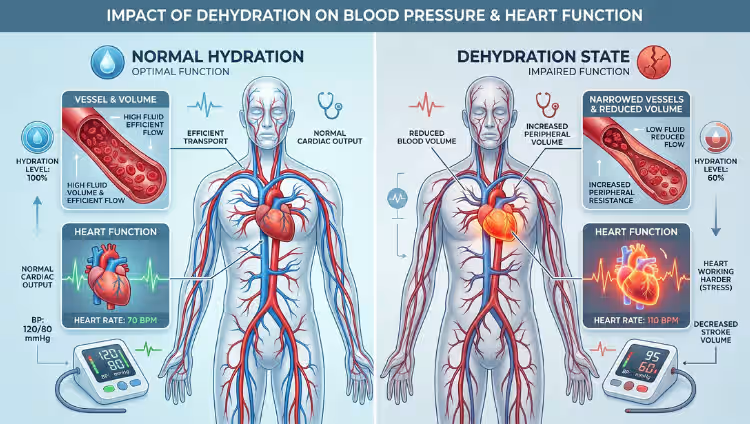
Dehydration reduces the total amount of blood circulating through your body. This makes your blood “thicker,” forcing your heart to beat faster and work harder to pump blood to your organs. This extra strain can cause heart palpitations, rapid heart rate, and fluctuations in blood pressure, potentially triggering serious cardiovascular issues.
Hello, as a Cardiologist, I see many patients who come to my clinic complaining of “fluttering” in their chest or sudden dizziness. While people often fear the worst, the culprit is frequently something much simpler: they are not drinking enough water.
Water is the fuel that keeps your circulatory system running smoothly. When you are dehydrated, your heart has to work double-time. In this guide, we will explore why hydration is the secret to a healthy heart and how you can protect yourself.
How Dehydration Affects Your Heart
Most people know that dehydration causes a dry mouth, but as the best heart specialist in Lucknow, I want you to understand what happens inside your chest.
Your blood is about 90% water. When you don’t drink enough fluids, your total blood volume drops. Think of it like a water pump in a building; if there isn’t enough water in the pipes, the pump has to strain and spin faster to get the water to the top floor.
The Heart’s Workload
When blood volume decreases, your blood becomes more concentrated and “viscous” (thicker). To make up for this, your heart increases its rate. This is why one of the first signs of dehydration is fatigue and a fast heartbeat. Your heart is literally getting tired from the extra effort required to move thicker blood through your veins.
Dehydration and Heart Palpitations
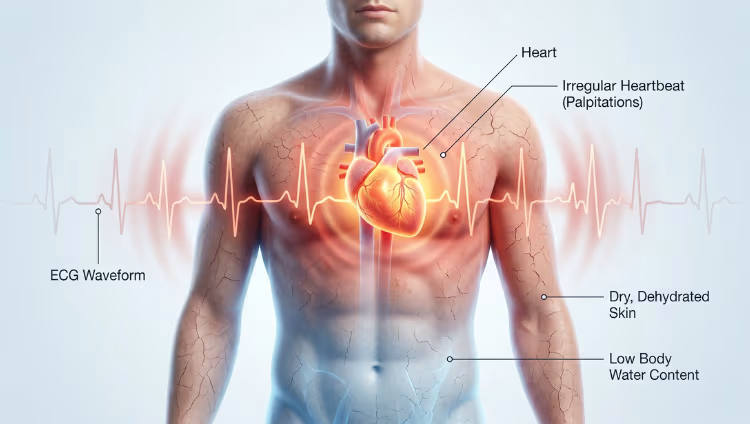
Have you ever felt like your heart skipped a beat, or it was “thumping” against your ribs? These are called heart palpitations. While palpitations can be caused by various heart conditions, dehydration is a very common trigger.
Why does it happen?
When you are dehydrated, your body loses essential minerals called electrolytes (like sodium and potassium). These minerals carry the electrical signals that tell your heart when to beat. If these levels are off, the electrical “wiring” of your heart gets confused, leading to those scary fluttering sensations.
When to seek medical help:
If you experience palpitations along with chest pain, fainting, or severe shortness of breath, you should immediately consult the Best Cardiologist in Lucknow – Dr Ajay Bahadur. While it might be dehydration, it is always better to let a professional rule out more serious issues.
Hydration and Your Heart
Maintaining a balance of fluids is not just about quenching thirst; it’s about maintaining “homeostasis”—the perfect internal environment for your organs to function.
The Role of Electrolytes
I often tell my patients that electrolytes are like “battery juice” for the heart. Sodium, potassium, and magnesium help the heart muscles contract and relax. When you sweat heavily or forget to drink water, you lose these minerals. A lack of potassium, in particular, can make your heart rhythm unstable.
Daily Hydration Needs
While the “8 glasses a day” rule is a good start, everyone is different. If you live in a hot city like Lucknow, or if you are physically active, you may need much more. I recommend checking your urine color; if it’s pale yellow like lemonade, you are doing well. If it’s dark like apple juice, your heart is asking for help.
Dehydration Warning Signs That Impact Heart Health
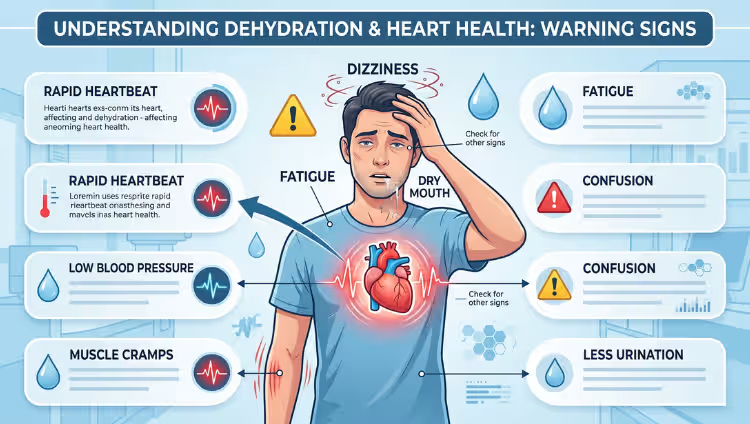
Recognizing dehydration early can prevent a trip to the emergency room. Here are the red flags I ask my patients to watch for:
-
Dry Mouth and Extreme Thirst: This is your body’s loudest cry for water.
-
Dizziness or Lightheadedness: This happens because your blood pressure drops, and not enough oxygen is reaching your brain.
-
Fatigue: If you feel unusually tired even after resting, your heart might be struggling with low blood volume.
-
Rapid Heartbeat (Tachycardia): If your resting pulse feels faster than usual, your heart is overcompensating for low fluids.
-
Dark Urine: This is a sign that your kidneys are trying to save every drop of water they can.
How Dehydration Can Impact Heart Rhythms
In medical terms, an irregular heartbeat is called an arrhythmia. As an experienced heart doctor in Lucknow, I have treated many patients whose arrhythmias were worsened by poor hydration.
The Risk for Specific Groups
-
The Elderly: As we age, our “thirst mechanism” becomes less sensitive. Seniors often don’t feel thirsty even when they are dehydrated.
-
Heart Patients: If you are already taking medications like diuretics (water pills) for blood pressure, you are at a higher risk of dehydration and electrolyte imbalance.
When the heart’s rhythm is disrupted, it can’t pump blood efficiently. This can lead to blood clots or, in extreme cases, increase the risk of a stroke. This is why I emphasize hydration as a pillar of cardiac care.
The Importance of Hydration in Maintaining a Healthy Heart
Hydration is a long-term investment. By keeping your blood volume at a healthy level, you:
-
Lower your resting heart rate: Giving your heart more “rest” time between beats.
-
Keep blood vessels flexible: Water helps the lining of your blood vessels stay healthy, which prevents stiffness.
-
Prevent Strain: It reduces the long-term wear and tear on the heart muscle.
Incorporating simple lifestyle habits—like drinking a glass of water the moment you wake up—can add years to your heart’s life.
How Dehydration Affects Your Blood Pressure and Heart
There is a common misconception that dehydration only lowers blood pressure. While it’s true that low blood volume can cause low blood pressure (hypotension), leading to fainting or “blackouts,” the body sometimes reacts by constricting blood vessels.
When blood vessels tighten to try to maintain pressure despite low fluid levels, it can actually cause a temporary spike in blood pressure. This “rollercoaster” of pressure puts immense strain on the arteries and the heart chambers. For a patient already dealing with hypertension, this instability is dangerous.
Dehydration and Heart Rate: Key Warning Signs
If you are out in the sun or exercising, keep an eye on these specific cardiac warning signs:
-
A Fast, Weak Pulse: If your heart is racing but you feel weak or “thread-like” pulses at your wrist, you are likely severely dehydrated.
-
Shortness of Breath: When blood isn’t moving efficiently, your lungs have to work harder to get oxygen into the system.
-
Confusion: A lack of fluid flow to the brain can cause “brain fog” or irritability.
If you notice these symptoms, stop what you are doing, move to a cool place, and sip water slowly.
Tips to Drink More Water Daily
As the Best Cardiologist in Lucknow – Dr Ajay Bahadur, I know that “drinking more water” is easier said than done. Here are some patient-tested tips:
-
Carry a Reusable Bottle: If it’s in your hand, you’ll drink it. Keep it on your desk or in your bag.
-
Set “Water Alarms”: Use your phone to remind you to drink a small glass every hour.
-
Eat Your Water: Foods like cucumbers, watermelon, oranges, and tomatoes are packed with water and electrolytes.
-
Drink Before You Are Thirsty: Thirst is actually a late sign of dehydration. Drink on a schedule, not just when your mouth feels dry.
-
Flavor It Naturally: If plain water is boring, add a slice of lemon, mint, or ginger.
FAQ: Dehydration and Your Heart
Q: Can moderate dehydration increase heart rate?
Yes. Even mild to moderate dehydration can cause your heart rate to increase by several beats per minute as the body tries to maintain blood pressure with less fluid.
Q: Does dehydration cause bradycardia or tachycardia?
It typically causes tachycardia (a fast heart rate). Bradycardia (a slow heart rate) is rare in dehydration and usually signifies a much more complex medical emergency.
Q: Can dehydration cause heart attack symptoms?
Dehydration can cause chest pain and shortness of breath, which mimic heart attack symptoms. However, it can also trigger a heart attack in people with existing blockages because the blood becomes thicker and more likely to clot.
Q: Can dehydration cause heart arrhythmia?
Yes. By causing an electrolyte imbalance (loss of potassium and magnesium), dehydration can lead to irregular heart rhythms or AFib (Atrial Fibrillation) episodes.
Q: How does dehydration affect someone with heart failure?
This is a delicate balance. Patients with heart failure must manage fluid intake carefully. Too much water can overwhelm the heart, but too little causes kidney strain. Always follow the specific fluid limits set by your heart doctor in Lucknow.
Q: Why does dehydration increase heart rate during exercise?
During exercise, you lose fluid through sweat. To keep sending oxygen to your working muscles despite lower blood volume, the heart must pump much faster.
Q: Can dehydration cause heart palpitations at night?
Yes. If you haven’t hydrated well during the day, you might experience palpitations or “pounding” in your ears while lying down at night as your heart struggles to circulate blood.
Conclusion: Take Care of Your Heart, One Sip at a Time
Your heart is a tireless worker, beating over 100,000 times a day. The very least we can do is provide it with enough water to make its job easier. From preventing palpitations to maintaining steady blood pressure, hydration is the simplest form of “preventive medicine.”
If you have been feeling “off,” experiencing irregular heartbeats, or if you are concerned about how your lifestyle is affecting your cardiac health, don’t wait. Early diagnosis and simple lifestyle changes can prevent major complications.
For expert guidance and a patient-first approach to heart health, consult Dr Ajay Bahadur, the Best Cardiologist in Lucknow. Whether it’s a routine check-up or managing a complex heart condition, we are here to help you lead a healthier, longer life.
Book your consultation today with the Best Heart specialist in Lucknow and take the first step toward a stronger heart.
Disclaimer: This article is for educational purposes and does not replace professional medical advice. If you are experiencing a medical emergency, please contact emergency services immediately.