
Does Drinking Coffee Increase Heart Risk? The Ultimate Guide to Caffeine and Your Heart
Posted By Dr Ajay Bahadur|Cardiologist, Lucknow
For many of us, the sound of a coffee grinder or the smell of a fresh brew is the only thing that gets us out of bed. Coffee is one of the most consumed beverages in the world. However, because it makes our heart beat faster and gives us a “jolt” of energy, many people worry: Does Drinking Coffee Increase Heart Risk?
If you have ever felt a flutter in your chest after an extra cup of chai or coffee, you aren’t alone. Heart health is a serious topic, and it is important to know how your daily habits affect your long-term wellness. In this detailed guide, we will explore everything you need to know about coffee and your heart.
If you are living in Uttar Pradesh and have concerns about your cardiovascular health, consulting the Best Cardiologist in Lucknow can provide you with the peace of mind you need.
Understanding What is Inside Your Coffee
To answer the question, “Does Drinking Coffee Increase Heart Risk?“, we first need to look at the ingredients. Coffee isn’t just dark water; it is a biological powerhouse.
-
Caffeine: The most famous ingredient. It is a stimulant that affects the central nervous system.
-
Antioxidants: Coffee is packed with polyphenols. These are “good guys” that fight cell damage and inflammation in your body.
-
Diterpenes: Molecules like cafestol and kahweol are found in coffee oils. These can sometimes affect your cholesterol levels.
-
Magnesium and Potassium: These minerals are essential for heart rhythm and muscle function.
While caffeine gets all the attention, the other chemicals in coffee play a huge role in how your heart reacts to your morning cup.
The Immediate Effects: What Happens Right After Drinking Coffee?
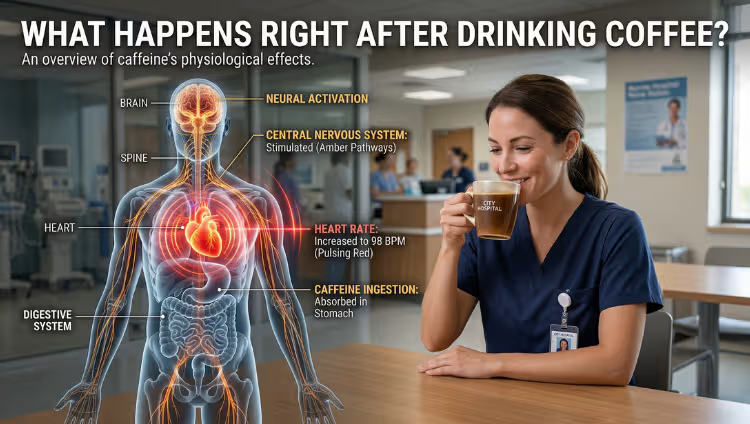
The moment you take a sip of coffee, your body begins to react. Within 15 to 20 minutes, the caffeine enters your bloodstream.
The Rise in Heart Rate
Caffeine blocks a chemical in your brain called adenosine, which normally makes you feel sleepy. At the same time, it triggers the release of adrenaline. This “fight or flight” hormone causes your heart to beat faster. For a healthy person, this is usually not a problem. But if you already have a weak heart, you should discuss this with a heart doctor.
The Temporary Blood Pressure Spike
Caffeine can cause a short-term increase in blood pressure. It does this by narrowing the blood vessels or by stimulating the adrenal glands. This spike usually lasts for about 3 to 4 hours. If you already suffer from hypertension, a heart specialist in Lucknow might suggest limiting your intake to avoid these daily spikes.
The Long-Term Question: Does Drinking Coffee Increase Heart Risk?
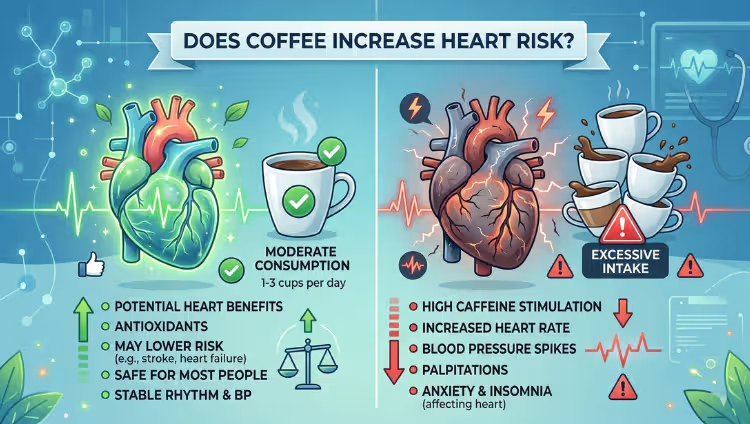
When we look at long-term studies involving millions of people, the answer to “Does Drinking Coffee Increase Heart Risk?” is actually quite positive.
Reduced Risk of Heart Failure
Recent studies have shown that drinking one or more cups of caffeinated coffee a day may reduce the risk of heart failure over many years. Heart failure happens when the heart is too weak to pump enough blood. The antioxidants in coffee may help keep the heart muscle strong.
Lower Risk of Stroke
Coffee drinkers often have a lower risk of stroke. A stroke happens when blood flow to the brain is blocked. By keeping blood vessels flexible and reducing inflammation, coffee seems to offer a layer of protection.
Protection Against Type 2 Diabetes
Type 2 diabetes is one of the biggest risk factors for heart disease. Coffee helps the body process sugar better, which indirectly protects the heart from the damage caused by high blood sugar levels.
When Coffee Might Be Dangerous: The Risk Factors
While coffee is generally safe, there are specific situations where it can be harmful. You should be cautious if:
-
You Have Heart Arrhythmia: If your heart already beats irregularly, caffeine can act like “fuel on a fire” and make the condition worse.
-
You Are a “Slow Metabolizer”: Some people have a gene that makes them process caffeine very slowly. For these people, caffeine stays in the system longer, increasing the risk of a heart attack.
-
You Are Pregnant: High levels of caffeine can increase heart rate for both the mother and the baby.
-
You Suffer from Anxiety: Since caffeine mimics the feeling of a panic attack (racing heart, sweaty palms), it can put extra stress on your cardiovascular system.
If you fall into any of these categories, it is vital to visit a heart doctor for a full evaluation.
How You Brew Matters: Filtered vs. Unfiltered Coffee
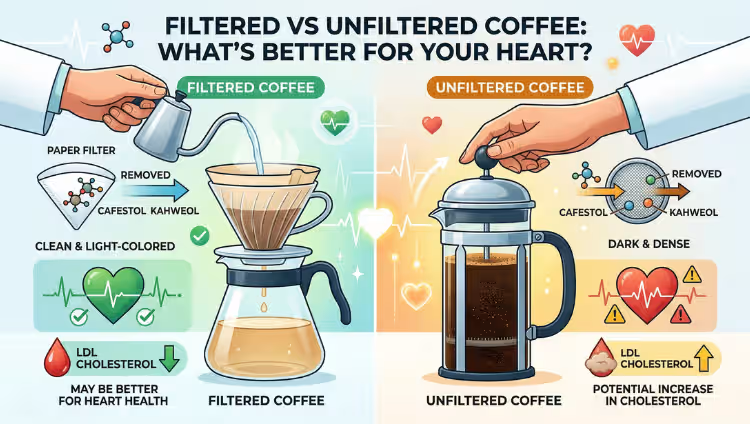
Most people don’t realize that the way you make your coffee changes its heart risk.
Filtered Coffee (The Healthy Choice)
When you use a paper filter (like in a drip coffee maker), the filter catches the oily substances called cafestol and kahweol. This is important because these oils are known to raise LDL (bad) cholesterol.
Unfiltered Coffee (The Risky Choice)
Methods like the French press, Turkish coffee, or boiled “cowboy” coffee leave these oils in the drink. If you drink several cups of unfiltered coffee every day, your cholesterol levels might rise. If you already have high cholesterol, an Interventional Cardiologist would likely advise you to stick to filtered options.
The “Hidden” Risks: Creamer, Sugar, and Syrups
Sometimes the answer to “Does Drinking Coffee Increase Heart Risk?” has nothing to do with the coffee bean itself. It is about what we add to it.
-
Sugar: Excess sugar leads to obesity and clogged arteries.
-
Artificial Creamers: Many powdered creamers contain trans-fats or high amounts of saturated fats, which are terrible for heart health.
-
High Calories: A large “coffee” drink from a cafe can have as many calories as a full meal, leading to weight gain—a major enemy of the heart.
Step-by-Step Guide: How to Make Your Coffee Heart-Healthy
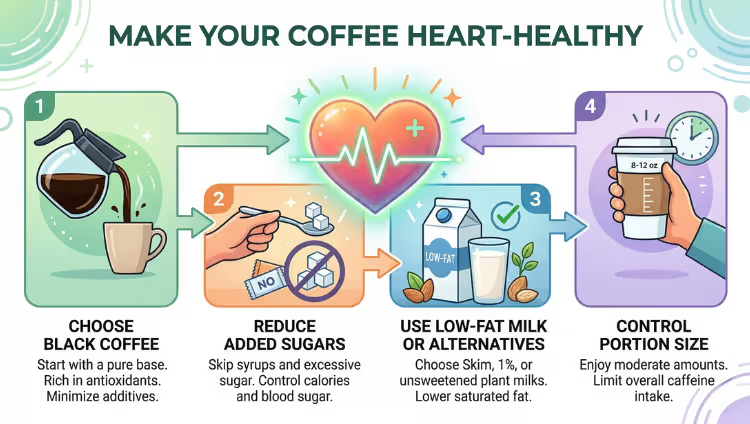
If you want to keep enjoying your coffee without worrying about heart risks, follow these six simple steps:
Step 1: Limit Your Intake
Try to keep your consumption to 2–4 small cups per day. This is roughly 400mg of caffeine, which is considered safe for most adults.
Step 2: Use a Paper Filter
Switch to drip coffee or pour-over methods to ensure you are filtering out the cholesterol-raising oils.
Step 3: Go Easy on the Sweeteners
Train your taste buds to enjoy coffee with less sugar. If you need sweetness, try a tiny bit of stevia or cinnamon.
Step 4: Watch Your Body’s Signals
If you feel shaky, dizzy, or notice your heart “skipping beats,” stop drinking caffeine immediately and consult a heart specialist in Lucknow.
Step 5: Stay Hydrated with Water
For every cup of coffee you drink, drink one cup of plain water. This prevents dehydration and keeps your blood volume steady.
Step 6: Don’t Drink Coffee on an Empty Stomach
Drinking coffee on an empty stomach can cause a sharper rise in stress hormones. Try having a small breakfast first.
Why You Should Talk to a Heart Specialist in Lucknow
Every person’s body is different. Your age, weight, genetics, and existing health conditions determine how much coffee is safe for you.
-
Personalized Advice: A heart doctor can perform tests like an ECG or an Echo to see how your heart reacts to stimulants.
-
Preventive Care: The Best Cardiologist in Lucknow can help you create a diet and lifestyle plan that includes coffee in a safe way.
-
Interventional Expertise: If you have had heart surgery or stents, an Interventional Cardiologist can explain the specific risks of caffeine during your recovery period.
Common Myths About Coffee and the Heart
Myth 1: Coffee causes permanent high blood pressure.
Fact: It causes a temporary spike, but there is no strong evidence that it causes chronic hypertension in healthy people.
Myth 2: Decaf coffee is chemical-laden and bad for you.
Fact: Most modern decaffeination processes are very safe. Decaf is a great option for people who love the taste of coffee but have heart rhythm issues.
Myth 3: Coffee causes dehydration that stops the heart.
Fact: While coffee is a mild diuretic, your body still absorbs the water in the coffee. It does not cause severe dehydration if consumed in moderation.
Conclusion: The Final Verdict
So, Does Drinking Coffee Increase Heart Risk?
For the vast majority of people, the answer is No. In fact, moderate coffee drinking is associated with a longer life and a healthier heart. The keys are moderation, using filters, and avoiding the “junk” like excess sugar and cream.
However, if you have an existing heart condition or if you feel any discomfort after drinking coffee, you must listen to your body. Your heart is too precious to take risks with.
Frequently Asked Questions (FAQs)
Q1. Does coffee cause heart palpitations?
Yes, it can. Caffeine is a stimulant that can trigger palpitations (the feeling that your heart is racing or pounding). If this happens often, you should visit a heart specialist in Lucknow to make sure it isn’t a sign of an underlying rhythm disorder.
Q2. Can I drink coffee if I have high blood pressure?
Most people with high blood pressure can enjoy 1–2 cups, but you should monitor your levels. If your blood pressure stays high after drinking coffee, you should switch to decaf and talk to your heart doctor.
Q3. Is black coffee better for the heart than milky coffee?
Black coffee is lower in calories and fat, making it the most heart-healthy choice. If you add milk, use low-fat or plant-based options, and avoid heavy creams.
Q4. How long does caffeine stay in my system?
Caffeine has a “half-life” of about 5 to 6 hours. This means if you drink a cup at 4:00 PM, half of that caffeine is still in your blood at 10:00 PM, which can stress your heart during sleep.
Q5. What should I do if I feel chest pain after drinking coffee?
Chest pain is a medical emergency. You should stop drinking coffee immediately and seek help from an Interventional Cardiologist or the nearest emergency room.
Q6. Can coffee help lower cholesterol?
Actually, unfiltered coffee can raise cholesterol. To keep your cholesterol in check, always use a paper filter when brewing.
Q7. Is it okay to drink coffee before a heart surgery?
Usually, no. Most doctors will ask you to avoid caffeine for several days before any surgery or heart procedure. Always follow the instructions given by your heart doctor.
Q8. Does coffee interact with heart medications?
Yes, caffeine can interfere with certain blood thinners and blood pressure medications. Always tell your heart doctor in Lucknow about your coffee habits.
Take the Next Step for Your Heart Health
Don’t let “what-ifs” worry you. If you are a coffee lover and want to make sure your heart is in peak condition, it is time for a professional checkup.
Book an appointment with the Best Cardiologist in Lucknow today!
Our team of experts, including top heart specialists in Lucknow and experienced Interventional Cardiologists, is dedicated to keeping your heart beating strong. Whether you need a simple consultation or a detailed heart screening, we are here to provide the best care in the city.