
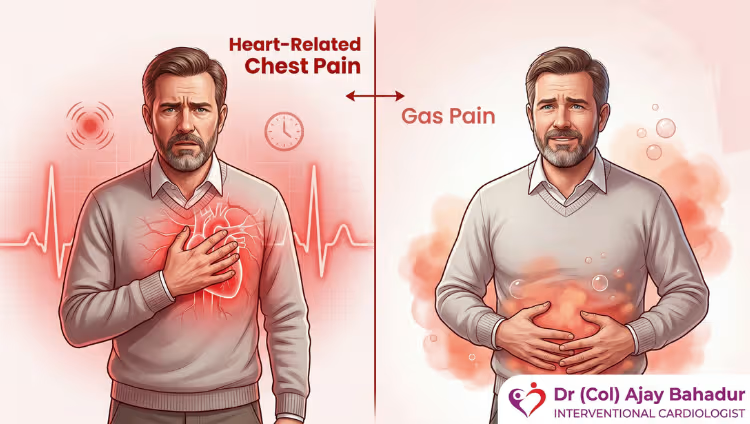
Chest Pain vs. Gas: How to Know If It’s a Heart Problem?
By Dr. Ajay Bahadur | Cardiologist in Lucknow
We have all been there. You are sitting on your couch after a heavy, spicy meal, and suddenly, you feel a sharp poke or a heavy tightness in your chest. Your mind immediately goes to the scariest thought: “Is this a heart attack?”
While many times that pain is just trapped gas or indigestion, you can never be too careful when it comes to your heart. Understanding the difference between Chest Pain vs Gas can literally save your life.
In this guide, Dr. Ajay Bahadur, a leading cardiologist in Lucknow, breaks down the symptoms, the differences, and when you should immediately call for help.
Understanding Gas Pain: What Does It Feel Like?
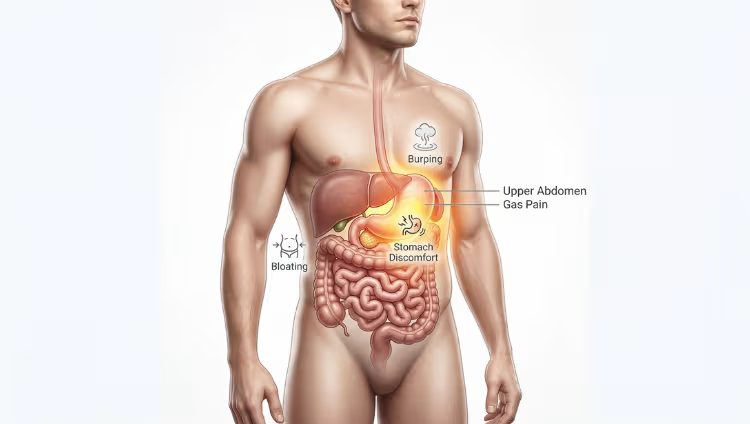
Gas pain is very common. It happens when air gets trapped in your digestive tract. This can happen because you ate too fast, swallowed air, or ate something that didn’t agree with you (like spicy food, beans, or heavy dairy).
Common Symptoms of Gas Pain:
-
Sharp and Jabbing: Gas pain usually feels like a sharp needle-like poke or a “stabbing” sensation.
-
It Moves Around: One moment the pain is in your upper chest, the next it is in your stomach or your side. Heart pain usually stays centered.
-
Bloating: Your stomach feels tight, full, or “puffed up.” You might feel the need to loosen your belt.
-
Burping or Passing Gas: Usually, if you burp or pass gas, the pain starts to get better almost instantly.
-
Triggered by Food: It often happens right after you eat a large, oily, or very late-night meal.
If you are experiencing frequent digestive issues that mimic chest pain, it is a good idea to consult a heart doctor in Lucknow to rule out any underlying cardiac issues first. It is always better to be safe than sorry.
Understanding Heart Pain: What Does It Feel Like?
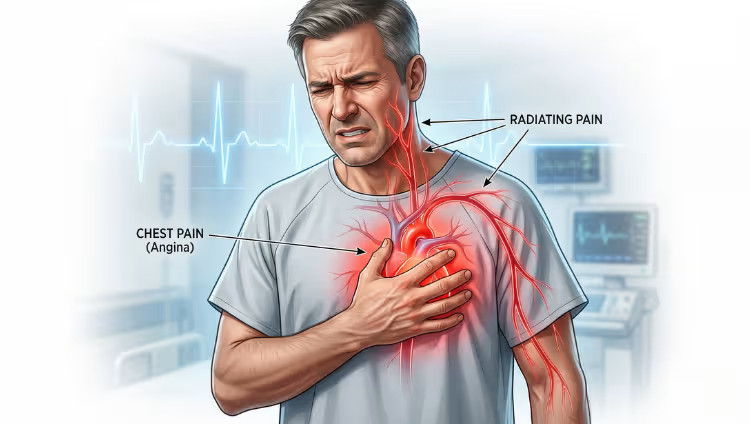
Heart-related chest pain (medically called Angina or a Heart Attack) feels very different from a sharp gas poke. It is usually described as a “discomfort” or a “weight” rather than a “pain.”
Common Symptoms of a Heart Problem:
-
Pressure or Heaviness: It feels like an elephant is sitting on your chest or a very heavy weight is pressing down.
-
Squeezing Sensation: It feels like someone is tightening a metal band around your chest.
-
Radiation: The pain doesn’t stay in one spot. It often travels to your left arm, neck, jaw, or even through to your back.
-
Cold Sweats: You might start sweating heavily (clammy skin) even if the room is cool or the AC is on.
-
Shortness of Breath: You feel like you can’t catch your breath, even while sitting perfectly still.
-
Nausea and Lightheadedness: Feeling dizzy, like the room is spinning, or feeling like you might faint.
If you feel these symptoms, do not wait for the pain to “pass.” You need to see a heart specialist in Lucknow immediately.
A Real-Life Example: The Case of Mr. Sharma
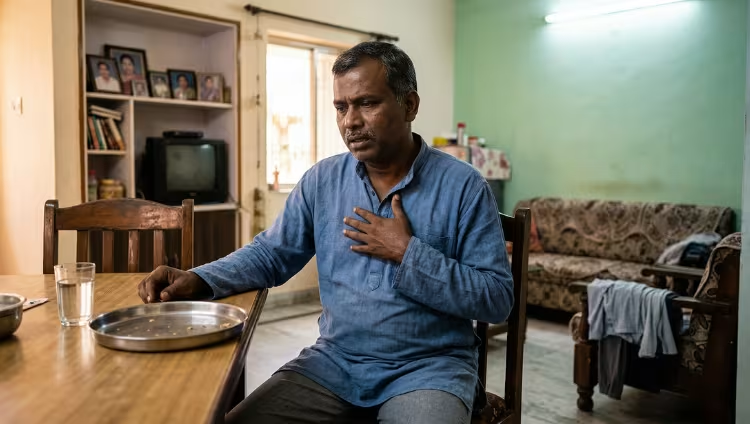
To understand how tricky this can be, let’s look at a real-life case often seen by medical professionals in Lucknow.
The Scenario:
Mr. Sharma, a 52-year-old businessman, attended a late-night wedding party. He ate a lot of rich, fried food. Two hours later, back at home, he felt a “burning” and “tightness” in his upper chest.
The Mistake:
Mr. Sharma assumed it was just “acidity” from the wedding food. He took an antacid syrup and tried to sleep. However, the discomfort didn’t go away. He started feeling a bit restless and noticed he was sweating, even though his ceiling fan was on full speed.
The Turning Point:
His wife noticed he looked pale and was clutching his chest. Instead of waiting for the morning, she took him to an emergency room.
The Result:
The doctors performed an ECG and found that Mr. Sharma was actually having a mild heart attack. He was quickly referred to an Interventional Cardiologist, who performed a quick procedure to clear a blocked artery. Because they acted fast, Mr. Sharma’s heart muscle was saved from permanent damage.
The Lesson:
Mr. Sharma’s “gas” was actually a heart warning sign. If he had waited until morning, the outcome could have been fatal. This is why consulting a cardiologist in Lucknow at the right time can be life-saving.
Side-by-Side Comparison: Gas vs. Heart Attack
To make it easy for you to decide your next move, use this simple table:
| Feature | Gas / Indigestion | Heart Problem (Emergency) |
| Type of Pain | Sharp, stabbing, or “poky.” | Heavy, squeezing, or crushing pressure. |
| Location | Moves around the chest/stomach. | Centered in the chest, spreads to the arm/jaw. |
| Effect of Movement | Might feel better if you move or walk. | Usually gets worse with physical activity. |
| Duration | Lasts a few seconds or goes away after a burp. | Lasts more than a few minutes or keeps coming back. |
| Sweating | Usually no sweating. | Often accompanied by cold, clammy sweat. |
| Other Signs | Bloating, sour taste in the mouth. | Dizziness, shortness of breath, nausea. |
Why You Might Need an Interventional Cardiologist
Sometimes, chest pain isn’t just a temporary cramp; it’s a sign that your heart’s “pipes” (arteries) are clogged with fat and cholesterol.
An Interventional Cardiologist is a highly specialized doctor who uses tiny tubes (catheters) and advanced imaging to fix heart problems without doing “big” open-heart surgery.
Common procedures they perform include:
-
Angioplasty: Opening up a blocked or narrowed artery using a small medical balloon.
-
Stenting: Placing a tiny mesh tube (stent) to keep the artery open so blood can flow freely.
-
Emergency Clot Removal: If a patient arrives during a heart attack, the doctor can manually remove the clot.
If your chest pain is due to a blockage, finding a skilled Interventional Cardiologist like Dr. Ajay Bahadur is the most important step for your long-term health.
Step-by-Step: What to Do If You Have Chest Pain Right Now
If you are feeling pain in your chest and you aren’t 100% sure what it is, follow these steps immediately:
Step 1: Stop and Sit Down
Do not try to “walk it off” or continue working. Stop all physical activity. Sit in a comfortable, upright position to help your breathing.
Step 2: Check for “Red Flags”
Ask yourself:
-
Is the pain spreading to my left arm or jaw?
-
Am I sweating or feeling lightheaded?
-
Is it hard to breathe?
-
If the answer is YES to any of these, call an ambulance or head to the hospital immediately.
Step 3: Try an Antacid (Only if symptoms are mild)
If you truly believe it is gas and you have no other symptoms (no sweating, no arm pain), try taking a simple antacid. If the pain does not vanish within 10–15 minutes, do not take a second dose—go to a doctor.
Step 4: Monitor the Time
Heart-related pain usually lasts longer than a few minutes. If your pain lasts more than 10-15 minutes and doesn’t change when you change your body position, treat it as a heart emergency.
Step 5: Consult a Specialist
Even if the pain goes away on its own, you are not “off the hook.” If you have risk factors like High Blood Pressure, Diabetes, or a history of smoking, you must visit a heart specialist in Lucknow for a check-up (usually an ECG or a TMT test).
How to Prevent Chest Pain (Both Gas and Heart)
You don’t have to live in fear. Follow these simple lifestyle tips to keep both your stomach and your heart happy:
-
Eat Smaller, Frequent Meals: Instead of three huge meals, try eating 5-6 small meals. This prevents the stomach from bloating and pressing against your chest.
-
30-Minute Daily Walk: Walking is the best medicine. It keeps your heart pumping and helps move gas through your digestive system.
-
Reduce Salt and Oil: Excess oil causes gas and acidity; excess salt raises your blood pressure, which hurts your heart.
-
Know Your Numbers: Keep an eye on your blood pressure, sugar, and cholesterol levels.
-
Regular Heart Check-ups: Visit a heart specialist in Lucknow at least once a year for a routine screening, especially if you are over 40.
Frequently Asked Questions (Chest Pain vs Gas)
Q. Can gas pain be felt on the left side of the chest?
Yes, gas can get trapped in the upper part of the stomach or the curve of the colon, which sits on the left side. This often mimics heart pain. However, if the pain doesn’t go away with a burp or movement, see a doctor.
Q. Does a heart attack always cause a “crushing” pain?
No. Some people (especially women and diabetics) may only feel a mild discomfort, extreme tiredness, or a “funny feeling” in the chest. Never ignore even “mild” persistent discomfort.
Q. What is the cost of a heart consultation in Lucknow?
The consultation fee for a heart doctor in Lucknow typically ranges from ₹500 to ₹1,500, depending on the doctor’s experience and the hospital facility. Routine tests like an ECG may cost an additional ₹300 to ₹600.
Q. How much does an Angioplasty cost in Lucknow?
The cost of an Angioplasty procedure can vary based on the hospital and the type of stent used. On average, it ranges from ₹1,00,000 to ₹2,50,000. Many hospitals in Lucknow also offer government schemes and insurance coverage for these procedures.
Q. Will an ECG always detect a heart problem?
An ECG is a great first step, but sometimes it can be normal even if there is a blockage. If your symptoms continue, your heart specialist in Lucknow might suggest further tests like an Echo or a Stress Test.
Q. Who is the best cardiologist in Lucknow for emergencies?
Lucknow has excellent cardiac facilities. You should look for a hospital that has a 24/7 “Cath Lab” and an experienced Interventional Cardiologist on call, such as Dr. Ajay Bahadur.
Q. Can stress cause chest pain that feels like a heart attack?
Yes, anxiety and panic attacks can cause chest tightness and rapid heartbeat. However, because the symptoms are so similar, doctors always check the heart first to be safe.
Q. Should I take an Aspirin if I think it’s a heart attack?
If you are sure the pain is heart-related, chewing a standard Aspirin can help break down clots. However, always try to call your doctor or an emergency helpline before taking medication.
Conclusion: Don’t Ignore the Signs
Chest pain is your body’s alarm system. While it is often just gas, you should never gamble with your life. If you are over the age of 40, have a family history of heart disease, or are experiencing heavy pressure in your chest, it is time to seek professional help.
Lucknow offers world-class cardiac care. Whether you need a routine check-up or a life-saving procedure, the city has some of the best medical experts to help you live a long, healthy life.
Take Action Today!
Are you experiencing recurring chest discomfort or bloating? Don’t leave your health to chance. Consult Dr. Ajay Bahadur, the Best Cardiologist in Lucknow, today for a complete heart screening.
Contact us now to book an appointment with a leading heart specialist in Lucknow and give your heart the care it deserves!