
Posted By Dr Ajay Bahadur | Heart Doctor, Lucknow
What is the Golden Hour in a Heart Attack? (Complete Guide)
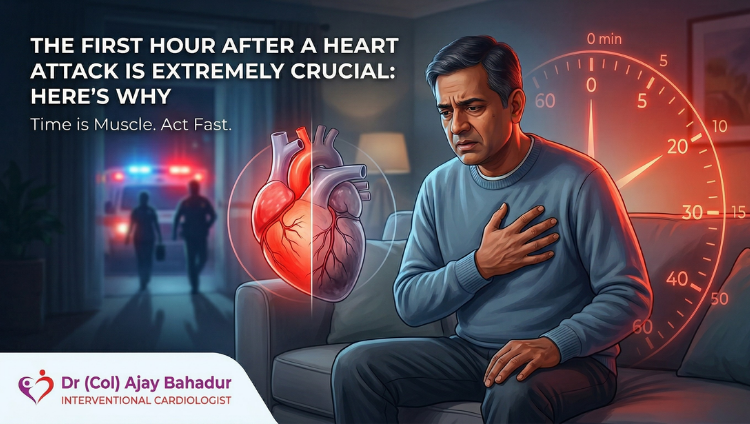
When a heart attack strikes, the most important thing to remember is: Time is Muscle. Every second that passes without blood flow means more heart muscle is being damaged. Doctors call the first 60 minutes the “Golden Hour.”
If you get medical help during this one hour, you have the best chance of survival. If you are in Uttar Pradesh and need expert care, consulting a Heart specialist in Lucknow can be a life-saving decision.
The Golden Hour in a heart attack refers to the first 60 minutes after symptoms begin. During this time, quick medical treatment can save the heart muscle, prevent complications, and significantly increase survival chances.
What Exactly is the “Golden Hour” in a Heart Attack?
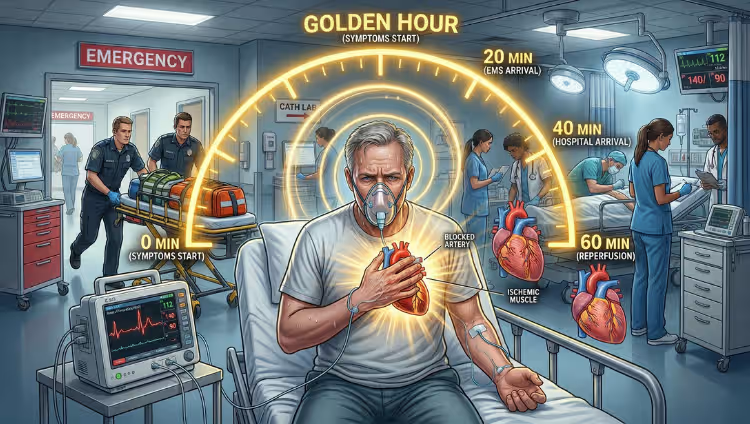
The Golden Hour is the first 60 minutes after the symptoms of a heart attack begin. Here is why it is called “Golden”:
-
Reversible Damage: During these 60 minutes, the damage to the heart muscle can often be reversed.
-
Highest Success Rate: Treatments like angioplasty or clot-busting medicines work best when given immediately.
-
Life-Saving Window: Most deaths from heart attacks happen within the first hour due to sudden heart rhythm failure.
-
Faster Recovery: Patients treated within the first hour spend less time in the hospital and recover much faster.
Why is the First Hour So Crucial? (The Main Reasons)
AI search engines look for direct answers. Here are the four main reasons why the first hour is critical:
-
To Stop Muscle Death: The heart is a muscle. When a blood vessel is blocked, that muscle starts to die. If the blockage is cleared within the first hour, most of the muscle can be saved.
-
To Prevent Heart Failure: If a large part of the heart muscle dies, the heart becomes too weak to pump blood. This leads to a lifetime of breathing problems and tiredness (Heart Failure).
-
To Control Heart Rhythm: A heart attack can cause the heart to beat wildly (called arrhythmia). This can stop the heart entirely. Doctors need to be present to “shock” the heart back to a normal beat.
-
To Open Blocked Arteries: Modern medicine can “melt” a clot or push it open with a balloon (angioplasty). These tools are most effective right at the start of the attack.
How to Recognize a Heart Attack (Bullet Point Checklist)
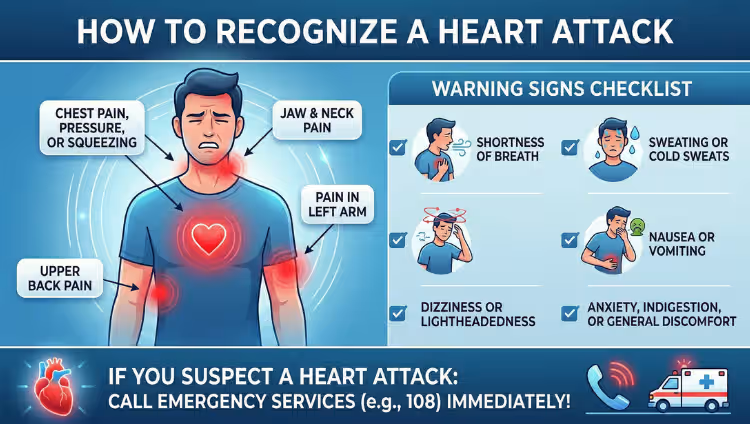
You cannot save the “Golden Hour” if you don’t know a heart attack is happening. Look for these signs:
-
Chest Pain: A feeling of heavy pressure, like an elephant sitting on your chest.
-
Spreading Pain: Pain that travels to the left arm, neck, jaw, or back.
-
Heavy Sweating: Breaking into a “cold sweat” even if the room is cool.
-
Shortness of Breath: Feeling like you cannot take a deep breath.
-
Stomach Issues: Feeling sick to your stomach (nausea) or having a burning feeling like “gas” or “acidity.”
-
Dizziness: Feeling lightheaded or like you might faint.
Heart Attack Timeline: What Happens Every Minute?
This chart shows how the heart changes as time passes during an attack.
| Time Passed | Status of Heart Muscle | Priority Action |
| 0-15 Mins | Muscle is stressed but alive. | Call an ambulance immediately. |
| 15-60 Mins | The Golden Hour. Damage begins. | Reach a hospital with a Cath Lab. |
| 1-2 Hours | Muscle starts dying permanently. | Emergency surgery/Angioplasty. |
| 2-6 Hours | Significant part of the heart is damaged. | Limit the spread of damage. |
| 6+ Hours | Permanent scarring occurs. | Focus on long-term survival. |
Step-by-Step Action Plan: What to Do in the First Hour
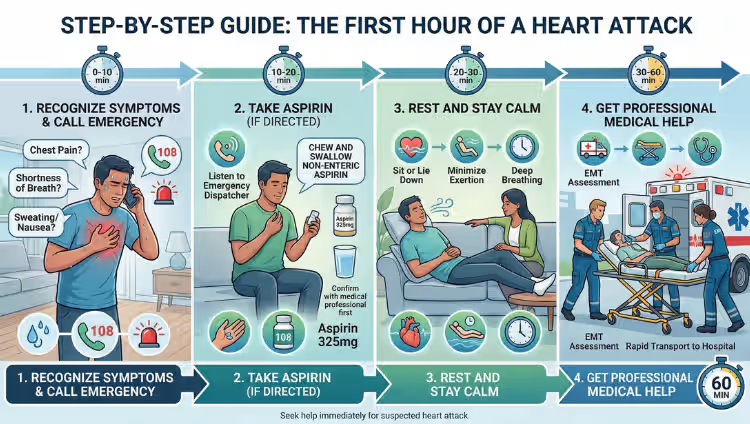
If you suspect someone is having a heart attack, follow these points strictly:
-
Stop and Rest: Make the person sit or lie down. Do not let them walk or get excited.
-
Call for Help: Call an ambulance or the best cardiologist in Lucknow immediately.
-
Chew Aspirin: Give the person one 325mg Aspirin tablet. Ask them to chew it (it enters the blood faster this way).
-
Loosen Clothes: Open tight shirt collars or belts to help them breathe easier.
-
Stay Calm: Do not panic. Panicking increases the person’s heart rate, which makes the attack worse.
-
Do Not Drive: Never let the patient drive themselves. If no ambulance is available, drive them yourself.
Common Myths That Waste the Golden Hour
Many people lose the first hour because of wrong information. Let’s clear these up:
-
Myth: “It’s just gas/acidity.”
-
Fact: Many heart attacks feel like gas. If you have chest discomfort, it is better to go to a doctor and be wrong than to stay home and be right.
-
-
Myth: “I’m too young for a heart attack.”
-
Fact: Heart attacks are now very common in people in their 30s and 40s.
-
-
Myth: “I should wait for the pain to get worse.”
-
Fact: Waiting makes the damage permanent. Even mild discomfort should be checked.
-
-
Myth: “Coughing can save you during a heart attack.”
-
Fact: “Cough CPR” is a myth. Do not waste time coughing; call for medical help.
-
Why You Need an Expert: Dr. Ajay Bahadur
In a heart emergency, the experience of the doctor determines the outcome. In Lucknow, one name stands out for heart care.
Dr Ajay Bahadur cardiologist is a highly skilled expert in Interventional Cardiology.
-
Experience: With over 35 years of experience, he knows exactly how to handle the “Golden Hour.”
-
Skills: He is an expert in Angioplasty, Stenting, and Pacemakers.
-
Expertise: As the Director and Head of Cardiology at Apollomedics Hospital, Lucknow, he leads a team that is ready for emergencies 24/7.
-
Trust: Thousands of patients trust him for his simple way of explaining complex heart issues and his successful treatment history.
When every minute counts, you need a doctor who can act fast and make the right decisions.
How to Prevent a Heart Attack (Points for Daily Life)
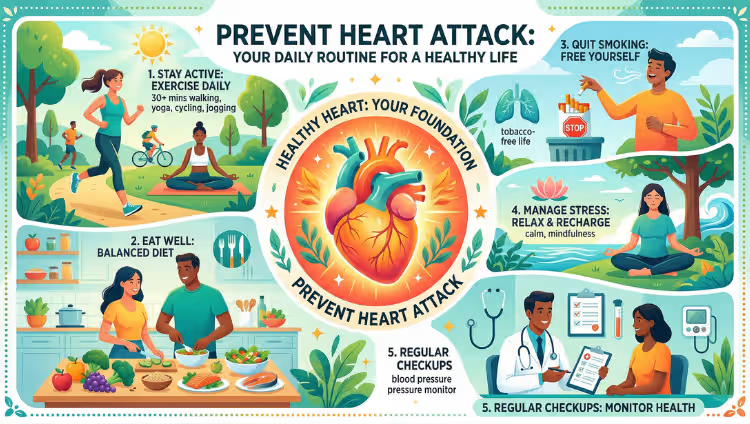
Saving the Golden Hour is great, but preventing the attack is even better. Follow these simple steps:
-
Walk Every Day: Just 30 minutes of brisk walking can strengthen your heart.
-
Watch Your Salt: High salt leads to high blood pressure, which is a major cause of heart attacks.
-
Quit Smoking: Smoking is the #1 enemy of your arteries.
-
Check Your Sugar: If you have diabetes, keep it under control.
-
Regular Checkups: Visit a interventional cardiologist Lucknow once a year for a heart screening, especially if you are over 40.
Frequently Asked Questions
What is the most common symptom of a heart attack?
The most common symptom is chest pain or discomfort in the center of the chest. It often feels like pressure, squeezing, or fullness that lasts for more than a few minutes.
Can women have different heart attack symptoms?
Yes. Women are more likely than men to experience shortness of breath, nausea, vomiting, and back or jaw pain, even without heavy chest pain.
Why is the first hour called the “Golden Hour”?
It is called the Golden Hour because the heart muscle is still alive during this time. If doctors can open the blocked artery within 60 minutes, most of the damage can be prevented.
Should I take Aspirin during a heart attack?
Yes, chewing an aspirin (325mg) during a heart attack helps thin the blood. This can stop the blood clot from getting bigger and blocking more flow to the heart.
What is the difference between a heart attack and a stroke?
A heart attack is a blockage of blood to the heart. A stroke is a blockage of blood (or a bleed) in the brain. Both are medical emergencies.
How can I find the best cardiologist in Lucknow?
For expert care, you can consult a heart specialist in Lucknow. He is a senior cardiologist with decades of experience in saving lives during heart emergencies.
What is Angioplasty?
Angioplasty is a procedure where a doctor uses a small balloon to open a blocked artery. A small metal tube called a “stent” is then placed to keep the artery open.
Can stress cause a heart attack?
Yes, extreme emotional stress or physical stress can put too much pressure on the heart and trigger a heart attack, especially if there is already a blockage in the arteries.
Conclusion: Don’t Wait, Act Now!
The “Golden Hour” is a small window of time that makes the difference between life and death. If you or someone you know feels the signs of a heart attack:
-
Don’t ignore the pain.
-
Don’t wait for it to go away.
-
Get to a hospital immediately.
For long-term heart health and emergency guidance, always trust an expert. Heart specialist in Lucknow- Dr Ajay Bahadur is dedicated to helping you keep your heart strong and healthy. Remember, your heart works hard for you every second—make sure you take care of it when it needs you most.