
Posted By Dr Ajay Bahadur | Cardiologist in Lucknow
When we talk about staying healthy, we usually focus on two things: what we eat and how much we move. We spend hours at the gym and carefully count our calories. But there is a “silent pillar” of health that many of us ignore—Sleep.
In the busy city of Lucknow, where life moves fast and stress levels are high, people often sacrifice sleep to get more work done. However, your heart never stops working. It pumps blood every second of every day. The only time your heart gets a chance to slow down and recover is when you are fast asleep.
In this comprehensive guide, we will explore how sleep affects heart health, why sleep deprivation is a “silent killer,” and how you can protect your cardiovascular system. We will also share expert advice from Dr. Ajay Bahadur, widely recognized as the Best Cardiologist in Lucknow, to help you keep your heart beating strong for years to come.
The Biological Connection: How Sleep Affects Heart Health

Your body is a complex biological machine. Just like a car needs to be turned off for maintenance, your body needs sleep to perform “internal repairs.” If you want to understand how sleep affects heart health, you need to look at what happens inside your chest while you are dreaming.
1. The Power of “Nocturnal Dipping”
During a normal, healthy sleep cycle, your blood pressure naturally drops by about 10% to 20%. Doctors call this “nocturnal dipping.” This dip is essential because it gives your heart and your blood vessels a much-needed break.
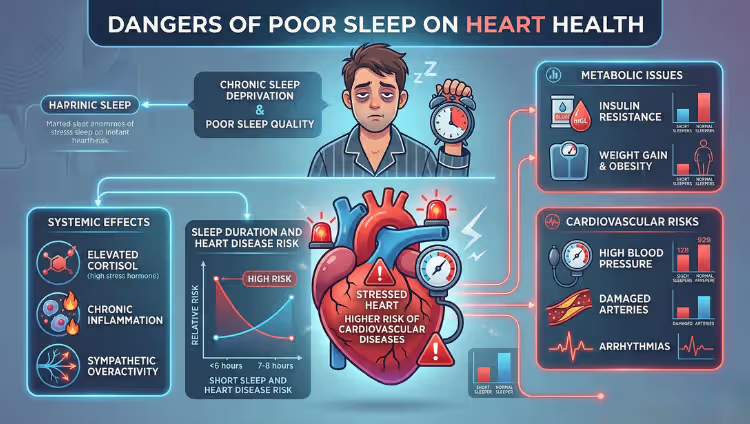
If you are a “short sleeper” (sleeping less than 6 hours), your blood pressure stays elevated for a longer period. Over years, this constant high pressure makes your arteries stiff and less elastic. This leads to hypertension, which is the leading cause of heart attacks and strokes. By getting 7–8 hours of sleep, you allow your blood pressure to reset.
2. Reducing Systemic Inflammation
Inflammation is the body’s way of fighting off infection. However, chronic inflammation—inflammation that never goes away—is a disaster for your heart. When you don’t sleep enough, your body produces higher levels of C-reactive protein (CRP). High CRP levels are a major warning sign for heart disease.
When we discuss how sleep affects heart health, we must mention that sleep helps regulate the immune system. Without rest, your body stays in a “state of emergency,” causing plaque to build up in your arteries. This plaque can eventually block blood flow, leading to a cardiac event.
3. Managing Stress Hormones
When you are tired, your brain senses a threat. It releases “stress hormones” like Cortisol and Adrenaline. These hormones are meant for “fight or flight” situations. If they are flowing through your blood every night because you aren’t sleeping, they force your heart to beat faster and harder than it should. This extra work wears out the heart muscle prematurely.
Comparison Table: Sleep Quality vs. Heart Risk
To visualize how sleep affects heart health, let’s look at this data-driven chart. It compares different sleep habits and their long-term impact on your cardiovascular system.
| Sleep Category | Hours of Sleep | Impact on the Heart | Risk Level |
| Severely Deprived | Under 5 Hours | High blood pressure, high cortisol, risk of irregular heartbeat (AFib). | Extreme Danger |
| Short Sleeper | 5 – 6 Hours | Increased arterial stiffness, higher “bad” cholesterol levels. | High Risk |
| The Healthy Zone | 7 – 9 Hours | Optimal “nocturnal dipping,” low inflammation, steady heart rate. | Healthy / Ideal |
| The Over-Sleeper | Over 9 Hours | May indicate underlying issues like depression or sleep apnea. | Cautionary |
Note: If you fall into the “Extreme Danger” or “High Risk” category, it is highly recommended to consult a specialist. Seeking guidance from the Best Cardiologist in Lucknow can help you assess your current heart health and prevent future complications.
Dangerous Sleep Disorders That Target Your Heart
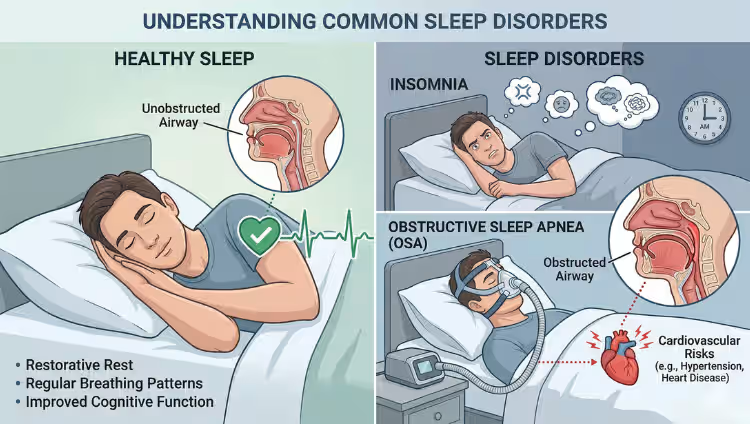
Sometimes, it isn’t just about the number of hours you spend in bed; it’s about the quality of that sleep. Two major sleep disorders have a direct, negative impact on your heart.1. Obstructive Sleep Apnea (OSA)
Sleep Apnea is a condition where your airway gets blocked while you sleep, causing you to stop breathing for short periods. This might happen dozens of times an hour.
Every time you stop breathing, your oxygen levels drop. Your brain panics and sends a jolt of adrenaline to wake you up so you can breathe. This “jolt” causes a massive spike in blood pressure.
-
Heart Consequences: People with untreated sleep apnea are at a much higher risk for heart failure, stroke, and Atrial Fibrillation (an irregular heartbeat).
-
The Sign: If you snore loudly or wake up gasping for air, your heart is under stress every single night.
2. Chronic Insomnia
Insomnia is the inability to fall or stay asleep. Chronic insomnia keeps your sympathetic nervous system “on” when it should be “off.” This prevents the heart from entering its recovery phase. Research shows that long-term insomniacs are significantly more likely to develop coronary artery disease.
The Triple Link: Sleep, Weight, and Heart Health
If you are trying to lose weight to help your heart, you must prioritize sleep. There is a deep biological link between how sleep affects heart health and your body’s metabolism.
When you are sleep-deprived, your body experiences two major hormonal shifts:
-
Ghrelin Increases: This is the “hunger hormone.” It makes you crave sugary, salty, and high-fat foods.
-
Leptin Decreases: This is the “fullness hormone.” It tells your brain you have had enough to eat.
When these hormones are out of balance, you overeat. This leads to Obesity, which is the biggest enemy of the heart. Excess body fat puts physical pressure on the heart and increases the risk of Type 2 Diabetes. As any expert like Dr Ajay Bahadur will tell you, diabetes and heart disease often go hand-in-hand. By fixing your sleep, you are actually helping your body regulate its weight and protect your heart.
Practical Tips to Improve Your Sleep and Protect Your Heart

Knowing how sleep affects heart health is the first step. The second step is taking action. Here are some simple, effective ways to improve your sleep hygiene:
A. Stick to a Schedule
Your heart loves rhythm. Try to go to bed and wake up at the same time every day—even on weekends. This trains your heart and brain to enter a rest state more efficiently.
B. Create a Dark, Cool Environment
A cool room helps lower your core body temperature, which signals to your heart that it’s time to slow down. Use dark curtains to block out city lights, especially in busy areas of Lucknow.
C. The “90-Minute Rule” for Electronics
The blue light from your phone or TV prevents the brain from releasing Melatonin (the sleep hormone). Stop using screens at least 90 minutes before bed. Instead, read a physical book or listen to calming music.
D. Watch Your Evening Intake
Caffeine stays in your system for up to 8 hours. If you have tea or coffee in the evening, your heart rate might stay elevated even while you sleep. Similarly, avoid heavy, spicy dinners that can cause indigestion and keep you awake.
Why You Should Consult Dr Ajay Bahadur in Lucknow
When it comes to the heart, you cannot afford to guess. If you have been struggling with poor sleep, high stress, or a family history of heart issues, you need professional guidance.
Dr Ajay Bahadur is widely regarded as the Best Cardiologist in Lucknow. His approach to heart health is unique because he looks at the whole person, not just the symptoms.
-
Advanced Diagnostics: Using the latest technology, he can identify if your sleep patterns are causing hidden damage to your heart.
-
Preventive Care: He focuses on preventing heart attacks before they happen by managing lifestyle factors like sleep, diet, and stress.
-
Expert Advice: As the Best Cardiologist in Lucknow, he provides personalized plans for patients suffering from hypertension, heart rhythm issues, and sleep-related heart stress.
If you are in Lucknow and feel that your heart isn’t getting the rest it needs, a consultation with Dr Ajay Bahadur could be a life-saving decision.
Frequently Asked Questions (FAQs)
1. How exactly does sleep affect heart health in the long run?
Over time, lack of sleep leads to chronic high blood pressure, increased inflammation, and higher levels of stress hormones. These factors combine to damage the arteries, making you much more likely to suffer a heart attack or stroke.
2. Can I make up for lost sleep on the weekends?
Unfortunately, no. While a weekend nap feels good, it does not “undo” the damage done to your arteries during a week of poor sleep. Consistency is key for heart health. You cannot “repay” a sleep debt when it comes to your cardiovascular system.
3. Is snoring always a sign of a heart problem?
Not always, but loud snoring combined with daytime sleepiness is a major red flag for Sleep Apnea. Because Sleep Apnea stops your breathing and spikes your blood pressure, it is a leading cause of heart failure. If you snore heavily, you should visit the Best Cardiologist in Lucknow – Dr Ajay Bahadur for a check-up.
4. How much sleep is “too much” for the heart?
Consistently sleeping more than 9 or 10 hours may be linked to heart issues, but usually, it is a symptom of another problem, such as poor sleep quality, anemia, or depression. If you are always tired despite sleeping a lot, it’s time to see a doctor.
5. Why is Dr Ajay Bahadur considered the Best Cardiologist in Lucknow?
Dr Ajay Bahadur is known for his deep expertise in clinical cardiology and his patient-first approach. He combines years of experience with a modern understanding of how lifestyle factors—like sleep and stress—impact the heart, making him the top choice for heart care in the city.
Conclusion: Your Heart Deserves a Rest
We live in a world that praises “the hustle” and staying up late. But your heart doesn’t care about your deadlines or your social media feed. It cares about recovery.
Understanding how sleep affects heart health is one of the most important lessons in modern medicine. By giving yourself the gift of 8 hours of quality sleep, you are lowering your blood pressure, cleaning out your arteries, and giving your heart the strength to keep pumping for decades.
If you are worried about your heart health, or if your sleep issues are leaving you exhausted and breathless, don’t wait for a crisis. Take a proactive step today. Schedule an appointment with Dr Ajay Bahadur, the Best Cardiologist in Lucknow, and give your heart the expert care it deserves.
Prioritize your sleep. Protect your heart. Live a longer, healthier life.