
Posted By Dr Ajay Bahadur | Cardiologist in Lucknow
Understanding how obesity impacts your heart health is the first step toward a longer, more vibrant life. In today’s fast-paced world, lifestyle changes have led to a significant rise in weight-related issues across India. For residents of Uttar Pradesh, finding expert guidance is crucial. When it comes to managing complex cardiac conditions, many look for the best cardiologist in Lucknow, and Dr. Ajay Bahadur stands at the forefront of this field with decades of experience.
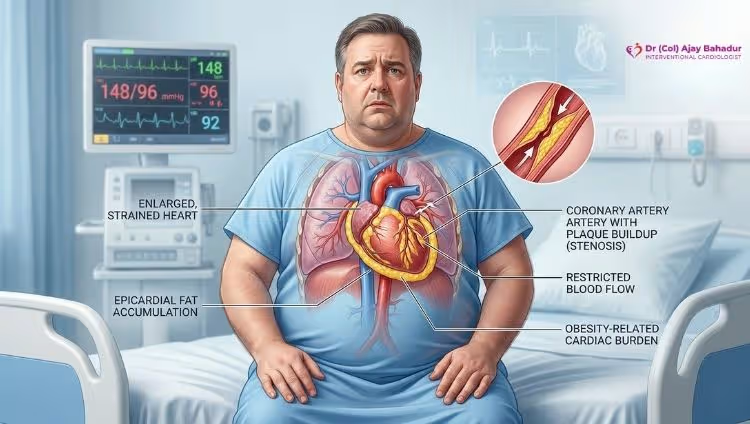
The link between excess body fat and cardiovascular disease is undeniable. How obesity impacts your heart health goes beyond just physical appearance; it involves a complex chain reaction of metabolic changes that can weaken the heart muscle, clog arteries, and lead to sudden cardiac events. Whether it is through increasing blood pressure or causing structural changes in the heart itself, obesity acts as a silent driver for most heart-related hospitalizations. By consulting with a specialist like Dr. Ajay Bahadur, patients can receive a personalized roadmap to mitigate these risks. This blog aims to simplify the science of how obesity impacts your heart health, providing you with actionable steps and expert insights to protect your most vital organ.
Understanding Obesity: More Than Just a Number
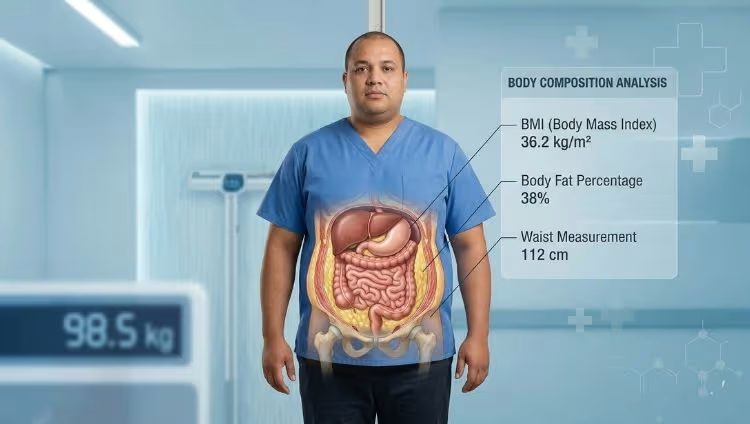
Obesity is defined as an abnormal or excessive accumulation of fat that poses a health risk. While many people focus on the weight shown on the scale, doctors often use the Body Mass Index (BMI) to categorize risk levels.
BMI Categories and Heart Risk
| BMI Range | Category | Heart Disease Risk Level |
| 18.5 – 24.9 | Normal Weight | Low |
| 25.0 – 29.9 | Overweight | Moderate |
| 30.0 – 34.9 | Obesity (Class I) | High |
| 35.0 – 39.9 | Obesity (Class II) | Very High |
| 40.0 or more | Severe/Morbid Obesity | Extremely High |
Note: While BMI is a helpful starting point, “central obesity” (fat around the waist) is often considered a more direct indicator of heart risk.
The Triple Threat: Blood Pressure, Cholesterol, and Diabetes
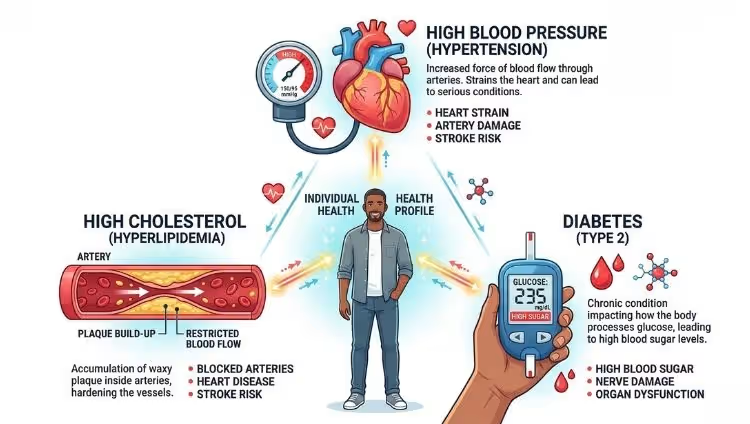
Obesity rarely acts alone. It triggers a “triple threat” of conditions that collectively damage the cardiovascular system.
High Blood Pressure (Hypertension)
When you carry excess weight, your heart has to pump harder to supply blood to your entire body. This increased effort puts constant pressure on the walls of your arteries. Over time, this pressure causes the arteries to become stiff and narrow, a condition known as atherosclerosis. According to Dr. Ajay Bahadur, nearly 75% of high blood pressure cases are directly linked to obesity.
Unhealthy Cholesterol Levels
Obesity often changes the chemistry of your blood. It typically leads to:
-
High LDL (Bad Cholesterol): These fats stick to your artery walls, creating blockages.
-
Low HDL (Good Cholesterol): This “cleaner” cholesterol is responsible for removing bad fats from your system; obesity lowers its levels.
-
High Triglycerides: Another type of fat in the blood that increases the risk of stroke and heart attack.
Type 2 Diabetes
Excess body fat, especially visceral fat (the fat around your organs), makes your body resistant to insulin. This leads to high blood sugar levels. High sugar in the blood acts like “sand in a machine,” slowly grinding away at the lining of your blood vessels and damaging the nerves that control your heart.
How Obesity Physically Changes Your Heart
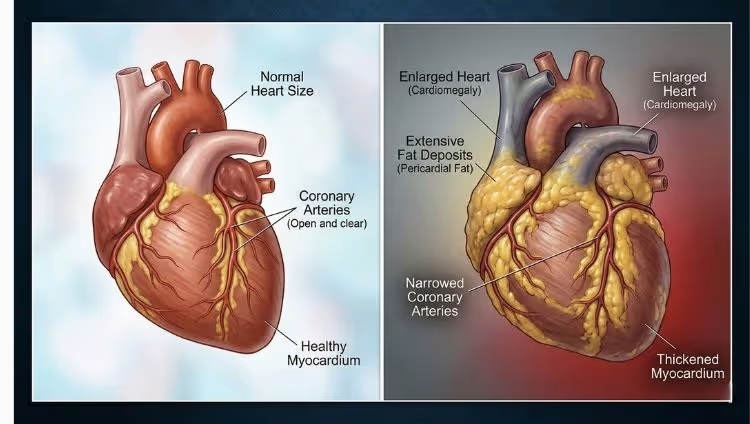
One of the most dangerous aspects of obesity is that it can physically change the structure of the heart. This is often referred to as “Obesity Cardiomyopathy.”
-
Heart Enlargement: Because an obese body requires more blood, the heart must expand to hold and pump more volume. This stretching can make the heart muscle thick and stiff.
-
Weakened Pumping: As the heart gets larger and thicker (hypertrophy), it eventually loses its ability to pump efficiently. This lead to tiredness, shortness of breath, and eventually, heart failure.
-
Fatty Deposits Around the Heart: In severe cases, fat can actually grow around the heart (epicardial fat), secreting inflammatory chemicals directly into the heart muscle.
Major Heart Conditions Linked to Obesity
If you are struggling with weight, it is important to be aware of the specific conditions you are at risk for.Consulting the best cardiologist in Lucknow can help you screen for these early.
-
Coronary Artery Disease (CAD): This happens when the “pipes” (arteries) supplying your heart get clogged with fat.This is the leading cause of heart attacks.
-
Heart Failure: Not to be confused with a heart attack, heart failure means the heart is too weak or stiff to pump enough blood for the body’s needs.
-
Atrial Fibrillation (AFib): This is an irregular, often rapid heart rhythm. Obesity puts pressure on the upper chambers of the heart, causing them to “misfire” and beat irregularly, which can lead to blood clots and strokes.
-
Sudden Cardiac Arrest: The structural changes caused by obesity can sometimes lead to sudden, fatal disruptions in the heart’s electrical system.
The “Inflammation Connection”
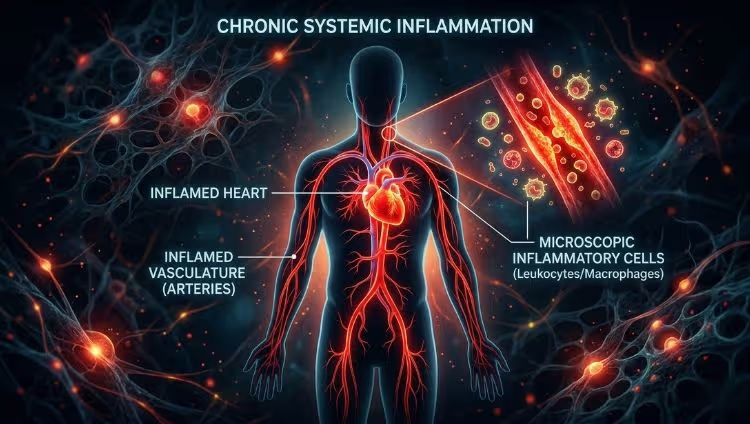
Recent research has shown that fat is not just “stored energy.” It is actually an active organ that produces hormones and chemicals. In an obese body, fat cells produce high levels of inflammatory markers. This “chronic low-grade inflammation” keeps your blood vessels in a constant state of irritation, making them much more likely to develop plaques and clots.
Taking Control: Steps to a Healthier Heart
The good news is that heart damage from obesity is often reversible or manageable if caught early. Here are the strategies recommended by Dr. Ajay Bahadur for his patients:
A. The Power of Small Weight Loss
You don’t need to reach your “perfect” weight overnight. Research shows that losing just 5% to 10% of your body weight can significantly:
-
Lower your blood pressure.
-
Improve your cholesterol profile.
-
Reduce your risk of developing diabetes.
B. Heart-Healthy Nutrition
Focus on a diet that reduces inflammation and supports vessel health:
-
The DASH Diet: Specifically designed to lower blood pressure.
-
The Mediterranean Diet: Rich in healthy fats (olive oil, nuts) and lean proteins (fish).
-
Reduce Sodium: Lowering salt intake helps your heart not have to pump so hard against high pressure.
C. Consistent Movement
You don’t need to run a marathon. Aim for 150 minutes of moderate activity per week. This can be as simple as a 30-minute brisk walk five days a week. Exercise helps the heart become a more efficient pump, even if the weight on the scale doesn’t change immediately.
D. Quality Sleep
Obesity is a major cause of Sleep Apnea (stopped breathing during sleep). This condition starves the heart of oxygen and causes massive spikes in blood pressure at night. Treating sleep issues is a vital part of heart care
Chart: The Heart-Weight Action Plan
| Action Item | Goal | Impact on Heart |
| Weight Loss | Lose 5-10% of total weight | Reduces strain and lowers BP |
| Daily Exercise | 30 mins of brisk walking | Strengthens the heart muscle |
| Dietary Change | Increase fiber/Reduce salt | Cleans arteries and lowers pressure |
| Check-ups | Every 6 months | Early detection of issues |
7. Why You Need a Specialist
Managing obesity-related heart issues requires more than just a diet plan. It requires a detailed medical evaluation of your heart’s current state. Dr. Ajay Bahadur provides comprehensive cardiac screenings, including:
-
Echocardiography: To check the structure and pumping power of your heart.
-
Stress Testing: To see how your heart handles physical activity.
-
Lipid Profiling: To manage your cholesterol levels with precision.
Frequently Asked Questions (FAQs)
How exactly does obesity impact your heart health daily?
A: Daily, obesity forces your heart to beat faster and work harder to move blood through a larger body mass. This leads to early fatigue and puts constant wear and tear on your heart valves and chambers.
Can I be “Skinny Fat” and still have heart risks?
A: Yes. Even if your BMI is normal, having “central obesity” (fat around the belly) poses a high risk. This visceral fat is metabolically active and can damage your heart just as much as general obesity.
Does weight loss immediately improve heart function?
A: Almost immediately! Within weeks of starting a weight loss journey, blood pressure often drops, and the heart’s resting rate slows down, indicating less stress on the organ.
Is heart palpitations common in obese individuals?
A: Yes. Obesity can lead to Atrial Fibrillation (AFib), which feels like a fluttering or racing heart. If you feel this, you should visit the best cardiologist in Lucknow for an ECG.
How does salt intake worsen the impact of obesity on the heart?
A: Extra weight already strains the heart; salt causes the body to hold onto water, increasing blood volume and raising blood pressure even further. It’s a “double hit” to your arteries.
Can children affected by obesity develop heart problems early?
A: Unfortunately, yes. Childhood obesity can lead to the early thickening of heart walls and the beginning of plaque buildup in the teens, which may lead to early-onset heart disease in the 30s.
Why is it harder for obese people to breathe during exercise?
A: Beyond just the physical weight, obesity can cause “Pickwickian syndrome” or sleep apnea, which lowers oxygen levels in the blood, making the heart and lungs work overtime during any activity.
Conclusion
Obesity is a challenging journey, but it doesn’t have to end in heart disease. The relationship between your weight and your heart is dynamic—as you take steps to reduce your weight, your heart begins to heal almost immediately.
By understanding the risks, monitoring your health indicators, and seeking guidance from experts like Dr. Ajay Bahadur, you can take control of your cardiovascular future. Remember, every pound lost is a gift of “extra time” to your heart. Don’t wait for a crisis to start your health journey. Reach out to the Cardiologist today and give your heart the care it deserves.