
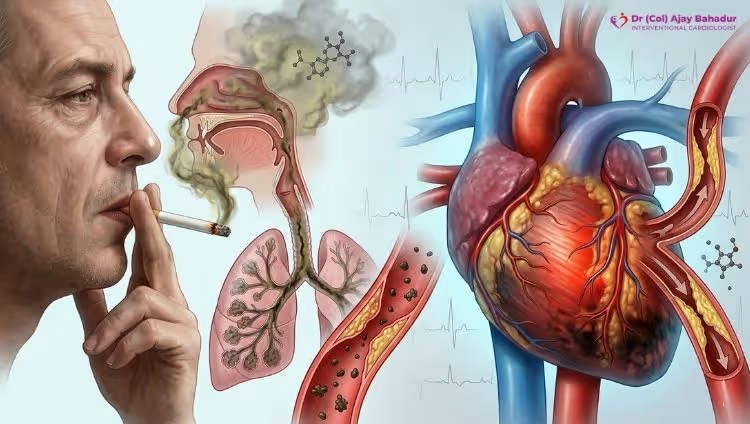
When we think about smoking, the first thing that usually comes to mind is lung cancer or a persistent, nasty cough. While those are very real dangers, there is a much more “silent” and immediate threat that many people overlook: heart disease. Your heart is the engine of your body, and smoking is like putting sand in that engine—it grinds things down until the whole system fails.
Many people living in Uttar Pradesh are becoming increasingly aware of these risks. For those already experiencing chest pain or breathing issues, consulting the Best Heart doctor in Lucknow is often the first step toward understanding how tobacco has impacted their cardiovascular system.
In this guide, we will explore exactly how smoking damages your heart, the specific medical problems it causes, and the incredible things that happen to your body the moment you decide to quit.
1. The Chemicals in a Cigarette: What Hits Your Heart?
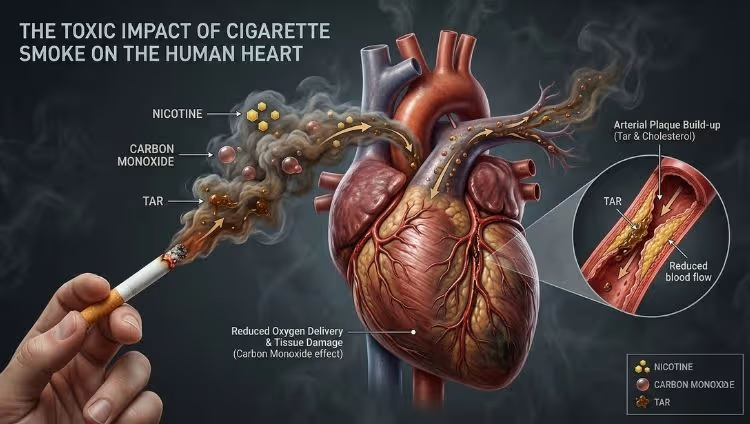
A single cigarette contains over 7,000 chemicals. When you inhale, these chemicals enter your bloodstream and reach your heart in seconds.
Chart 1: Toxic Chemicals and Their Impact on the Heart
| Chemical | Common Use | Effect on Your Heart |
| Nicotine | Insecticide | Increases heart rate and raises blood pressure. |
| Carbon Monoxide | Car exhaust | Displaces oxygen in the blood, starving the heart. |
| Arsenic | Rat poison | Damages the lining of blood vessels. |
| Formaldehyde | Embalming fluid | Causes inflammation and cellular stress. |
| Tar | Paving roads | Makes blood “sticky” and prone to clotting. |
| Cadmium | Battery acid | Damages the kidneys, which raises blood pressure. |
2. The Biological Impact: Why Smoke Kills the Heart
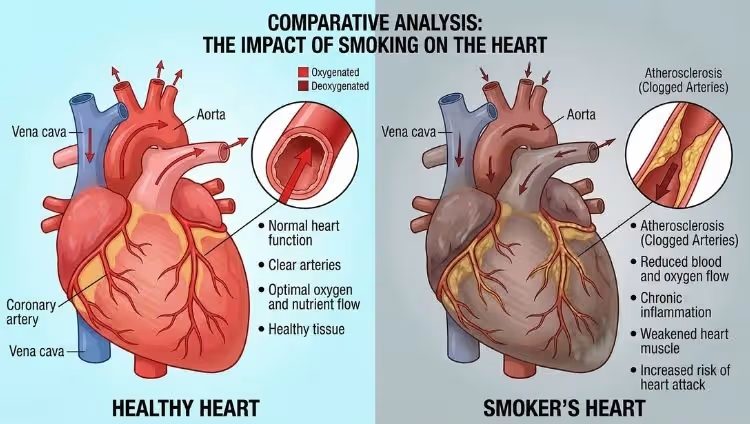
To understand why smoking is so dangerous, we need to look at the three main ways it attacks your cardiovascular system.
The Role of Nicotine
Nicotine is the addictive substance that keeps you coming back for more, but it also acts as a powerful stimulant. When you inhale nicotine, your adrenal glands release adrenaline. This causes your heart to beat faster and your blood vessels to constrict (narrow). This is like trying to pump a gallon of water through a straw—the pressure builds up, and the pump (your heart) has to work twice as hard.
The Oxygen Thief (Carbon Monoxide)
Carbon monoxide is a poisonous gas. In your blood, red blood cells have “seats” for oxygen. Carbon monoxide is a bully—it kicks the oxygen out and takes its place. Because your blood is carrying less oxygen, your heart has to pump even faster to make sure your brain and muscles don’t shut down.
The “Sticky Blood” Problem
Smoking changes the chemistry of your blood. It makes your blood cells (platelets) clump together more easily. Think of your blood like a smooth-running river. Smoking turns that river into a thick, muddy swamp. This “thick blood” is much more likely to form a clot, which is the primary cause of heart attacks and strokes.
3. Comparing the Risks: Smokers vs. Non-Smokers
If you are a smoker, your heart is under constant siege. The statistics show a clear gap in health between people who smoke and those who do not.
Chart 2: Health Risk Comparison Table
| Health Metric | Non-Smoker | Smoker (1 Pack/Day) |
| Heart Attack Risk | Baseline | 2x to 4x Higher |
| Stroke Risk | Baseline | 2x Higher |
| Blood Pressure | Usually Normal | Frequently High |
| HDL (Good Cholesterol) | Normal/High | Significantly Lower |
| Arterial Plaque Build-up | Slow/Natural | Accelerated/Severe |
| Sudden Cardiac Death | Low Risk | 3x Higher Risk |
4. Major Heart Conditions Caused by Smoking
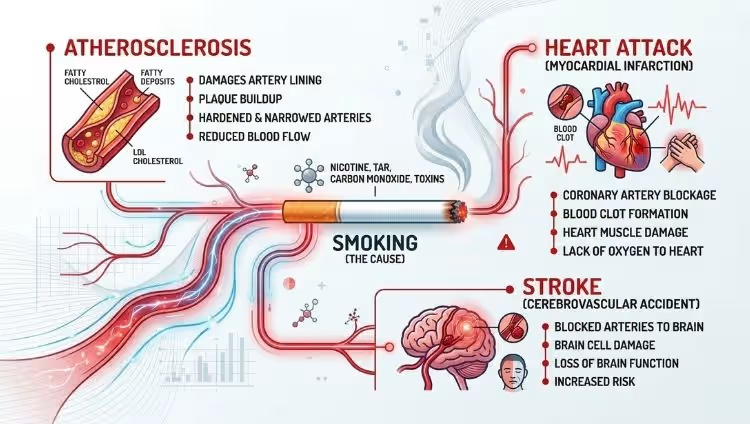
Smoking doesn’t just “harm” the heart; it causes specific, life-threatening conditions that change your life forever.
Coronary Artery Disease (CAD)
This is the most common type of heart disease. It happens when the arteries that supply blood to the heart muscle itself become clogged with plaque. Because smokers have higher levels of “bad” cholesterol (LDL) and lower levels of “good” cholesterol (HDL), they develop CAD much faster.
Heart Attack (Myocardial Infarction)
A heart attack occurs when the blood flow to a part of the heart is completely blocked. This usually happens because a piece of plaque ruptures and forms a blood clot. If that clot blocks a narrowed artery in the heart, the muscle begins to die from lack of oxygen. For smokers, heart attacks are often more severe and occur at a much younger age.
Stroke
A stroke is essentially a “brain attack.” It happens when the blood supply to part of your brain is cut off. Smoking doubles your risk of stroke by damaging the arteries leading to the brain and increasing the chance of clots forming.
Peripheral Artery Disease (PAD)
While we focus on the heart, smoking also affects the blood vessels in your arms and legs. In PAD, the blood flow to the limbs is restricted, leading to pain, numbness, and in severe cases, gangrene or amputation. Smokers represent about 80% of all PAD cases.
Abdominal Aortic Aneurysm (AAA)
The aorta is the main “highway” artery that carries blood from your heart to the rest of your body. Smoking weakens the walls of this artery. Over time, the wall can bulge like a balloon (an aneurysm). If it bursts, it causes massive internal bleeding, which is usually fatal. Smokers are 8 times more likely to suffer from an AAA.
5. The “Silent” Danger: Secondhand Smoke
You don’t have to be the one holding the cigarette to be at risk. Secondhand smoke (the smoke exhaled by a smoker or the smoke from the end of a lit cigarette) is a major cause of heart disease in non-smokers.
-
Immediate Damage: Breathing secondhand smoke can cause an immediate negative effect on the heart and blood vessels. It makes the blood stickier and damages the lining of the blood vessels just as active smoking does.
-
Death Toll: Each year, over 30,000 non-smokers die from heart disease caused by exposure to secondhand smoke.
-
Risk to Children: Children exposed to smoke are more likely to have high cholesterol and heart issues later in life.
6. Vaping and E-Cigarettes: Are They Safer?
Many people switch to vaping, thinking it’s a “heart-healthy” alternative. While e-cigarettes generally contain fewer chemicals than traditional cigarettes, they are not harmless.
Recent research suggests that vaping still introduces nicotine and other toxins that increase heart rate and blood pressure. Furthermore, “dual use” (using both vapes and traditional cigarettes) is the most dangerous behavior of all, significantly increasing the risk of a heart attack compared to using either one alone.
7. The Miracle of Quitting: Your Body’s Healing Timeline
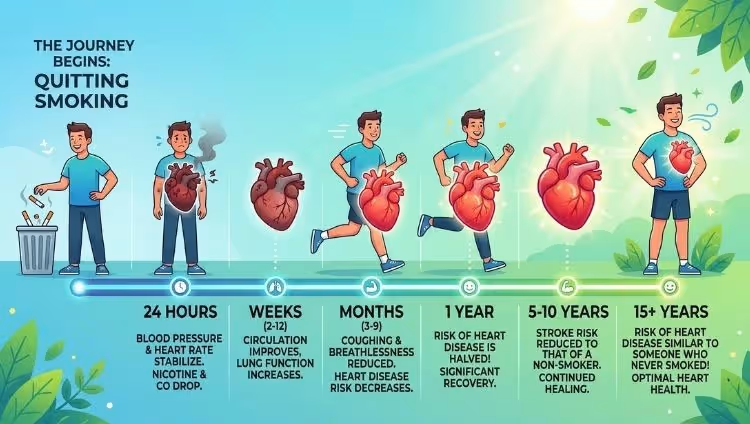
The most amazing thing about the human body is its ability to heal. The moment you stop smoking, your heart starts a “repair mission.”
Chart 3: The Quitting Timeline – What Happens to Your Heart?
| Time Since Last Cigarette | Health Benefit Gained |
| 20 Minutes | Heart rate and blood pressure drop to normal. |
| 12 Hours | Carbon monoxide levels in blood return to normal. |
| 24 Hours | Risk of heart attack begins to decrease. |
| 2 Weeks to 3 Months | Circulation improves; lung function increases. |
| 1 Year | Added risk of coronary heart disease is cut by 50%. |
| 5 Years | Risk of stroke is reduced to that of a non-smoker. |
| 15 Years | Risk of heart disease is the same as a lifelong non-smoker. |
8. Financial and Social Benefits of Quitting
While heart health is the primary goal, quitting smoking improves your life in many other ways:
-
Saving Money: If you smoke one pack a day at an average cost of
8.00,youarespending∗∗2,920 per year**. Over 10 years, that is nearly $30,000—enough for a new car or a house down payment.
-
Better Physical Performance: Without the strain on your heart, you will notice you aren’t “out of breath” as easily. You can play with your children, walk the dog, or climb stairs without gasping for air.
-
Improved Appearance: Your skin will look younger, your teeth will stay whiter, and the “smoker’s smell” will vanish from your clothes and home.
-
Protecting Loved Ones: By quitting, you remove the risk of secondhand smoke for your family and friends.
9. Practical Tips to Quit for Good
Quitting is hard because nicotine is as addictive as some illegal drugs. However, you don’t have to do it alone.
The “START” Method
-
S = Set a date. Choose a day within the next two weeks to quit.
-
T = Tell family and friends. Support is vital. Ask them not to smoke around you.
-
A = Anticipate challenges. Think about your triggers (coffee, stress, alcohol) and plan how you will handle them without a cigarette.
-
R = Remove tobacco products. Clean your car, wash your jackets, and throw away your lighters.
-
T = Talk to your doctor. Professional help can triple your chances of success.
Nicotine Replacement and Medication
-
Patches and Gum: These provide small doses of nicotine without the toxic smoke, helping you slowly wean off the addiction.
-
Prescription Meds: Drugs like Chantix or Zyban can reduce cravings and make smoking feel less “rewarding” to your brain.
10. Conclusion: Your Heart Deserves Better
Smoking is a “slow-motion” attack on your heart. It narrows your arteries, thickens your blood, and starves your muscles of oxygen. It is the leading cause of preventable death, yet many of the risks can be reversed if you take action now.
The recovery timeline shows that your body is ready to forgive and heal. Whether you are 20 or 70, your heart will benefit from a smoke-free environment. If you are worried about the damage already done, it is best to seek professional advice. For expert cardiac guidance and personalized care, you can consult the Best Heart doctor in Lucknow – Dr ajay bahadur, who can help you assess your heart health and create a plan for a healthier, smoke-free future.
Frequently Asked Questions (FAQs)
1. Does smoking just one or two cigarettes a day still hurt my heart?
Yes. Research shows that there is no “safe” level of smoking for heart health. Even people who smoke only one cigarette a day have a much higher risk of heart disease and stroke than non-smokers. The heart is very sensitive to the chemicals in tobacco.
2. If I have smoked for 30 years, is it even worth quitting now?
Absolutely. Your heart starts to benefit within 20 minutes of your last cigarette. Even if you have been smoking for decades, quitting significantly reduces your risk of a heart attack and can add years to your life. The damage begins to reverse immediately.
3. Why does smoking cause cold hands and feet?
Smoking causes your blood vessels to constrict (narrow), which reduces blood flow to your extremities. When your fingers and toes don’t get enough warm blood, they feel cold and may even turn blue. This is a sign that your circulation is being affected.
4. Can my heart damage from smoking be reversed?
Much of it can! While some scarring or advanced atherosclerosis (hardening of the arteries) might remain, the risk of a heart attack and stroke drops significantly and quickly once you quit. Over 15 years, your risk level can return to that of someone who never smoked.
5. Is secondhand smoke really as dangerous as people say?
Yes. Secondhand smoke contains the same 7,000 toxic chemicals that the smoker inhales. It can cause immediate damage to your blood vessels and is responsible for thousands of heart-disease-related deaths in non-smokers every year. It is especially dangerous for children and the elderly.